Earth to Sky

Doshi Levien

2019

Lighting

Description

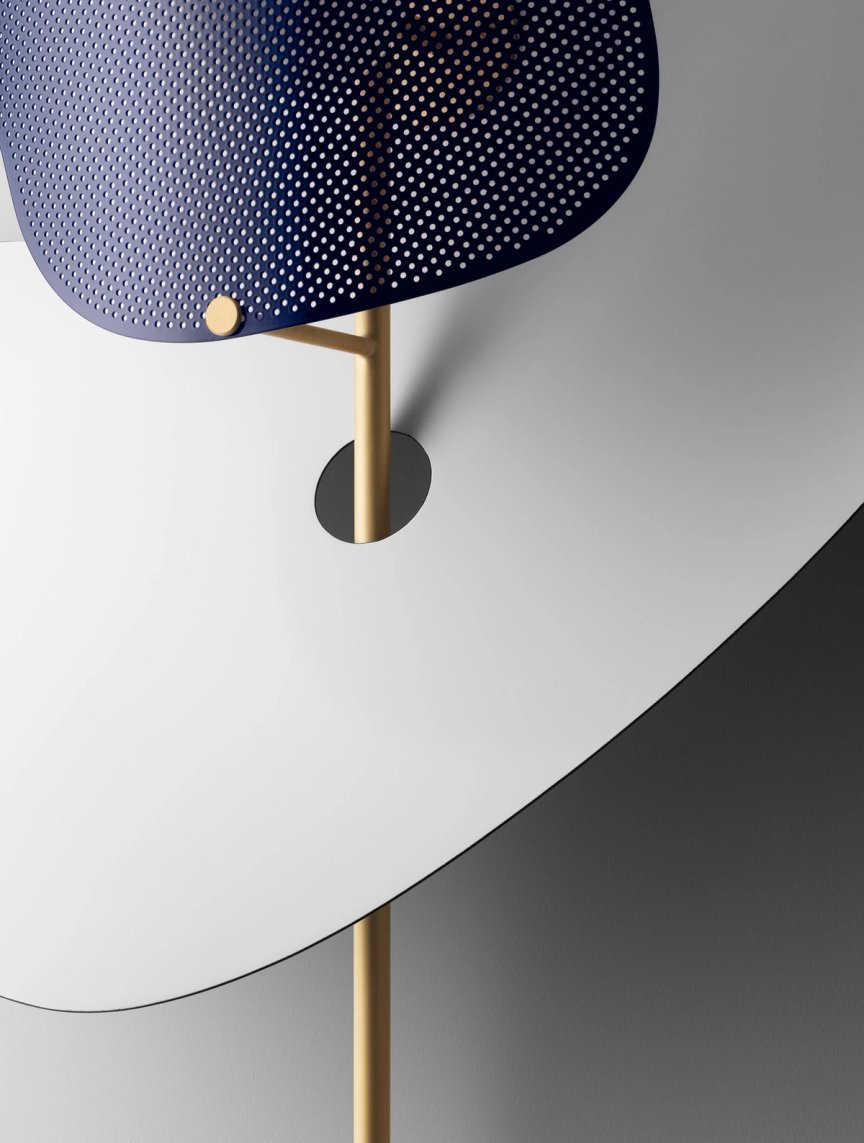
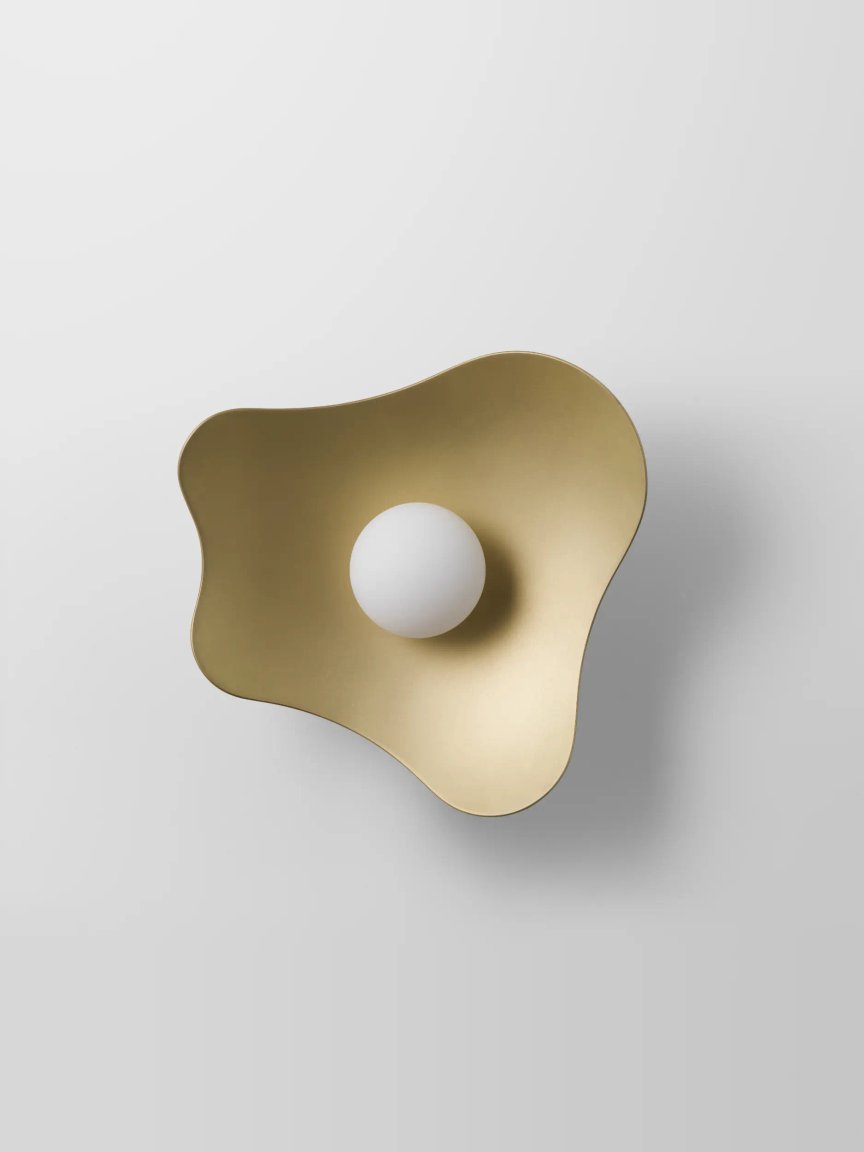
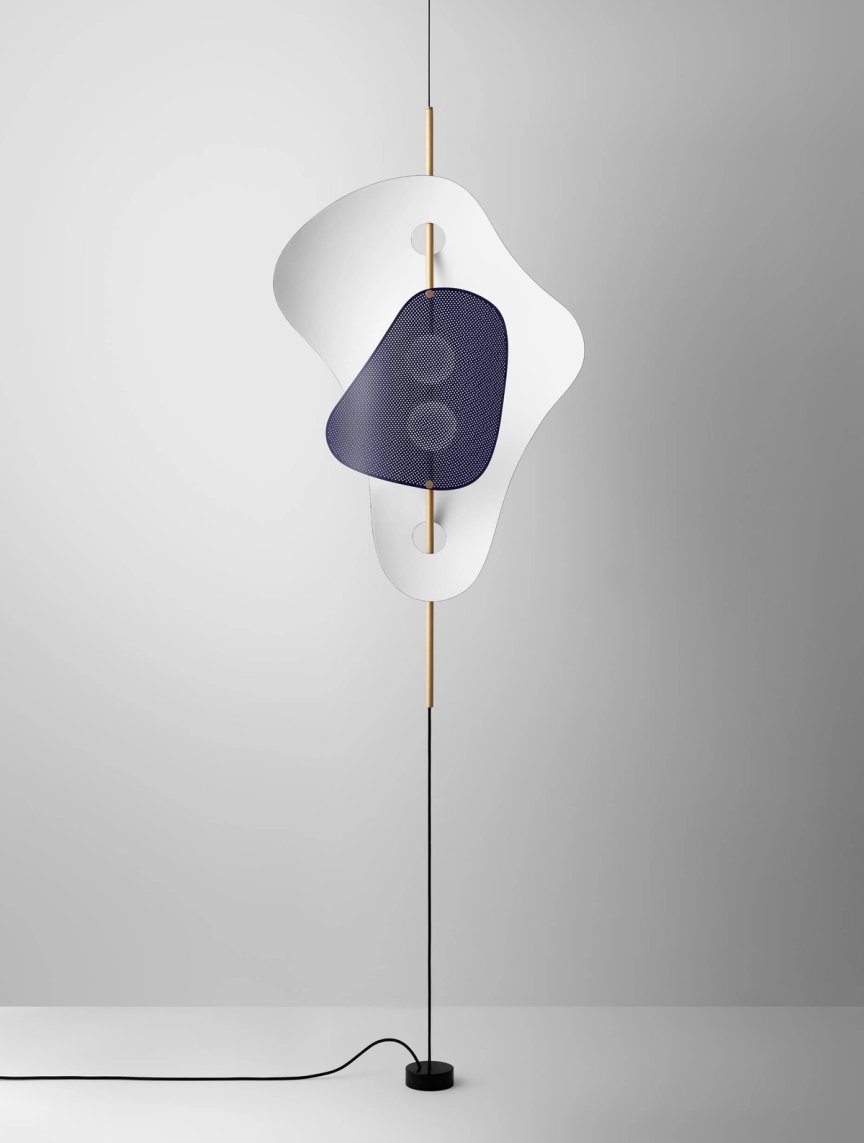
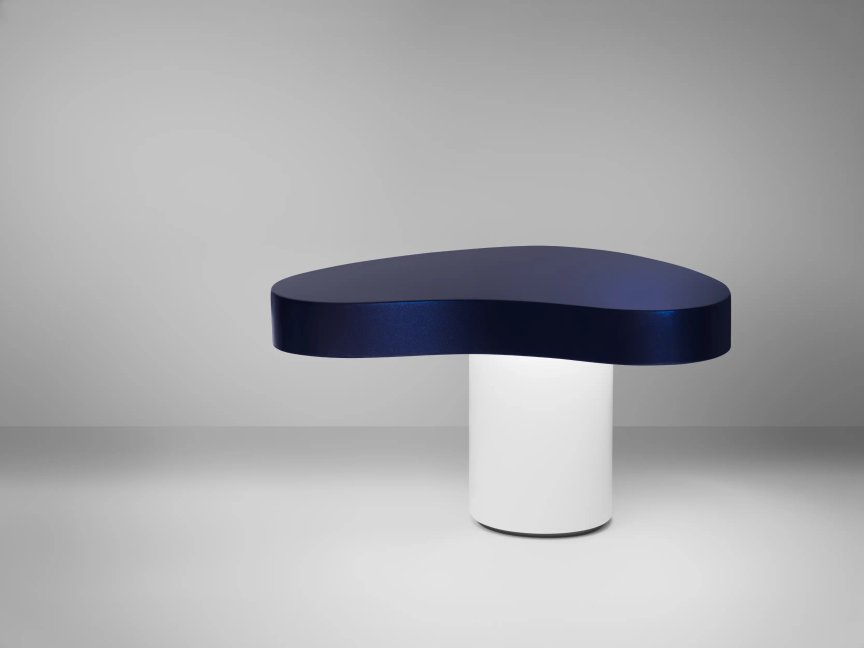
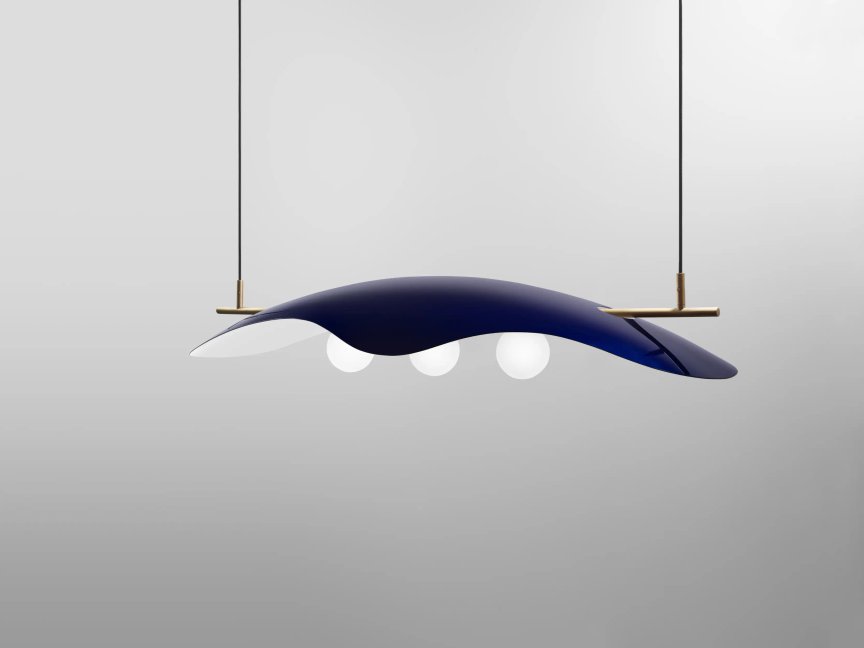
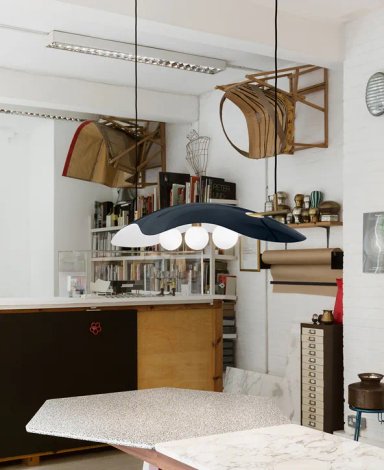
Earth to Sky is Doshi Levien’s first self-produced collection – a series of lighting designs that represent a step forward for the studio, combining beauty, levity, honesty, soulfulness and skilled craftsmanship to create luminous sculptural forms.

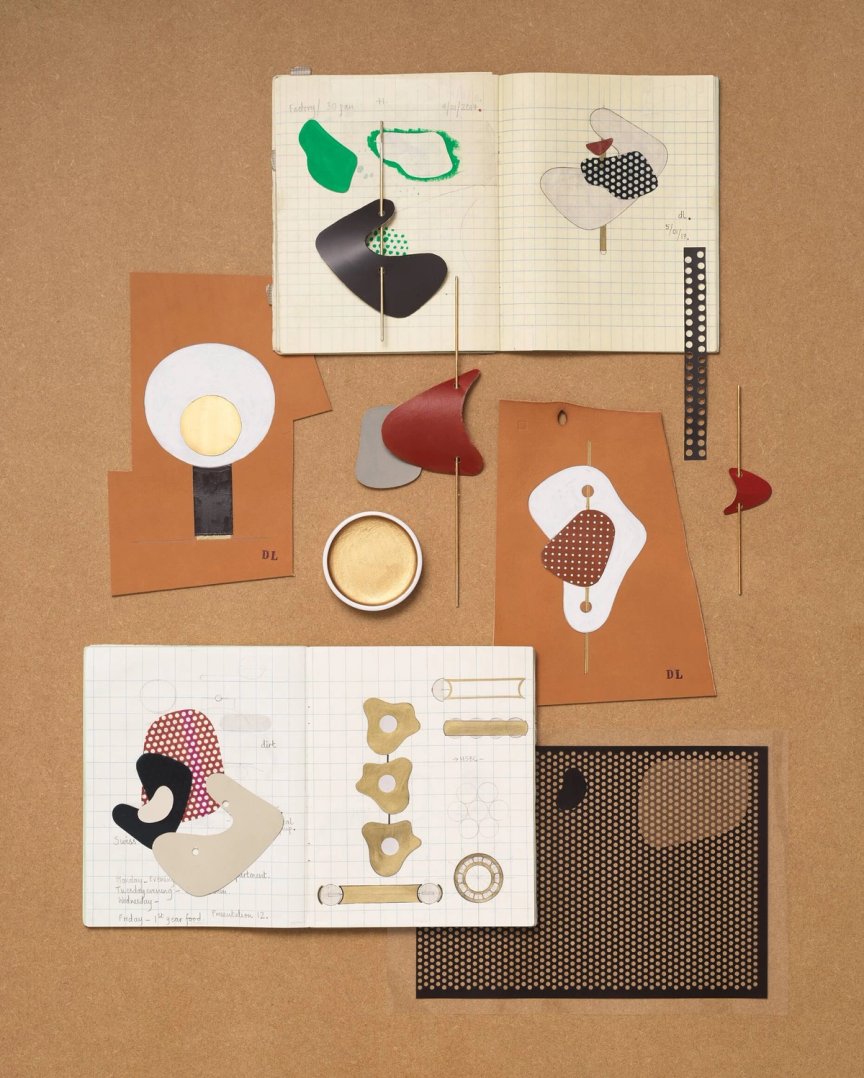
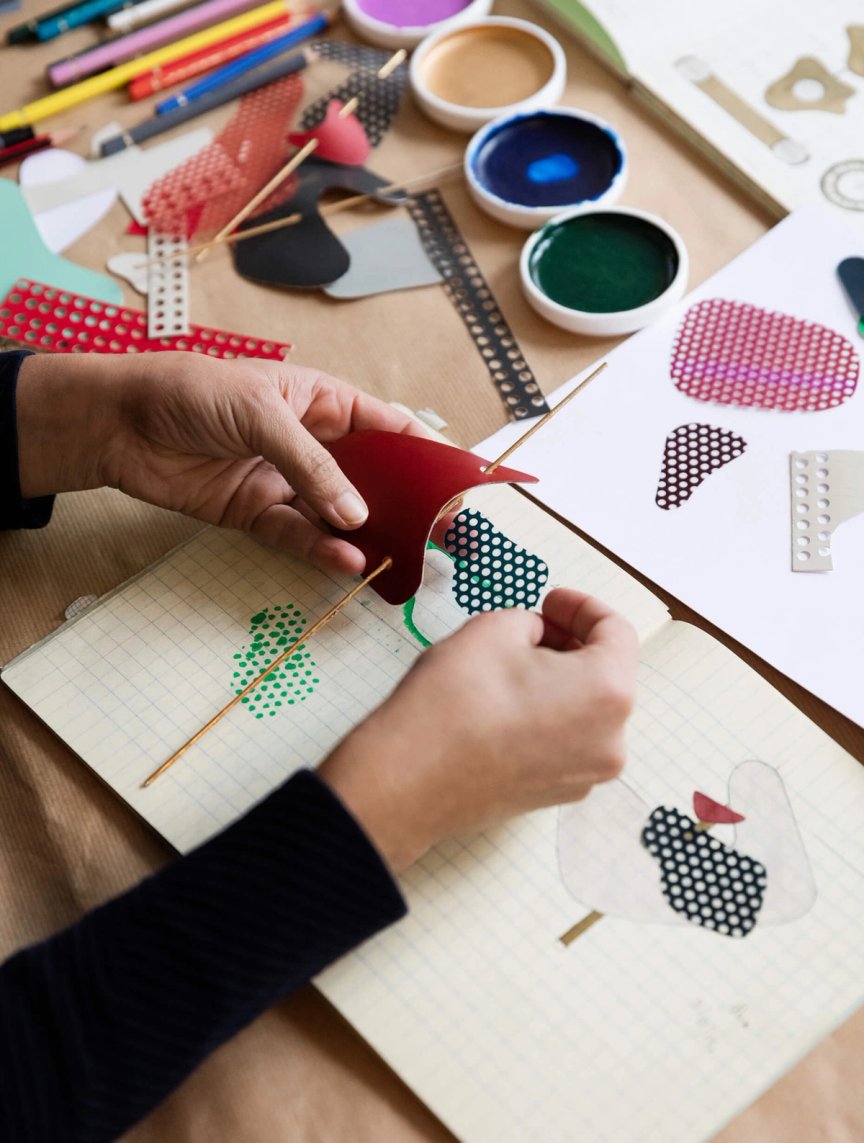
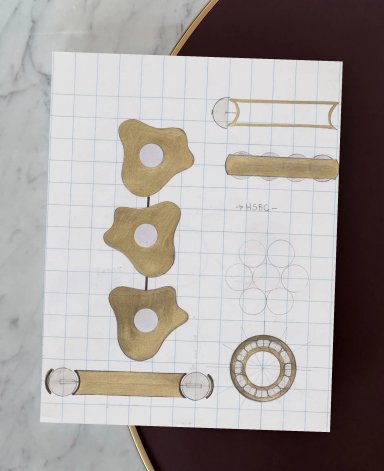
The seven objects in the collection were developed through a deign process that prized synchronicity, intuition and fortuitous encounters. Early free-form drawings of amorphous shapes were combined with moments of strict, incisive geometry. By piercing paper maquettes with a hole punch, before threading them with a thin metal rod, linearity was introduced into an otherwise organic design, transforming the early composition into a structural form.

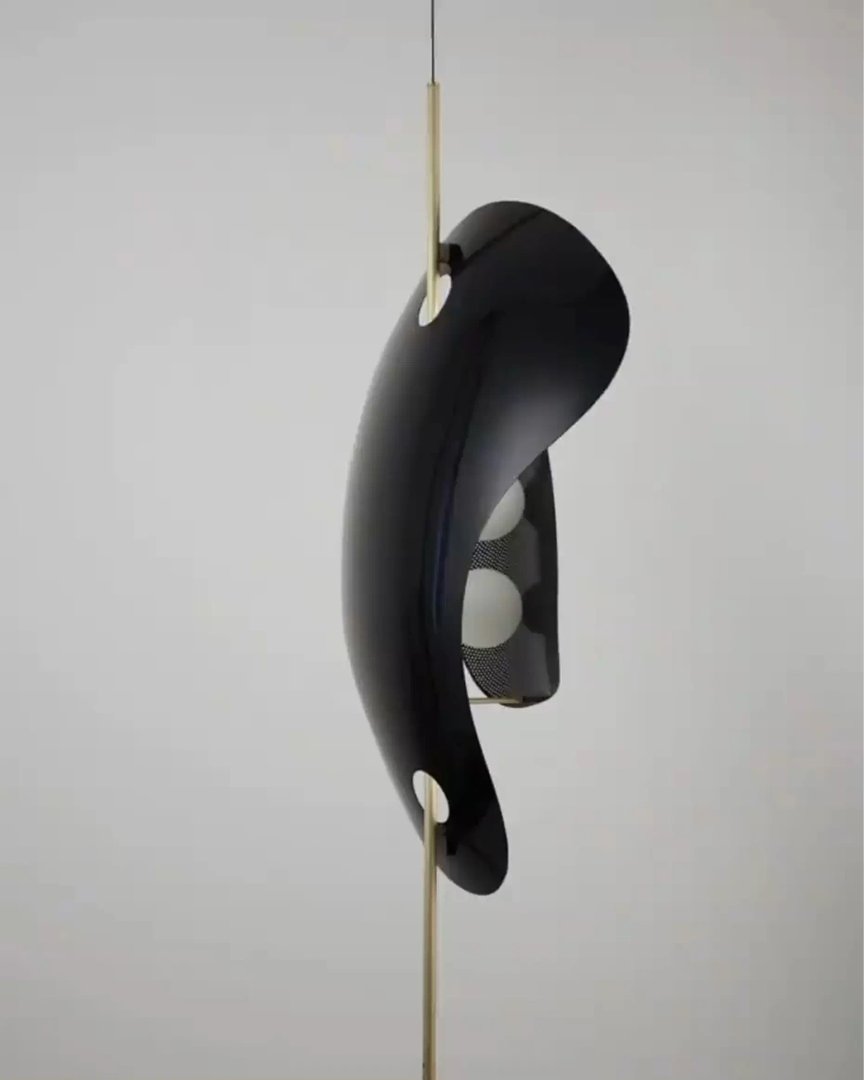
The finished lamps are created by master craftspeople capable of working automotive-grade aluminium through metal-shaping, rolling, welding and pattern-cutting techniques, bringing together space, light and form in a single gesture. In this sense, the collection’s lights embody its titular idea of “Earth to Sky”: earth through hand craftsmanship, the hammer on metal, and the weight of the materials; sky through the aerial, ethereal quality of the forms, like precious creatures suspended in the air.
Credits
Art Direction: Doshi Levien
 Photos: Jonas Lindström
 Words: Yves Mirande

Earth to Sky
Craftsmanship and making
(Fig 1)

Craftsmanship and making

The objects were formed through the art of metal-shaping, using the simple rolling machines typically used for restoring the bodies of classic Jaguar cars, such as the E-Type and XK1. Each sculptural shade began with pattern cutting and forming, as in the creation of structural garments.
The soul of craft
(Fig 2)

The soul of craft

“I was thinking about what attracts me to fine craftsmanship. I realise it’s the idea that something has been made to the best of human ability within the limitations of materials and processes – how beautifully made details, revealing the work of a skilled hand, become a powerful expression of human endeavour.” —Jonathan Levien
(Fig 3)

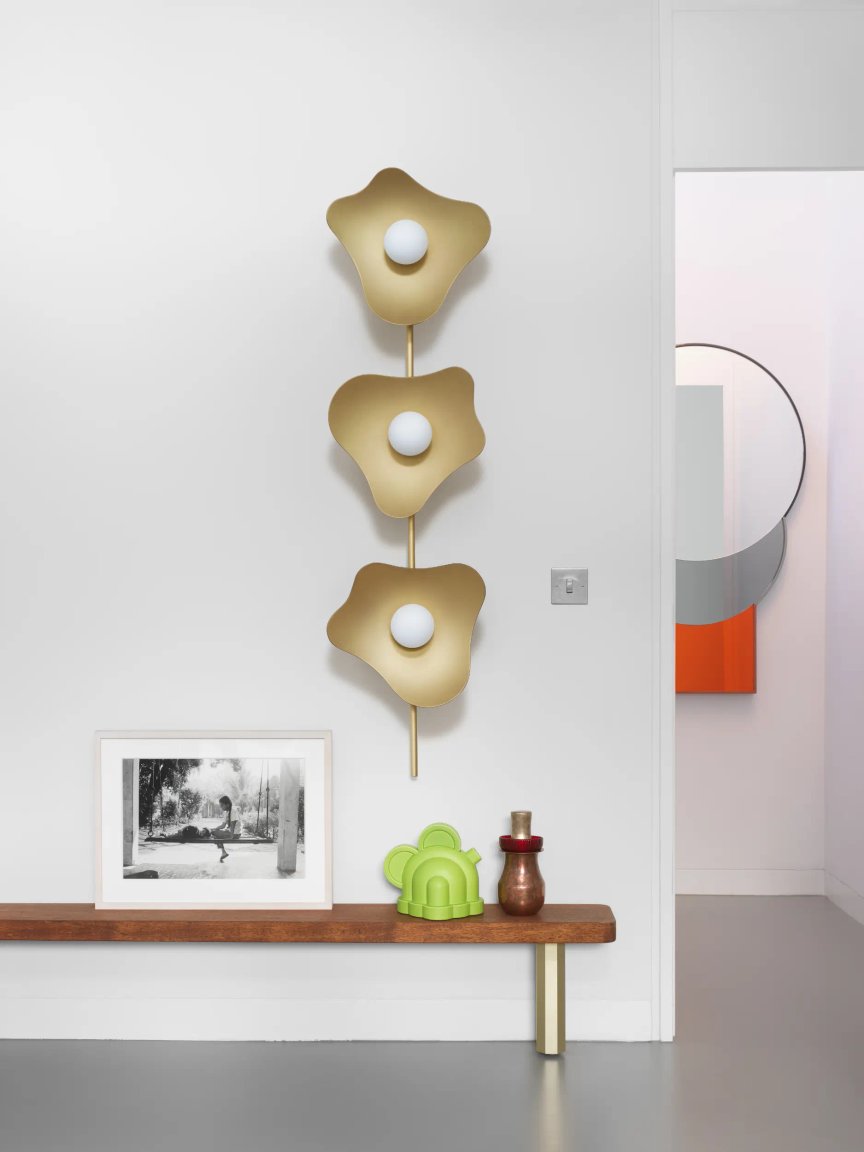
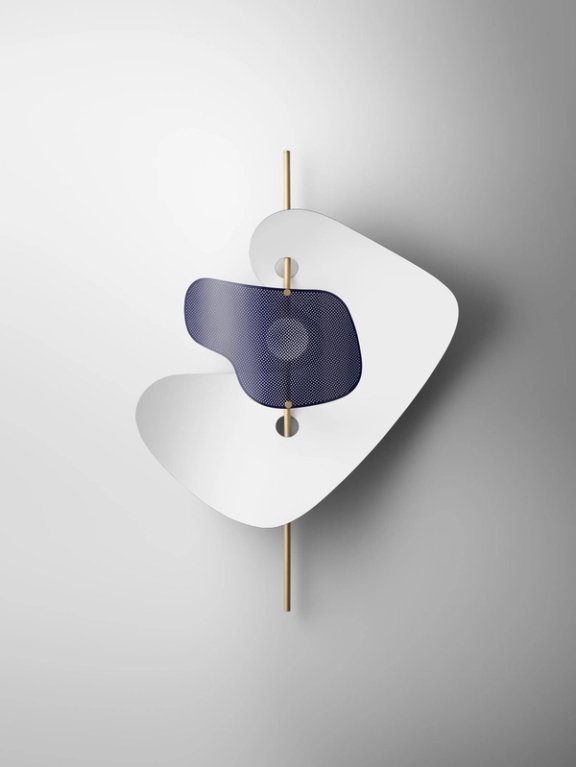
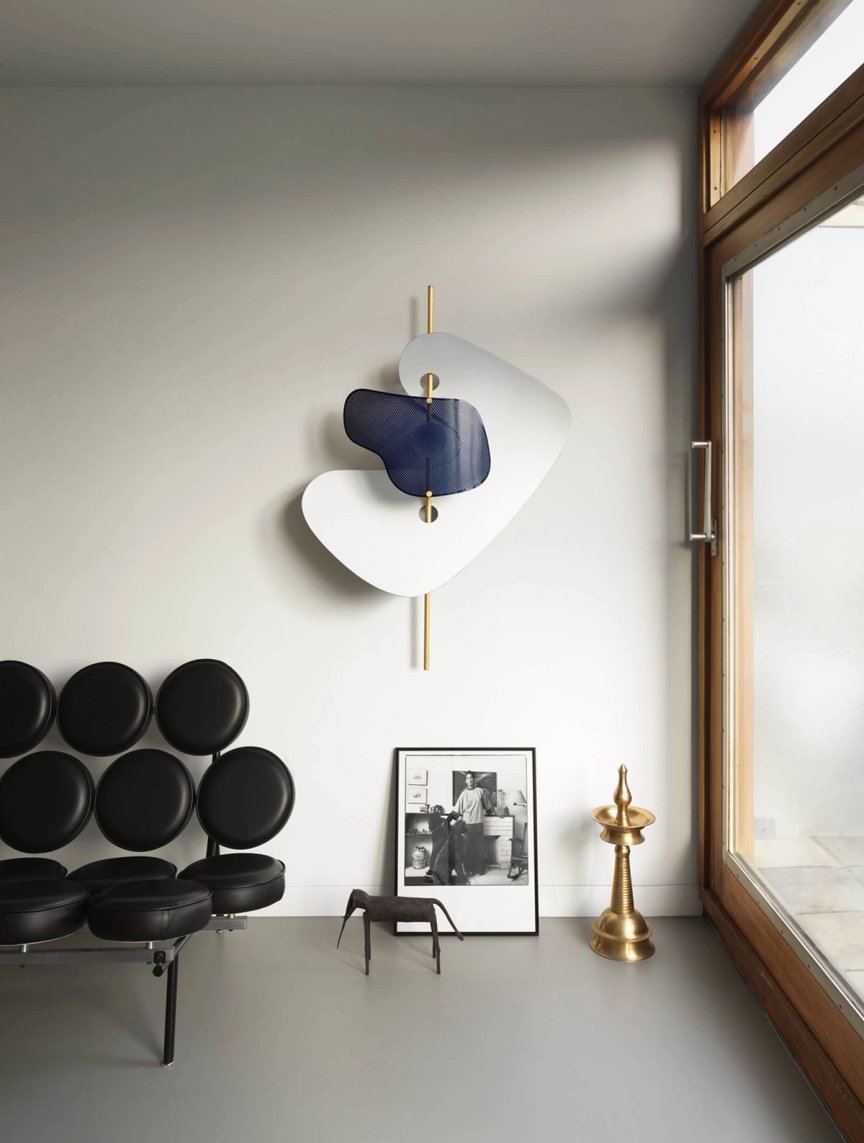
Triple wall lamp

The Earth to Sky wall lamp by Doshi Levien brings sculptural elegance to Nipa Doshi and Jonathan Levien’s Barbican home – its layered, organic forms float like a constellation, casting light that feels both intimate and atmospheric.
THE MAKING OF EARTH TO SKY
(Fig 4)

THE MAKING OF EARTH TO SKY

A short film tracing the metalwork process sees Bruce Maccleod cut automotive-grade aluminium, heating and shaping the components, then rolling them into refined forms before welding them into the lamp reflectors.
Design process
(Fig 5)

Design process

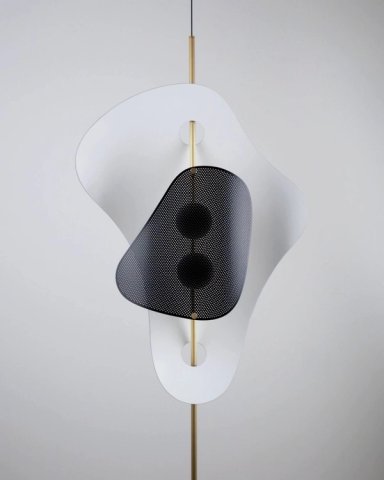
The first models to explore the idea of pierced amorphous forms with the striking geometry of a single line. This composition photographed by Jonas Lindström includes Nipa Doshi’s paintings on leather and her exercise book drawings.
EARTH TO SKY WITH MARBLE BASE
(Fig 6)

EARTH TO SKY WITH MARBLE BASE

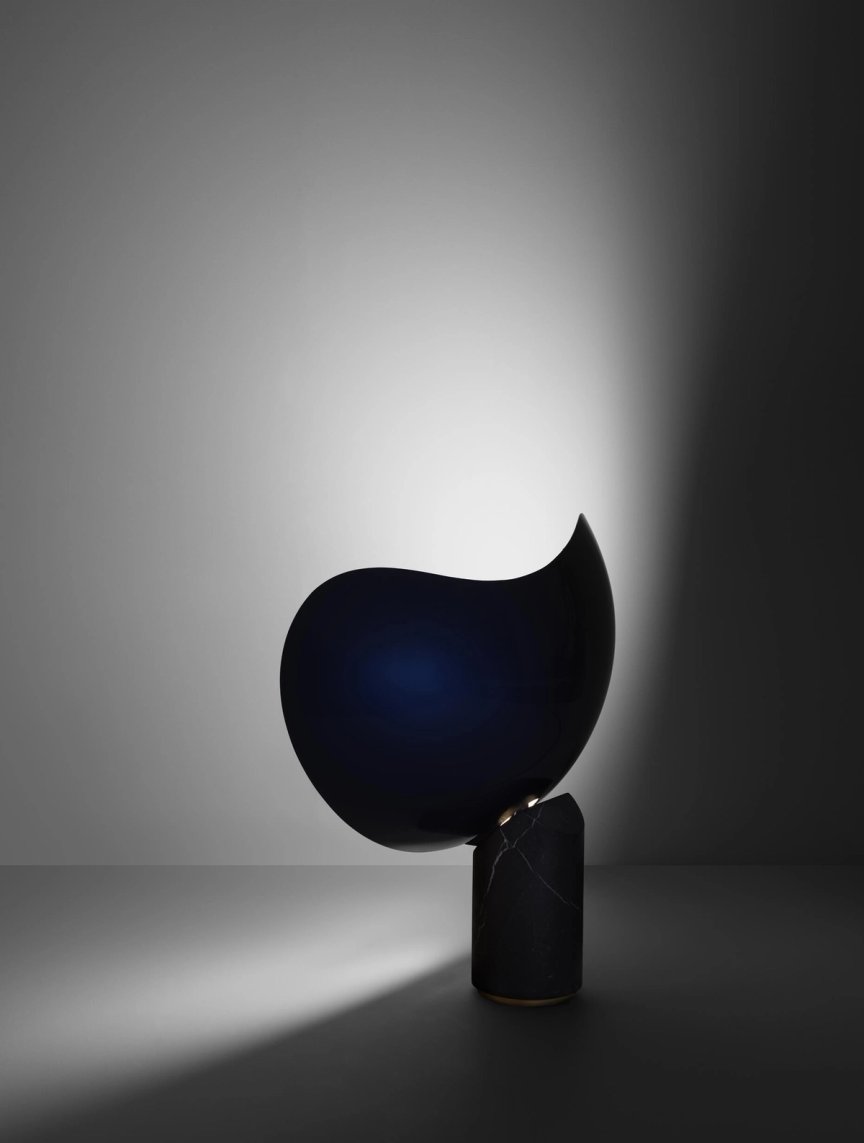
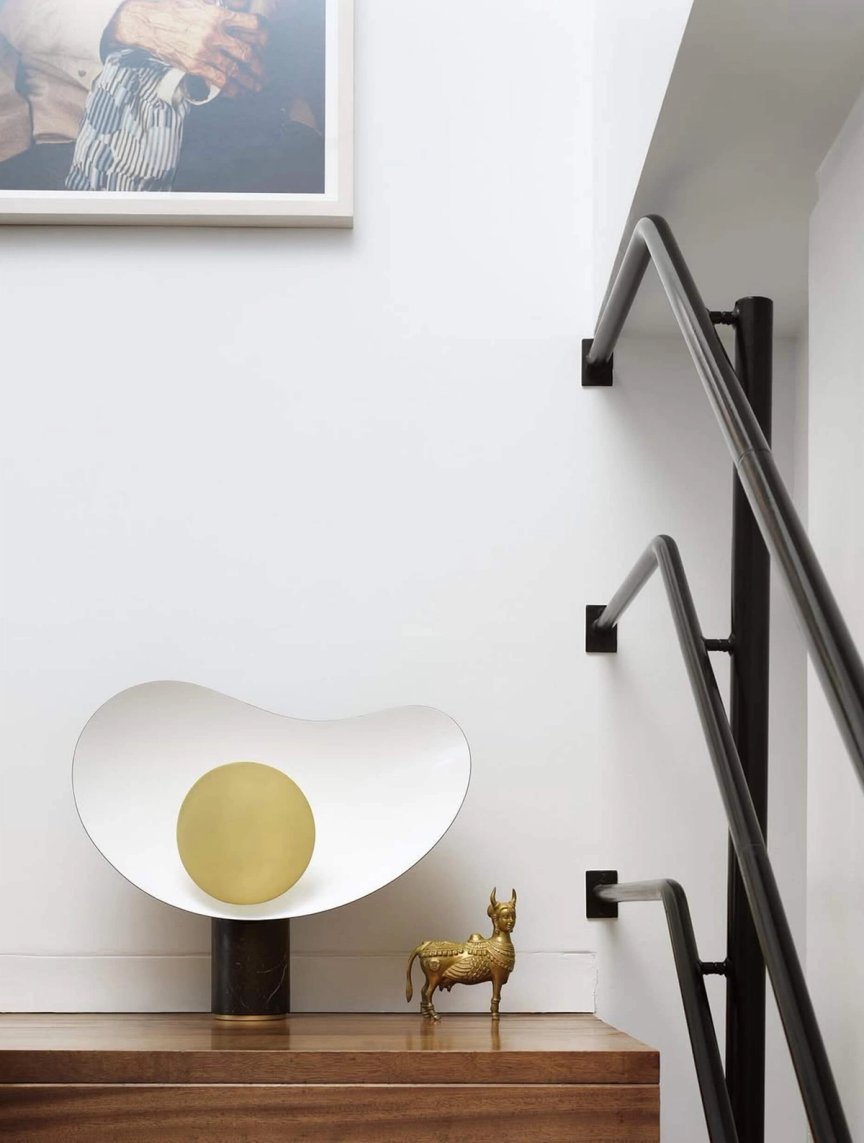
This dramatic image by Jonas Lindström emphasises the sculptural tension between components: a curvaceous aluminium reflector glances off the chamfered marble cylinder.
Space, Light and Form
(Fig 7)

Space, Light and Form

The Earth to Sky lights are not only structural, but also spatial and sculptural. The studio knew that it had found the right direction for the project when it could bring together space, light and form in a single gesture.
Composition is key
(Fig 9)

Composition is key

The project had moments of serendipity as Doshi Levien put together different forms and colours until finding a balance that worked. Here, Nipa Doshi puts together printed acetate with hole-punched card and metal rods.
(Fig 10)

Cantilever lamp

One of seven unique light sculptures self-produced by Doshi Levien, photographed in the Barbican by Jonas Lindström.
The forming process
The forming process
(Fig 11)

The forming process

Every piece is shaped from at least two parts of automotive-grade aluminium. These are beaten on a wooden block with a mallet and seamlessly welded into a single, continuous form. The elegance and lightness of the forms belie a making process that involves hammered metalwork and welding.