Object of Devotion
Galerie Kreo
2016
Daybed
Doshi Levien expanded its exploration of Le Corbusier’s modernist Indian architecture with Object of Devotion, a companion to Le Cabinet. Both projects arose from a dialogue with the buildings that Corbusier created in the subcontinent, which were shaped by the utopian spirit of post-colonial India and the creation of the new capital city of Chandigarh, commissioned by Prime Minister Jawaharlal Nehru.
Corbusier created some of his most ambitious works in India, where the vision of an independent nation found expression in architecture. He was responsible for the masterplan of Chandigarh, where he subsequently designed six major public buildings.
These modern masterpieces are well recorded and documented by eminent photographers, such as Lucien Hervé. Doshi Levien’s response grew from a desire to create something physical in return – an offering to Indian modernism shaped by their own encounters with these buildings.
Doshi Levien engaged in a personal dialogue with Corbusier’s modernist architecture, which the studio believes can be complemented by gestures of human devotion. Object of Devotion was conceived of as a design offering – part of a series of objects that are in conversation with these temples of modernism.
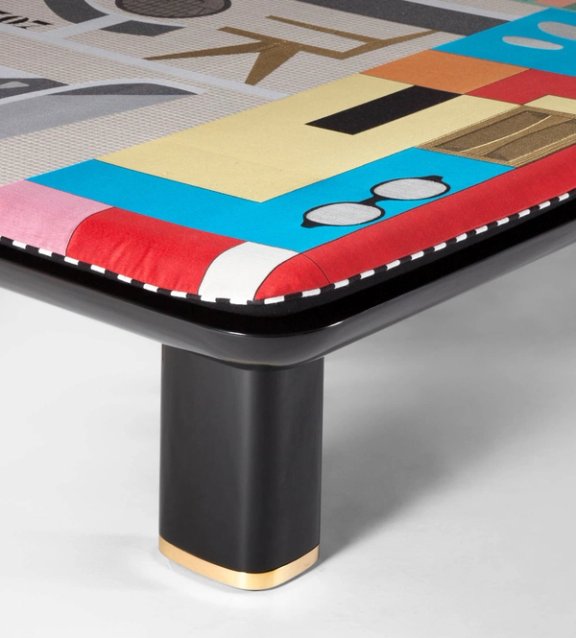
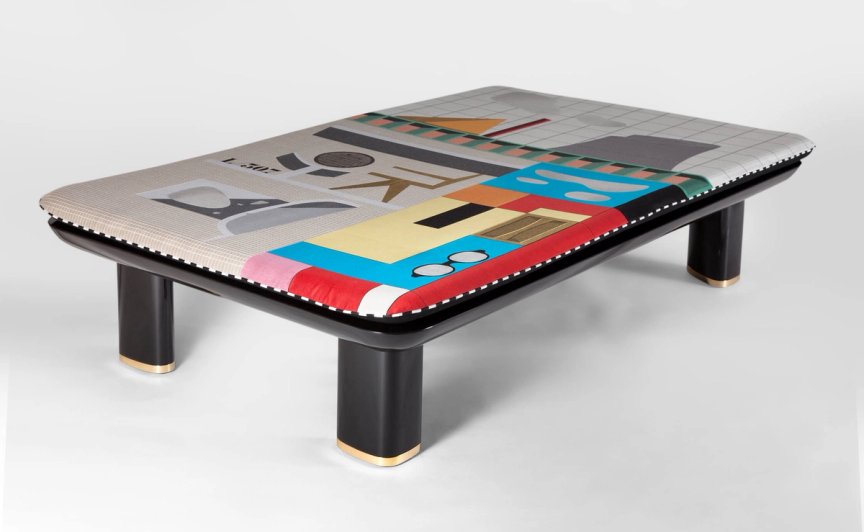
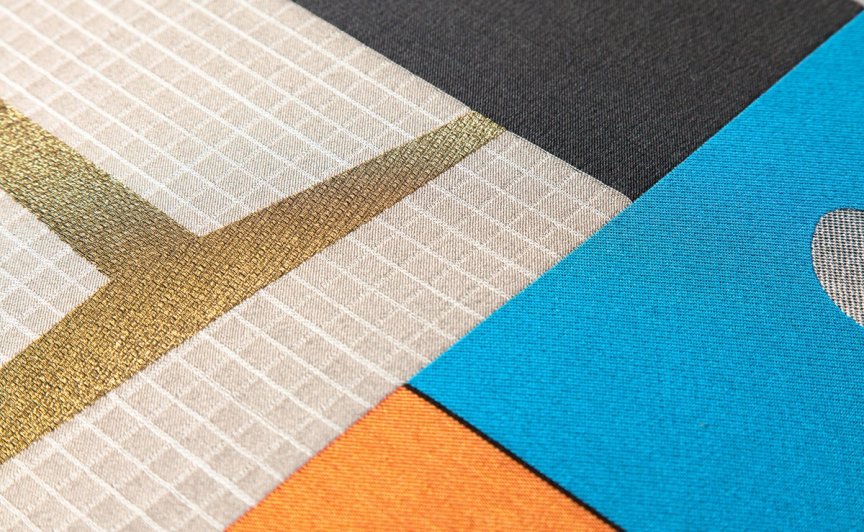
OBJECT OF DEVOTION MATERIALS
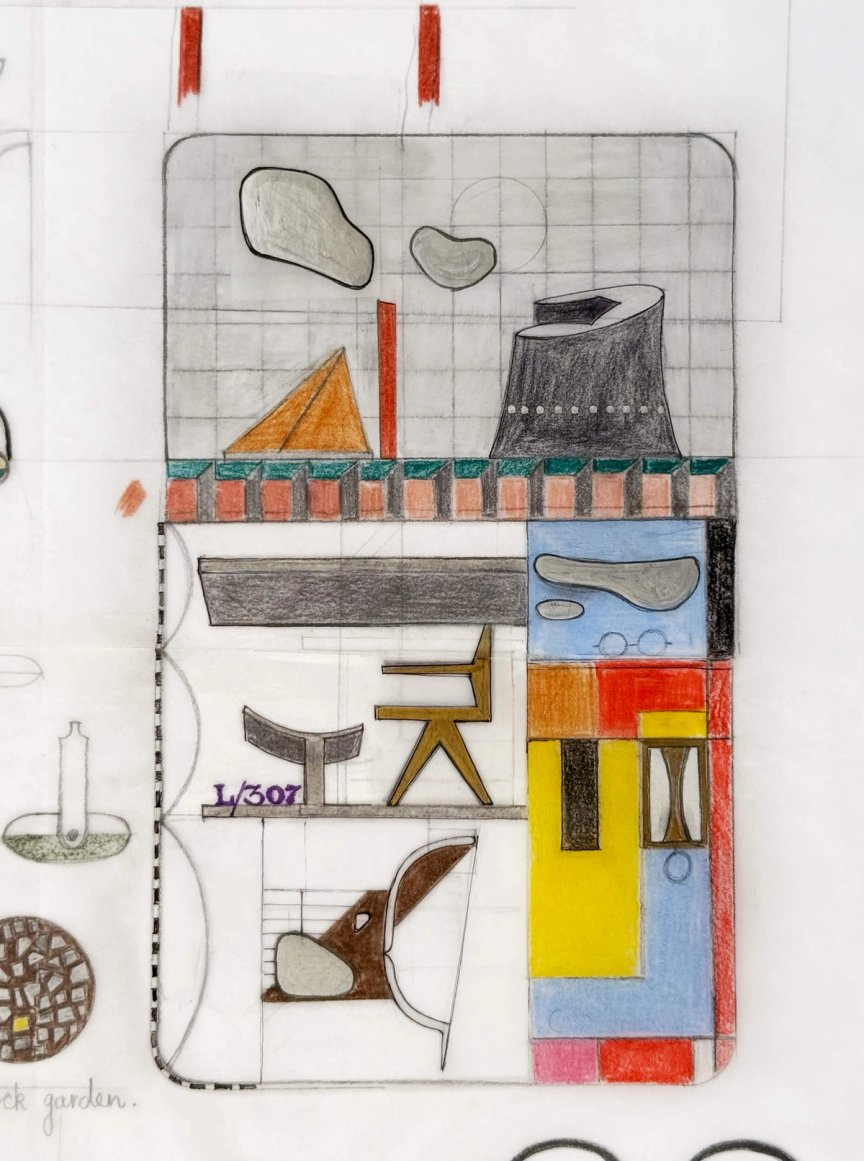
OFFERING TO MODERNIST INDIA