Essay
Living Objects
By Nipa Doshi
Made for India
Photography by Serge Anton
India is a complex and diverse country with many different realities. It is diverse not only in terms of culture, religion and language, but also class, caste and economic ability. It is a land of inherent contradictions, where sacred and secular have equal space; modernity and tradition co-exist; and spirituality and commerce are not necessarily in conflict.
India’s extreme elite and poor live side-by-side, with a vast aspiring middle class in between1. Although one of the world's fastest growing economies, India remains unique as a country where fine hand-craftsmanship is still an economically viable method of production. The human hand is everywhere, from objects to painted signs and services. Its recent economic growth has given rise to a middle class that is both aspirational and prosperous, with significant spending power2.
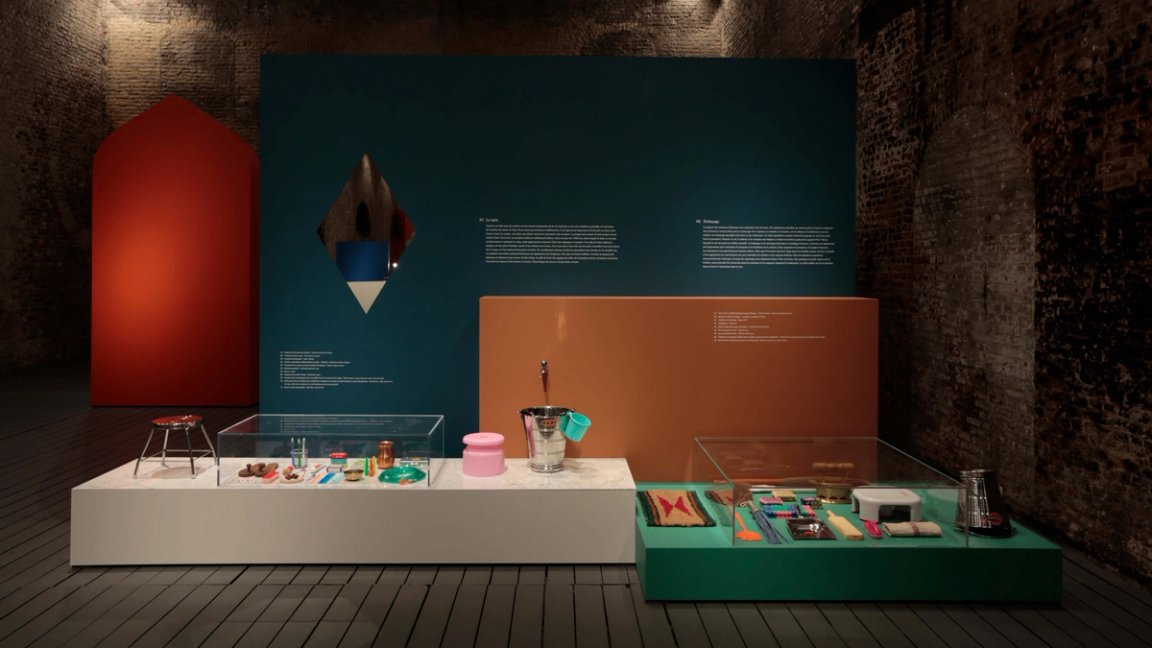
Celebrating the plurality of Indian culture and material environment, we selected a series of everyday Indian objects from markets, shops and the home, sourced from New Delhi to Trivandrum. Many objects are part of Doshi Levien’s personal collection, while others have been acquired by the studio for Grand Hornu. Living Objects is not a factual inventory, but rather an invitation to explore India’s material culture, values and customs through the chosen objects and the sophisticated daily rituals associated with their use..
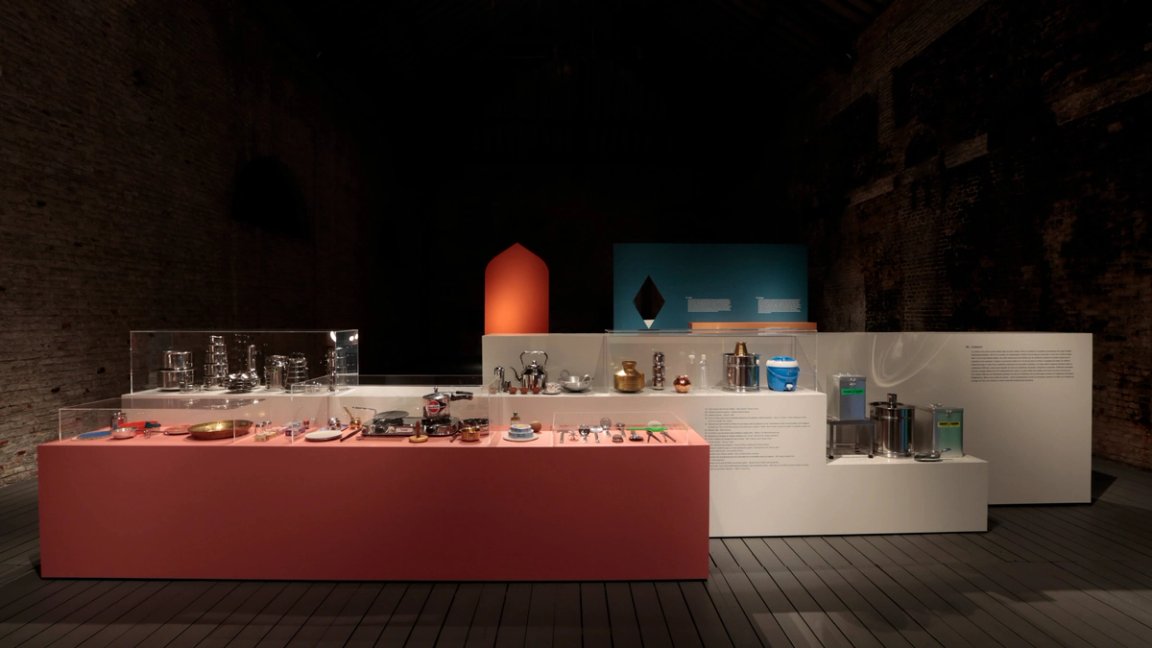
Living Objects exhibition installation view

EXHIBITION ENTRANCE
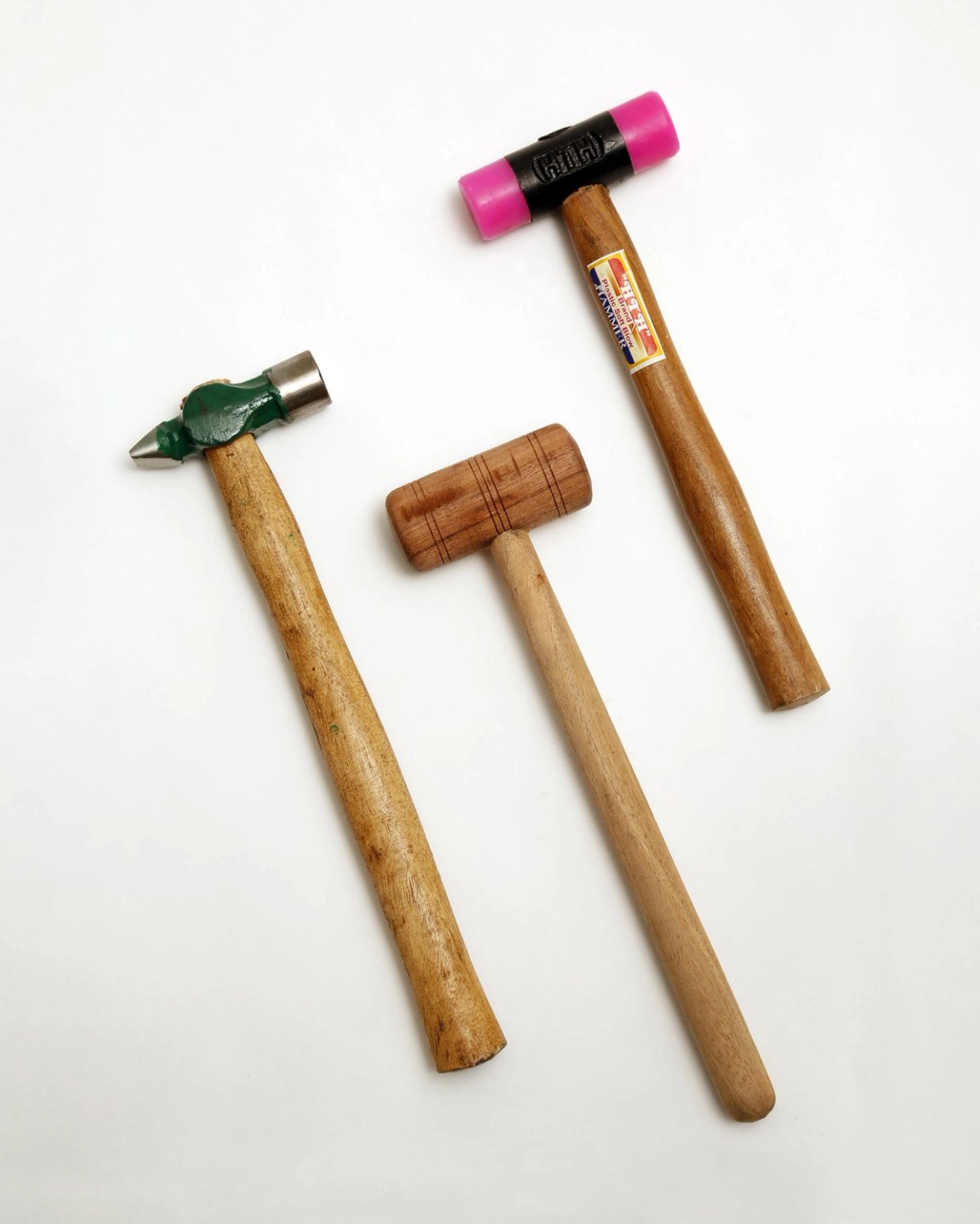
HAND TOOLS SELECTED BY DOSHI LEVIEN
Exhibition Introduction
India has many customs and rituals that are rooted in cultural traditions and religious beliefs. Daily tasks are usually performed with a rhythmic reverence and poetic order that transforms these everyday functional activities into sensual rituals. According to Hindu philosophy, there is wisdom in actions performed with care and selfless devotion. Hence, every task can be performed as an offering to the divine. This underlying philosophy is the basis of many daily rituals and partly explains the relationship Indian people have with the objects used to perform humble daily tasks.
The objects selected here are varied in their materiality and aesthetic, reflecting the inherent plurality of contemporary Indian life. They are ostentatious and austere, secular and sacred, industrially produced and hand crafted, celebratory and utilitarian. However, while varied and eclectic, the selection is neither kitsch, nor exotic or nostalgic – qualities often associated with Indian things. Instead, the exhibition consists of contemporary and honest everyday objects readily found in India.
Anonymous and ordinary, the value of these objects lies in their use in one of many daily Indian rituals for religious offerings, making things, writing, bathing, dressing, cleaning, cooking or sharing meals.
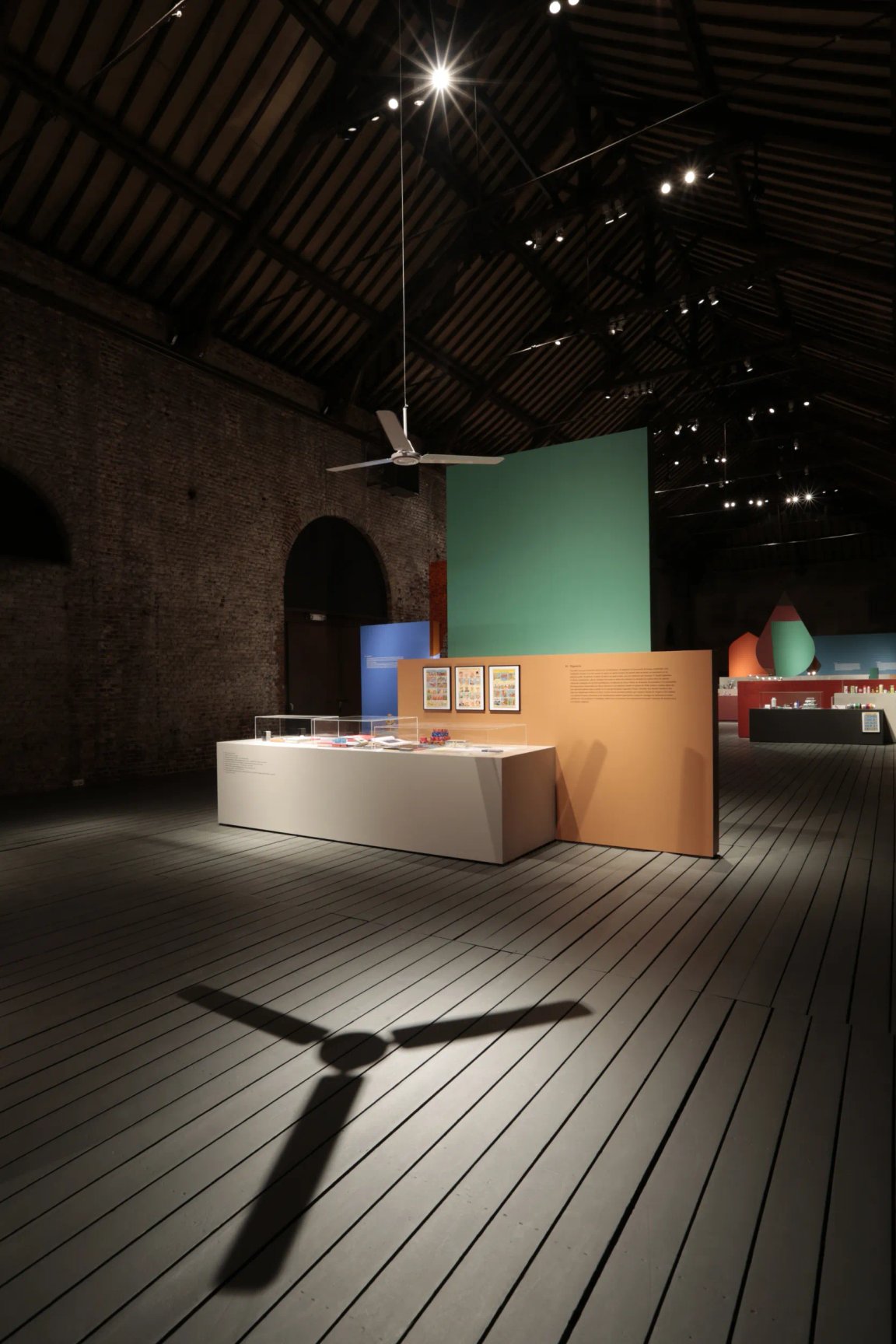
Ephemera: postal and other stationery - exhibition display
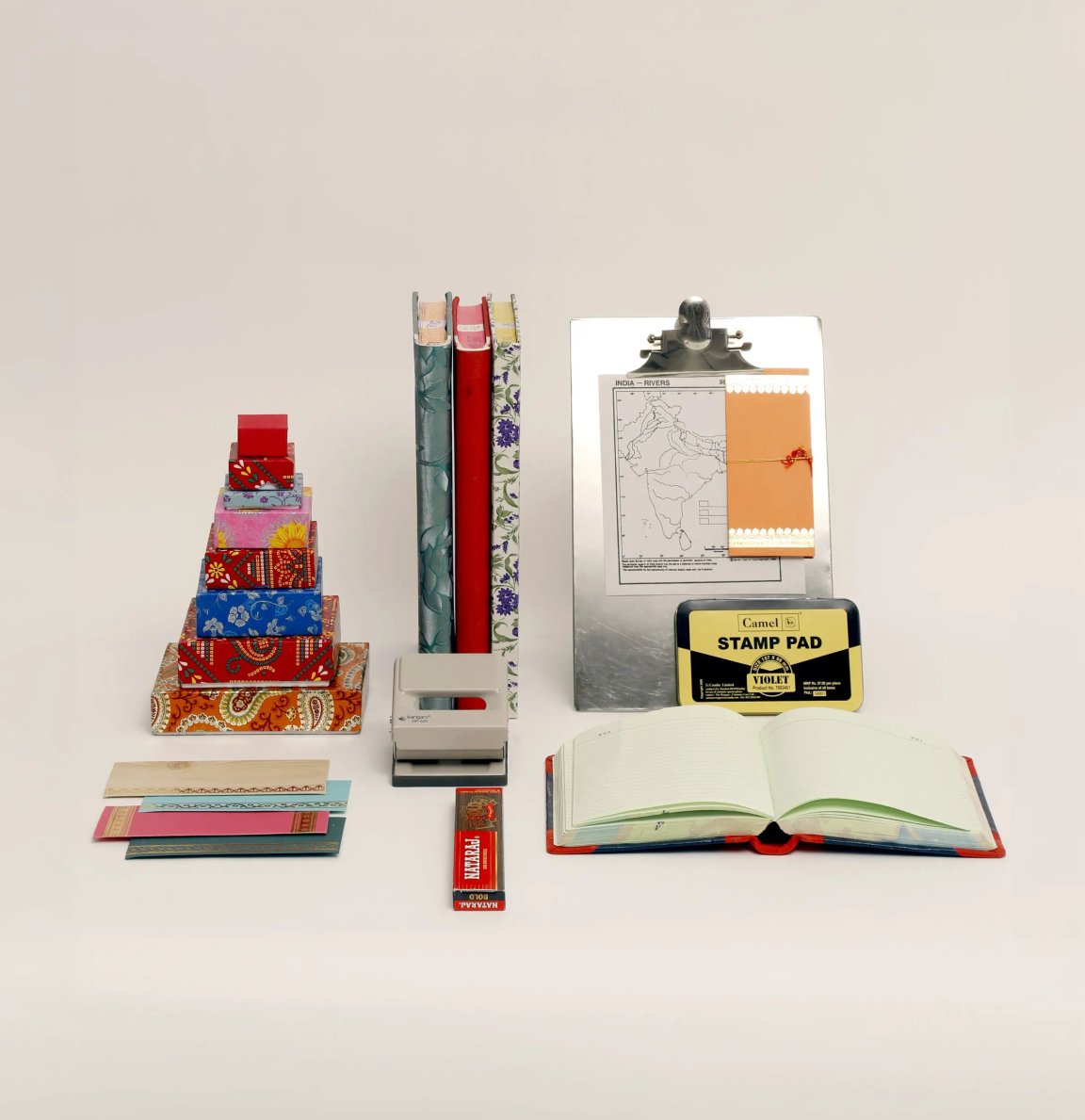
Indian Stationery and Paper Ephemera
1) Ephemera: Postal and Other Stationery
A wall and table display of paper ephemera, postal and office stationery, and desktop accessories, set beneath a whirring ceiling fan – a scene familiar across India. At museums, public buildings or monuments, visitors often sign in at a wooden desk manned by a guard doubling as receptionist. Handwritten records of daily life – letters, ledgers, permission notes and money gifts – have led to a variety of stationery items, some universal, others distinctly Indian in style and design.
School Stationery
In many Indian middle-class homes, writing and study tools are everywhere. Education is highly valued as a means of social mobility, especially given the persistent issue of illiteracy. School stationery often includes familiar icons, such as maps of India detailing the nation’s rivers, states, and neighbouring countries. Brands including Camel, Nataraj, Apsara and Bittoo are woven into the daily lives of generations of schoolchildren.
Postal Stationery
Despite increasing digital access, post remains vital in rural areas. Stamps, prepaid envelopes and postcards continue to be everyday tools of communication.
Accounting and Office Stationery
Cash is still king in small businesses, where handwritten ledgers are preferred for bookkeeping.
Gift Ephemera
Money and gift-giving are central to celebrations such as weddings and festivals. Decorative envelopes, often in bright colours with intricate patterns, play a key social role. A traditional touch sees a one-rupee coin stuck on an envelope, symbolising luck and prosperity, as gifts are rarely given in round numbers.
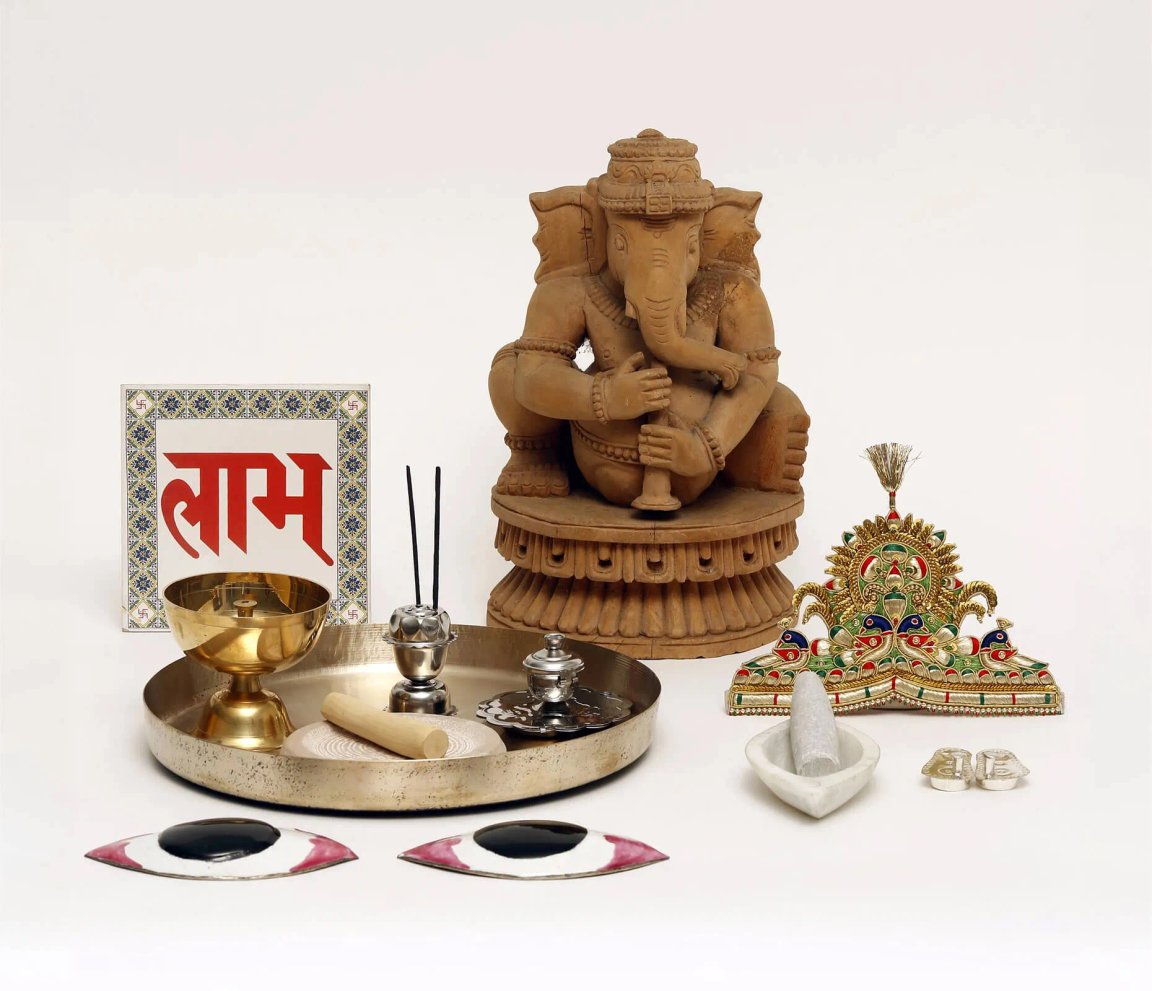
Home shrine for sacred offerings
2) Shrine for Sacred Offerings
Religion is deeply woven into daily life in India, where the constitution guarantees the right to freely practice one’s faith. This shrine reflects the everyday ritual of making sacred offerings – not just to gods and goddesses, but also to religious texts, spiritual teachers and ancestors.
Many people begin their day with a short prayer at a home shrine. Such shrines are also common in shops and small workplaces. Unlike large public places of worship, these personal spaces are intimate and often eclectic, housing multiple deities or saints – even from different faiths – that reflect the syncretic and inclusive nature of spiritual practice in India.
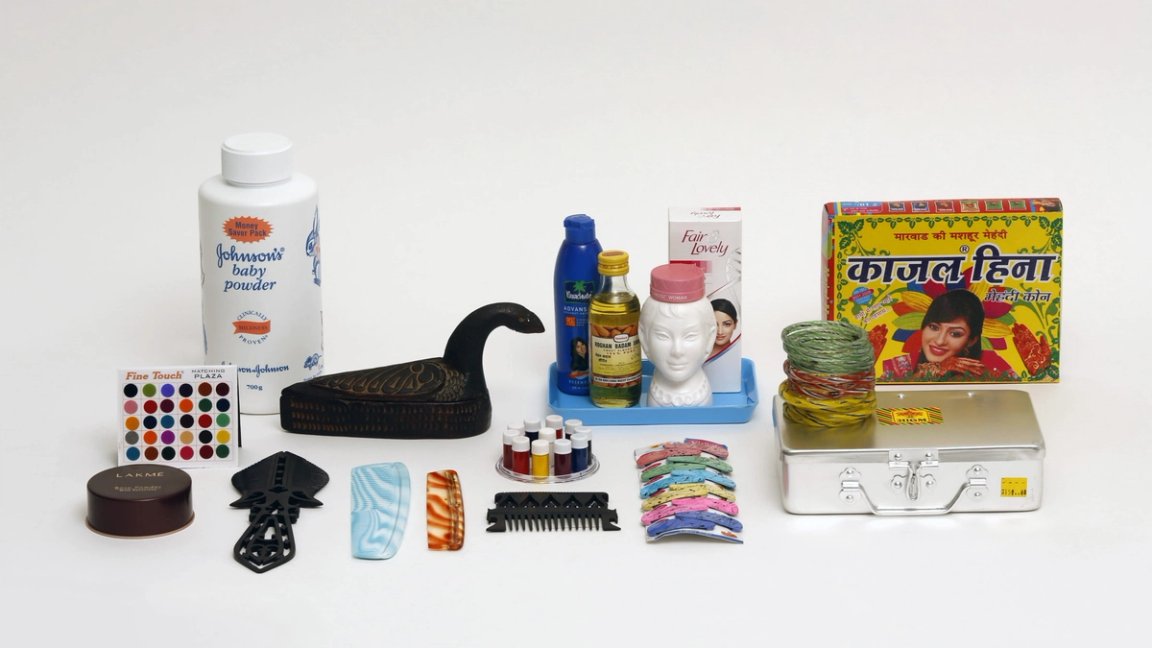
Beauty essentials
3) Dressing Up
In Indian tradition, Shringara refers to the 16-step ritual of adorning and beautifying oneself. While few women follow all the steps today, many still engage in key practices such as applying a bindi, sindoor (for married women), kohl and lipstick, as well as using coconut oil for the hair, especially before bathing.
Caring for one’s appearance remains an important daily ritual. This display includes bindis, handkerchiefs, combs, henna cones for decorating hands and feet, bangles, talcum powder for hot weather, and coconut hair oil. A few grooming accessories for men are also featured.
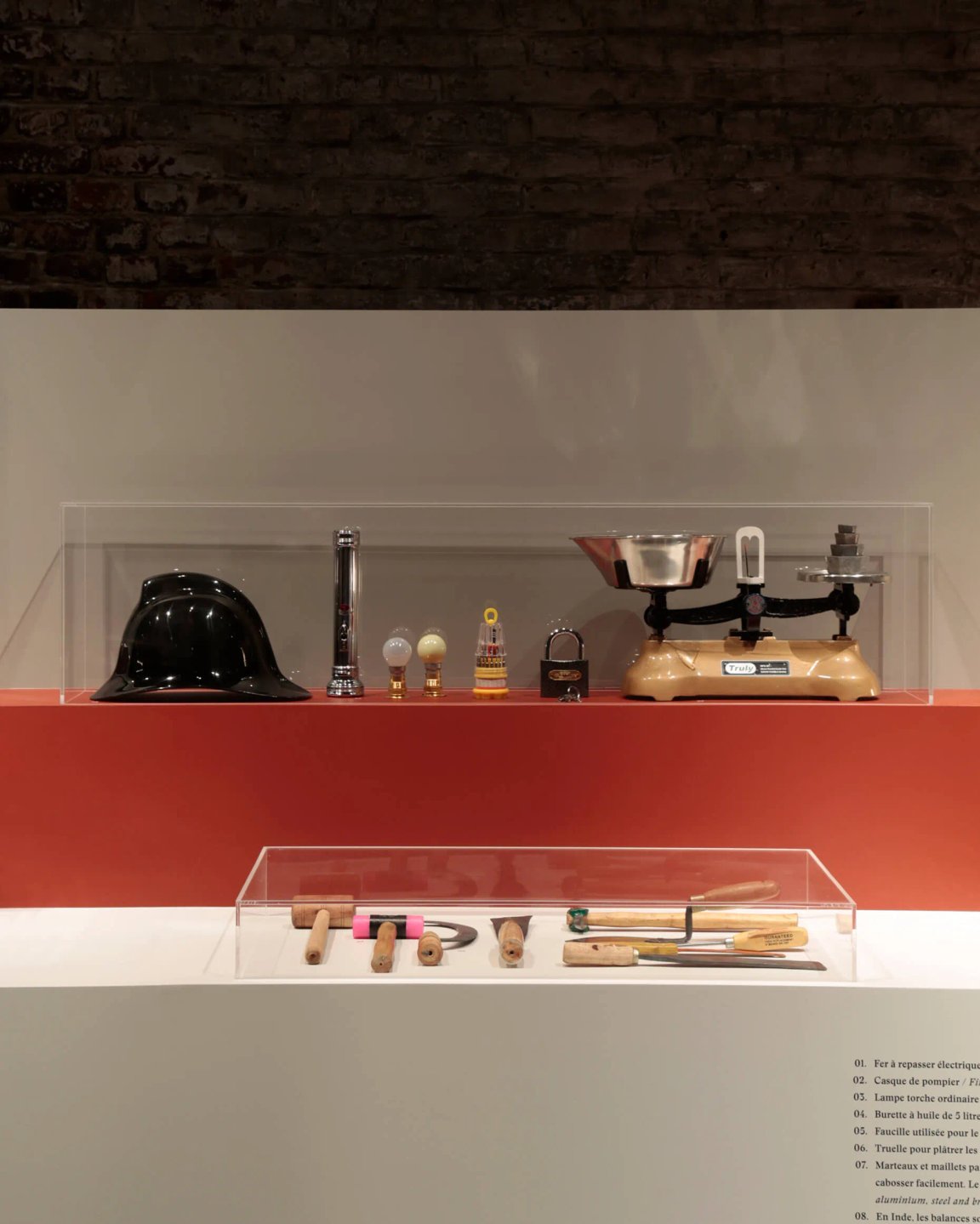
Tools for making – exhibition display
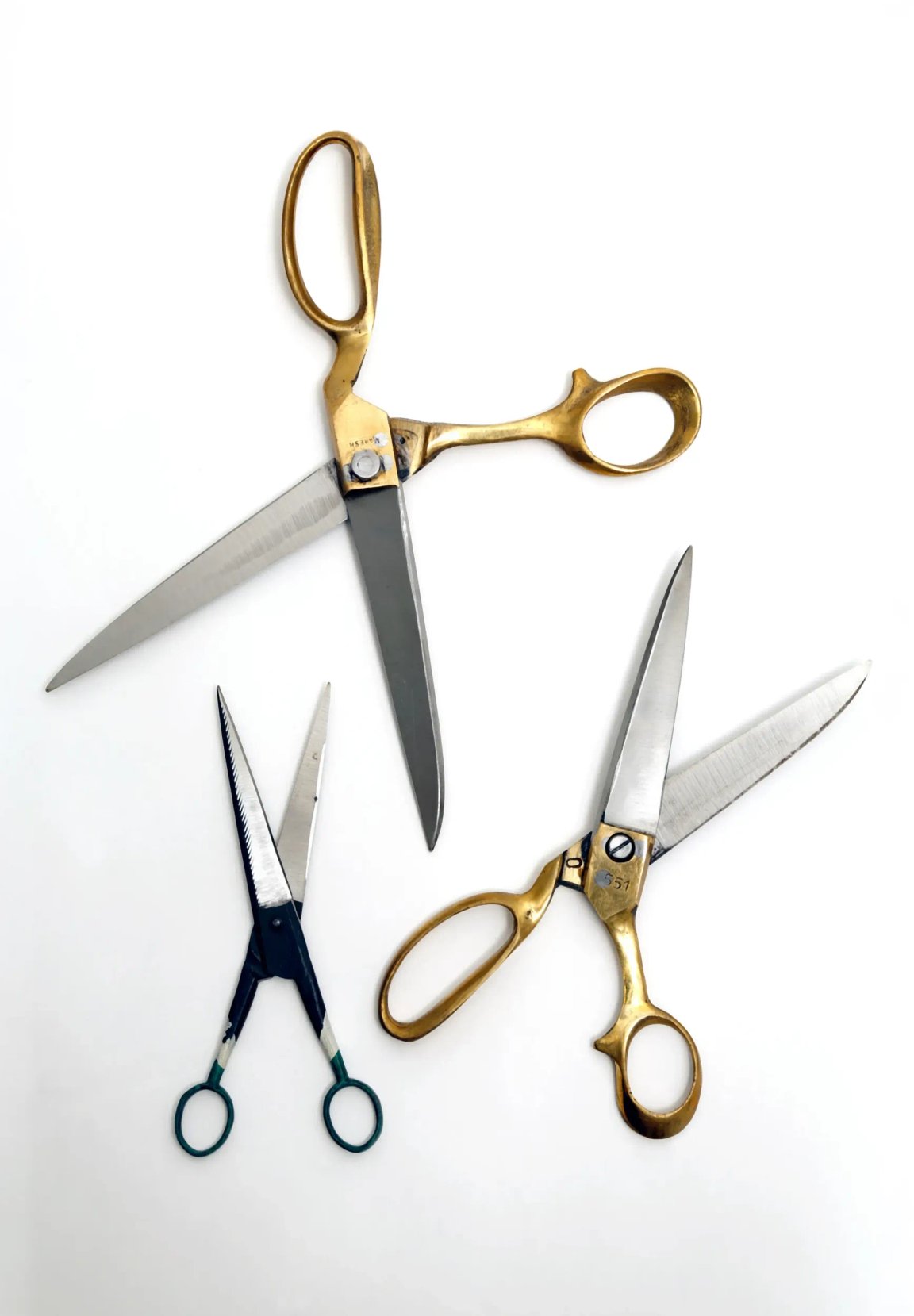
Handcrafted scissors
4) Tools for Making
India is one of few places where handcraft still supports large-scale production for everyday use. In cities and towns, small open-fronted workshops that are often run by just one or two people produce tools such as scissors, hammers, garden implements and hand-bound notebooks. These micro-industries form a vital part of the economy and everyday life.
Custom-making is common and people often have their clothes, furniture and tools made to order. A trusted scissor maker, for instance, might create a bespoke pair in a single day. These exchanges are as personal as they are commercial, rooted in long-standing relationships between makers and customers.
Craftspeople treat their tools with reverence. On Vishwakarma Day, they worship their machines and tools, honouring Vishwakarma, the divine architect and engineer, for safety, success and livelihoods.
Alongside handmade items, mass-produced tools that are often adapted from global designs are widely used and deeply integrated into daily life, further reflecting India’s unique blend of tradition and innovation.
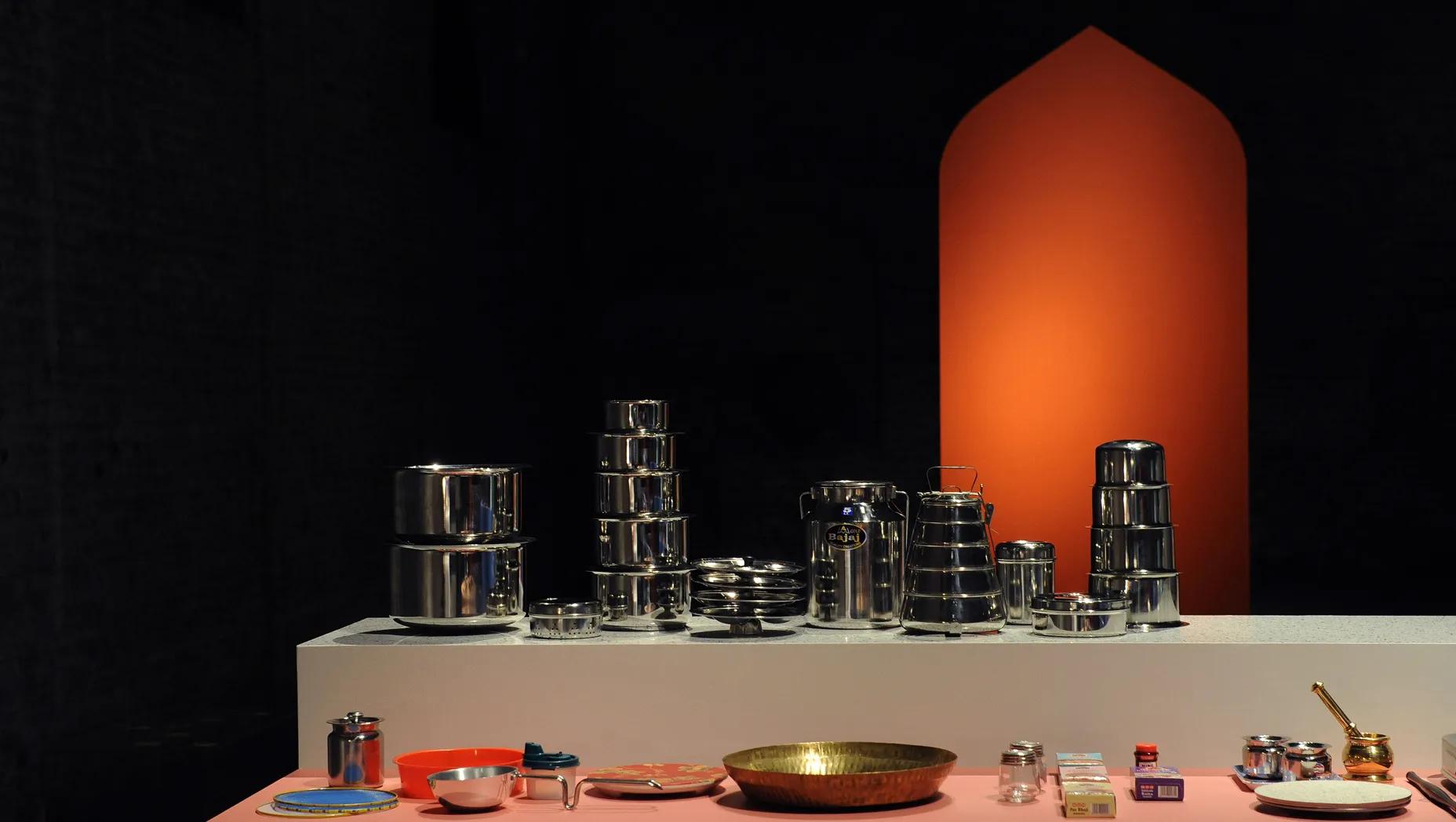GHI-Serge_Anton_ps.webp?w=1152&q=85&fit=max&auto=format)
Eating and cooking - exhibition display
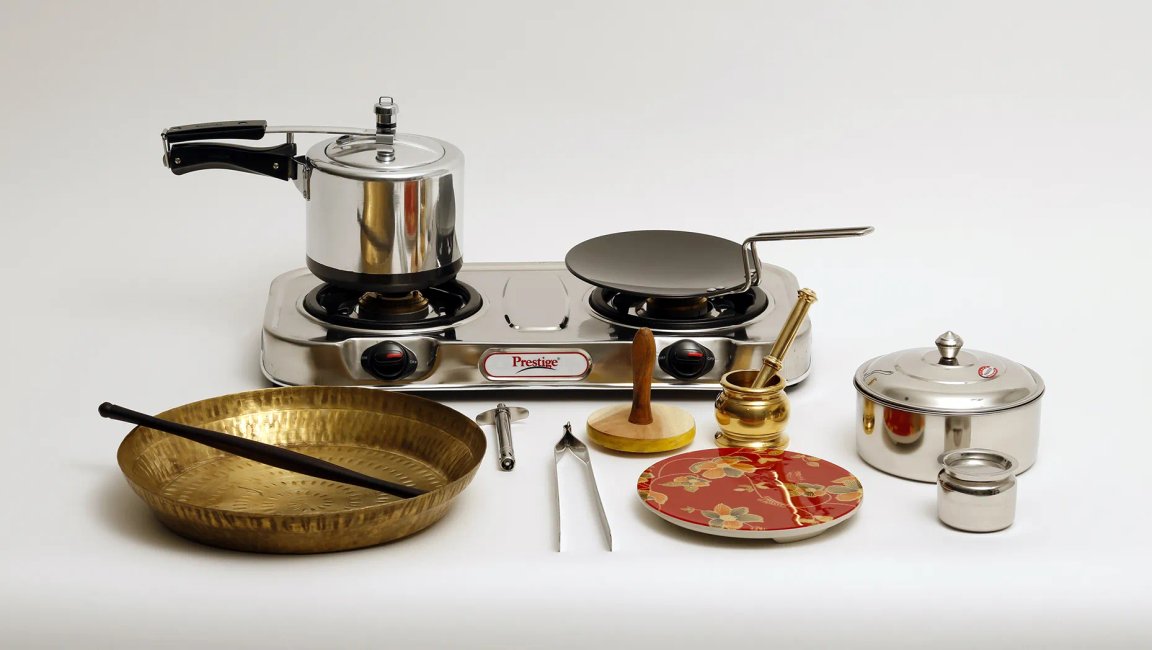
Tools for making chapati
5) Eating
Indian cuisine is incredibly diverse, shaped by regional climates, local ingredients, and religious and cultural traditions. Eating freshly cooked meals three times a day is central to daily life, especially in households where multiple generations live together.
Meals are often shared at a central table, with food served in stainless steel or plastic thermal containers. In rural or lower-income homes, sitting cross-legged on the floor to eat remains common. A typical meal includes a variety of vegetables, lentils, rice, chapati (unleavened bread), pickles and yoghurt, often served together on a thali (round metal plate).
Dining objects vary widely in material and design. It’s common to see a mix of steel, brass, melamine, ceramic and glassware on the same table. Water or buttermilk usually accompany meals, and most people eat with their right hand, sometimes using a spoon for lentils or yoghurt.
6) Cooking
In India, the kitchen is the heart of the home – a busy, often crowded space used throughout the day to prepare fresh, hot meals. In joint families, multiple people may cook at once, with helpers and family members sharing duties. Floors often double as work surfaces and ingredients such as grains and spices are stored in bulk.
Meals typically involve several dishes, requiring a wide range of tools and cookware. Even a simple item such as a chapati involves its own set of utensils. Cooking is usually done over a gas flame, kerosene stove or coal fire.
Despite limited space, Indian kitchens are a blend of tradition and modernity. Hand-turned terracotta matkas (for storing water), grinding stones and age-old tools coexist with modern appliances such as fridges, food processors and water filters, thereby reflecting a layered, evolving culinary culture.
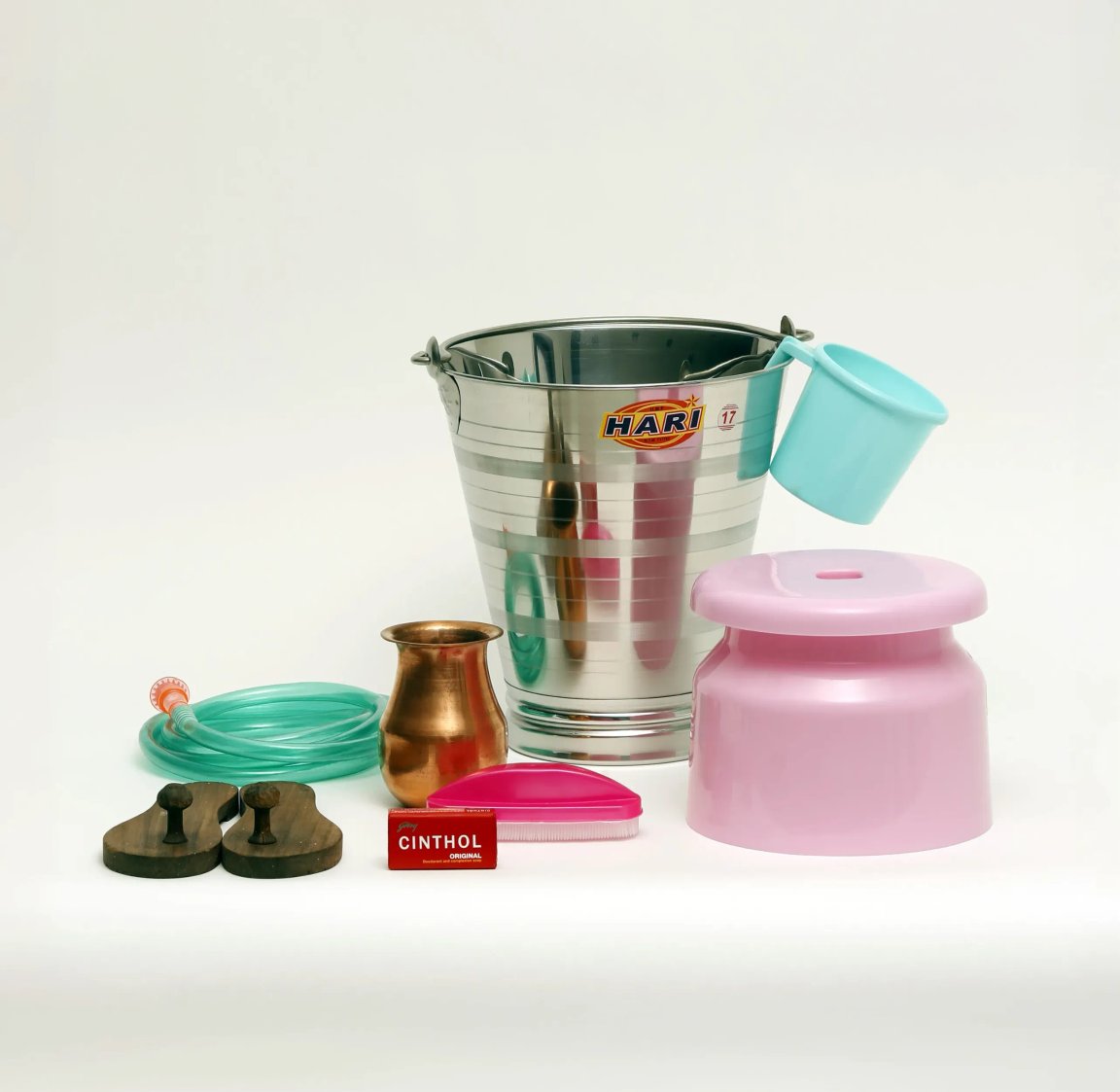
Everyday indian bathing objects
7) Bathing
Daily morning bathing is an essential ritual in India, often required before puja (prayer) or entering the kitchen, where a household shrine may be kept. Rooted in Ayurveda, a 5,000-year-old system of traditional medicine, bathing is seen as cleansing for both body and mind.
Many still follow Ayurvedic practices such as oil massages and scrubs made from chickpea flour, turmeric, sandalwood and milk. Natural ingredients are widely used for skin and hair care.
Most Indian bathrooms are simple wet rooms, with a tap, bucket, lota (scoop) and low stool. While modern homes may include showers or even bathtubs, traditional methods remain common. Bathrooms also serve as laundry spaces, where clothes are hand-washed using soap bars, scrub brushes and wooden bats.
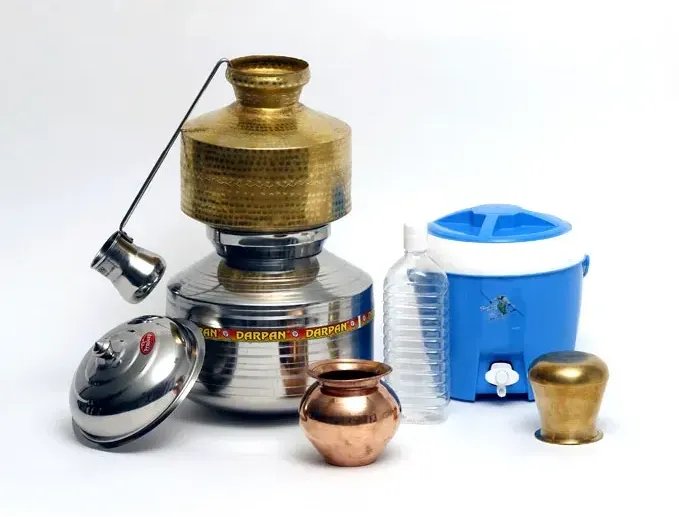
Different types of water vessels
8) Cleaning
Daily cleaning is a key ritual in most Indian homes. It begins with sprinkling water to settle dust, followed by sweeping with a phool jhadoo (soft broom) and mopping by hand while squatting. Incense is often used afterward to refresh the space, and good ventilation is considered essential.
Shoes are typically left outside to keep dust out, and due to the climate and open architecture, many families employ full-time help for cleaning, laundry and dishwashing. Washing machines are common in affluent homes, but vacuum cleaners and dishwashers are less practical for Indian homes and utensils.
Ironing is often done by a local dhobi, who sets up a street-side stand and uses a traditional coal iron, collecting and delivering clothes daily.