Essay
My World
Essay
By Emily Campbell
Photography by Jonas Lindström
The New Subjectivity in Design
Photography by Jonas Lindström
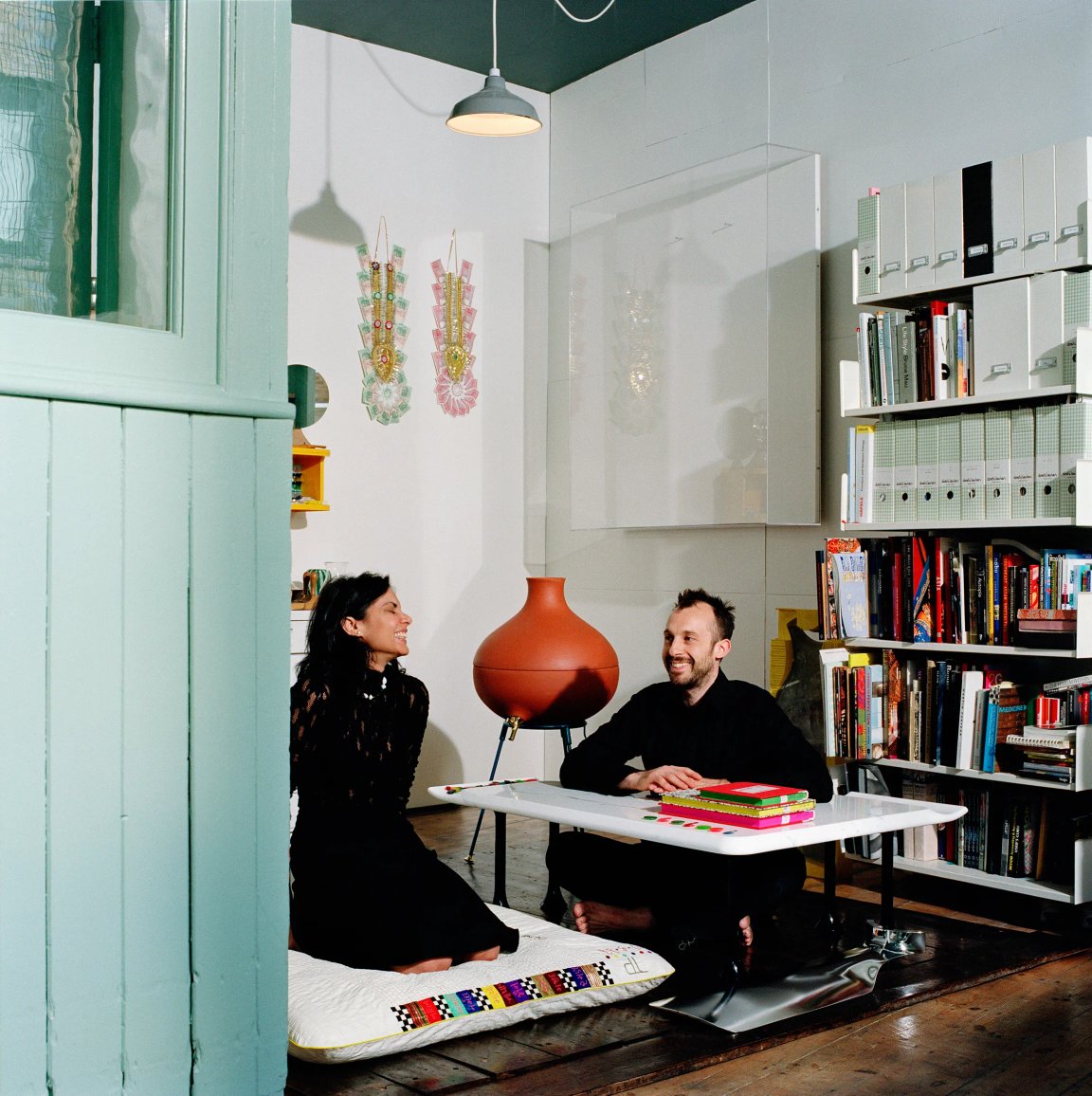
Nipa Doshi and Jonathan Levien in their Original Spitalfields studio
Doshi Levien’s My World installation is partly inspired by the shops and workshops of ancient, but still functioning, markets in India. Customers remove their shoes, sit on a mattress and spend time talking to the craftsperson about what they need.
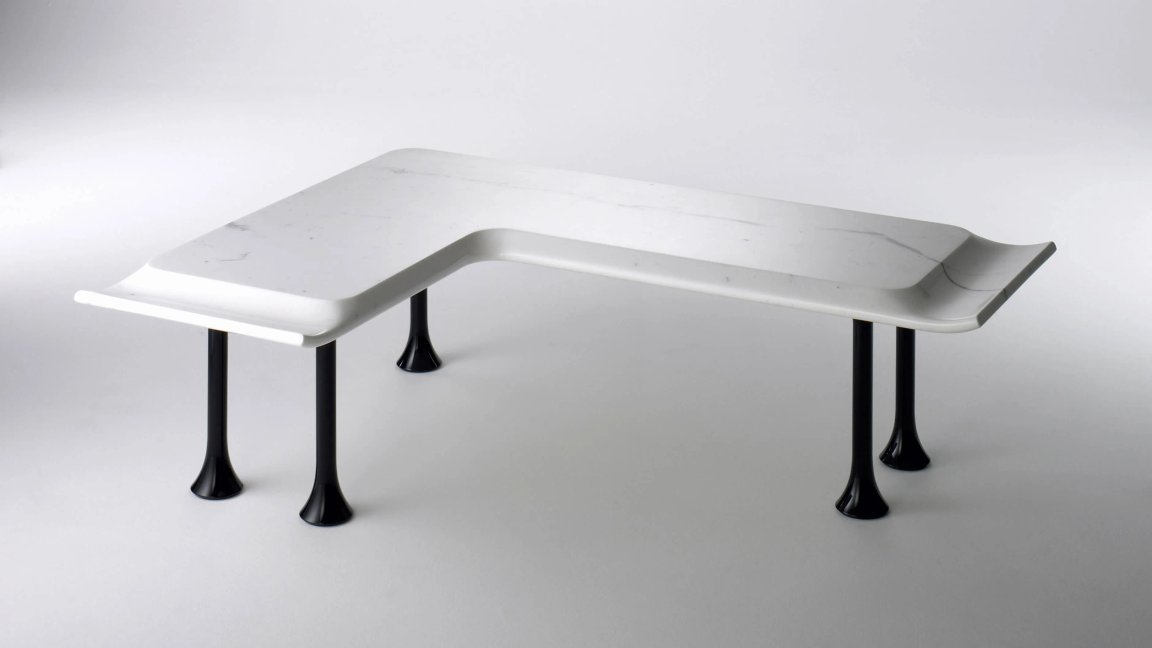
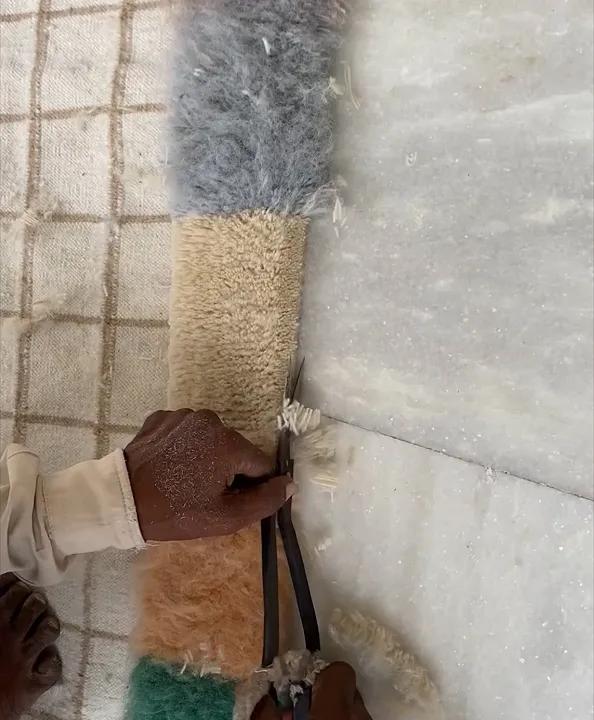
The objects resulting from these transactions are made with great care and are extremely personal to both the maker and consumer1. The atmosphere of the shops yields a strong impression of having entered a world – the craftsperson’s world – that is infused with a unique smell, tactility and creative possibilities. Doshi Levien has created a liminal space between two worlds, Indian and European, imaginary and real.Doshi Levien’s shop asks us to consider – to buy, as it were – the studio’s values and aspirations. The objects allude to Indian archetypes, but are also prototypes with potential for mass production. To encourage social interaction, the mattress in the installation has been hand-embroidered with the board markings for Chaupar2, an ancient Indian dice game. The prototypes are also expressive of the collaboration between the studio’s founders Nipa Doshi and Jonathan Levien. The complex form of the marble table has been created from a combination of Doshi’s pencil drawings and Levien’s computer modelling, and then machined into shape. The crude electric ceiling fans found all over India have broad blades that sound a lullaby as they turn. More efficient contemporary fans, however, have none of this poetry. As such, Doshi Levien’s prototype fan attempts to reconcile the atmospheric qualities of the former, with the practicality of the latter.
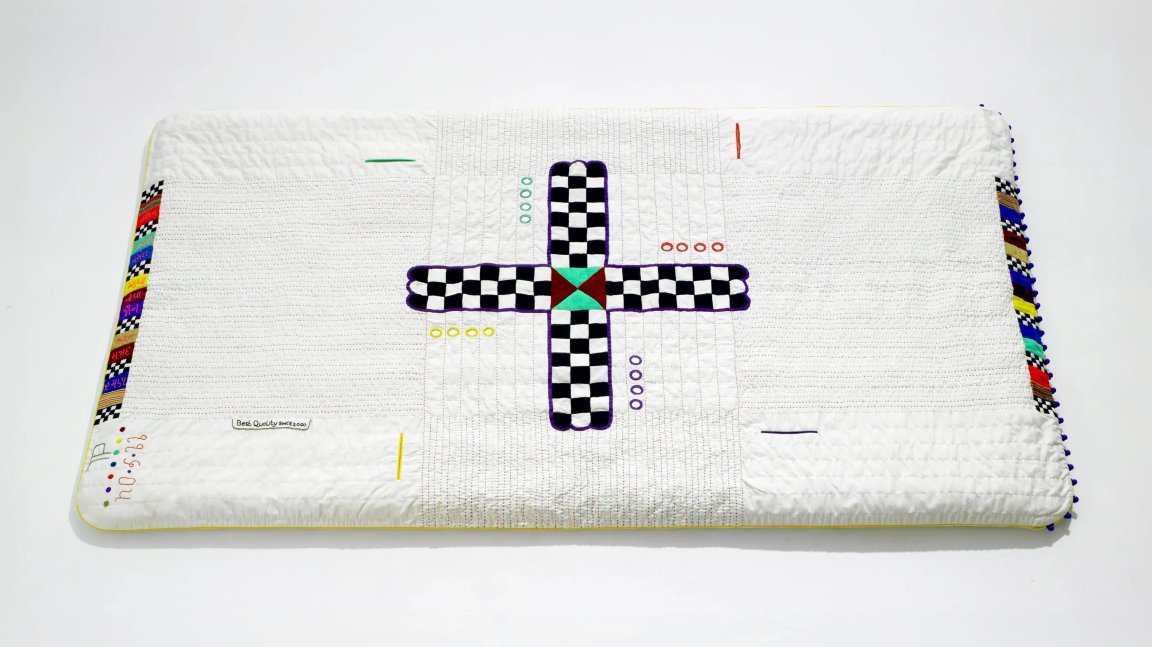
Hand-Embroidered Mattress with Chaupar
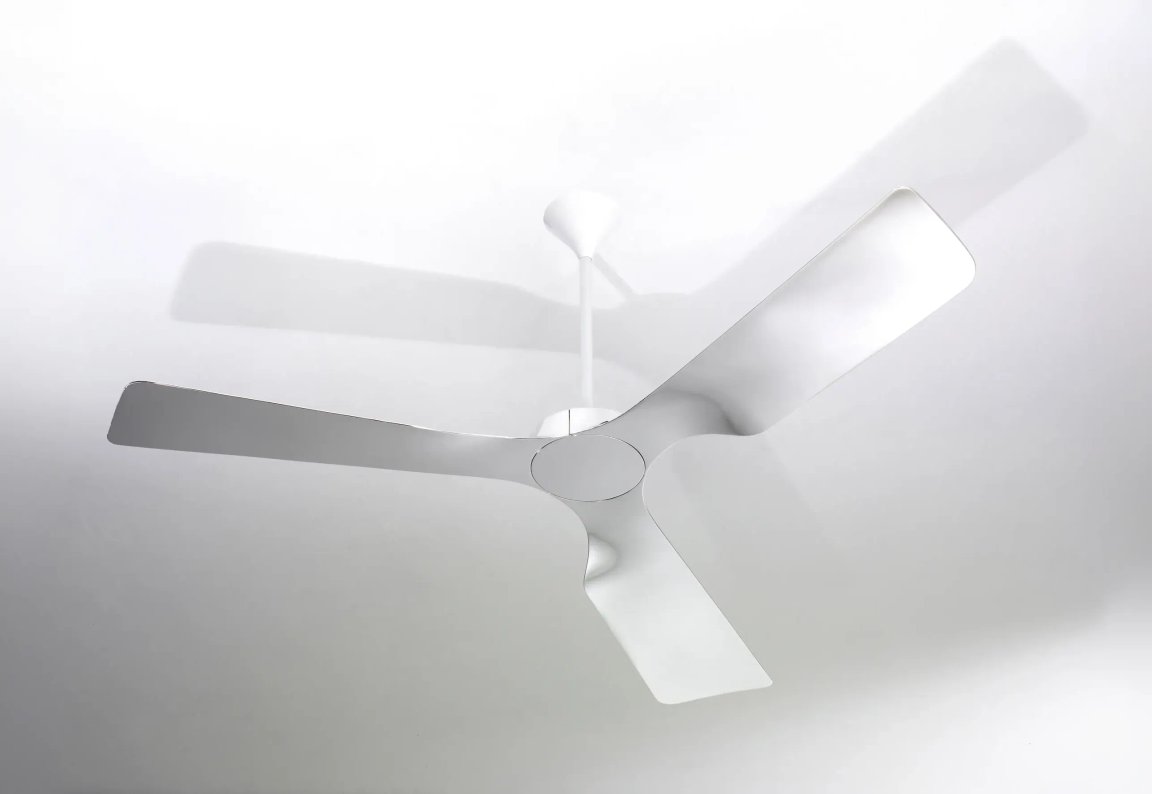
Fan
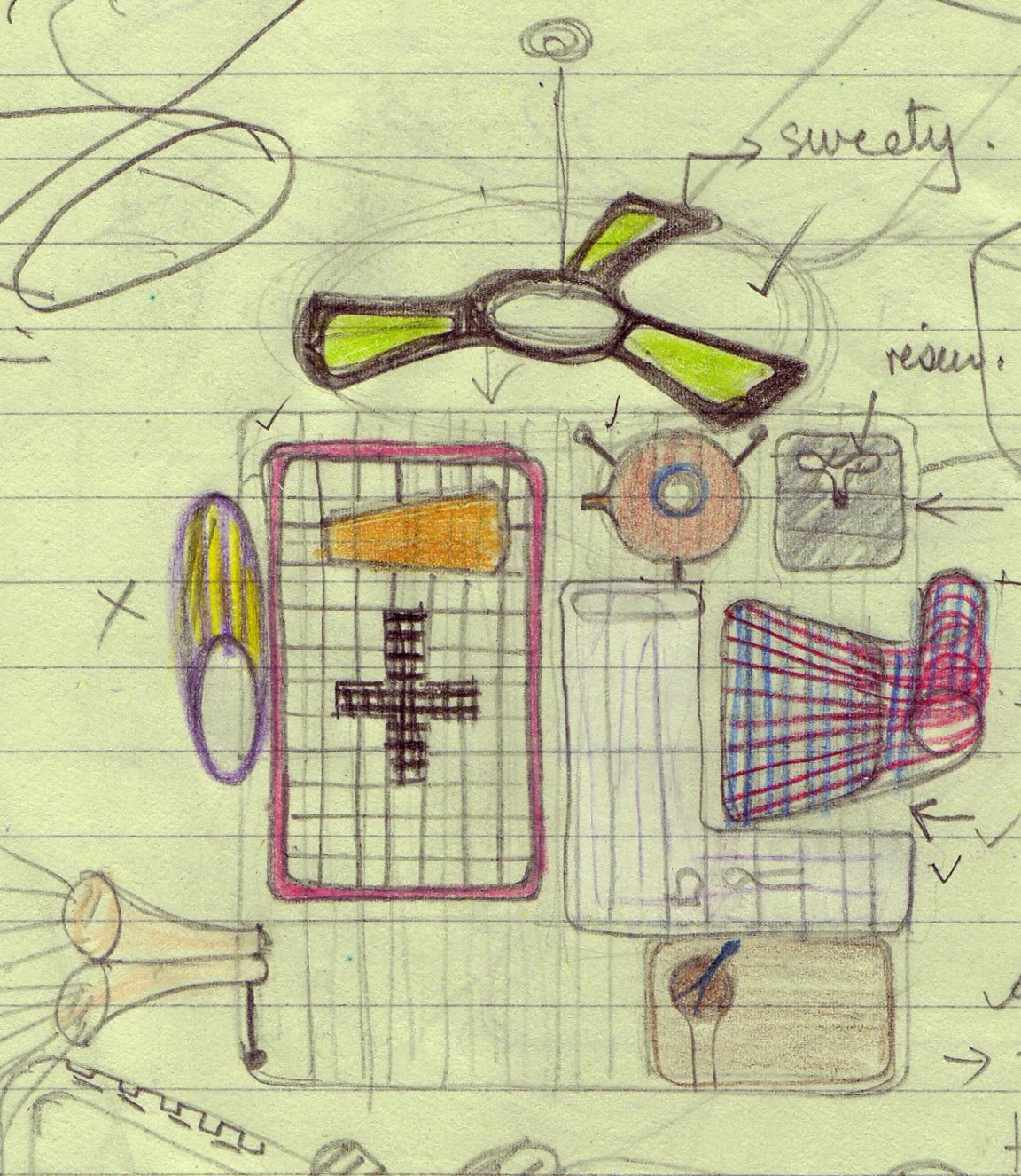
An early drawing for My World
Most Indian households use a rounded terracotta drinking water vessel, a matlo, that cools water to 14°C below ambient temperature without refrigeration. Doshi Levien’s matlo is a slip-cast version that has evolved to incorporate filtration and which could be batch-produced from a mould. They propose it as an environmentally sound alternative to bottled water and electric coolers3.
All these prototype products have a deep dependence on traditional crafts, as well as industrial processes. Craft relies strongly on intimate knowledge of materials, but this knowledge is easily lost in manufactured products where production is separated from design. With all its work, Doshi Levien intends to reintroduce this link and increase the role of serendipity and experimentation in mass production. The studio also hopes to “promote respect for craft in parts of the world where the hand is the machine”. Its long-term aim is to reverse the trend towards seeing India and other developing countries with strong craft and production traditions as places to make things cheaply; instead, it seeks to find a contemporary and sustainable expression for indigenous skills.
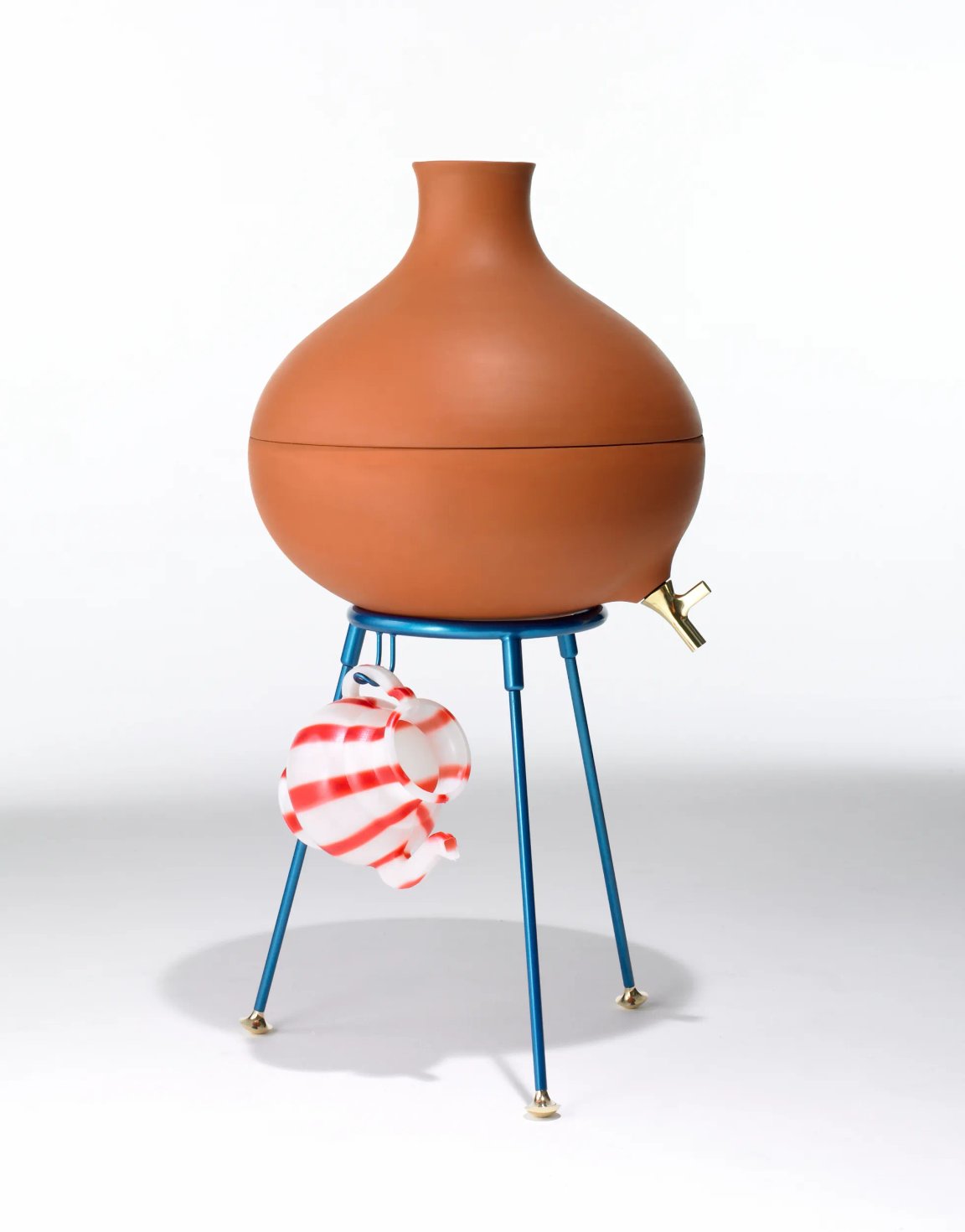
Matlo
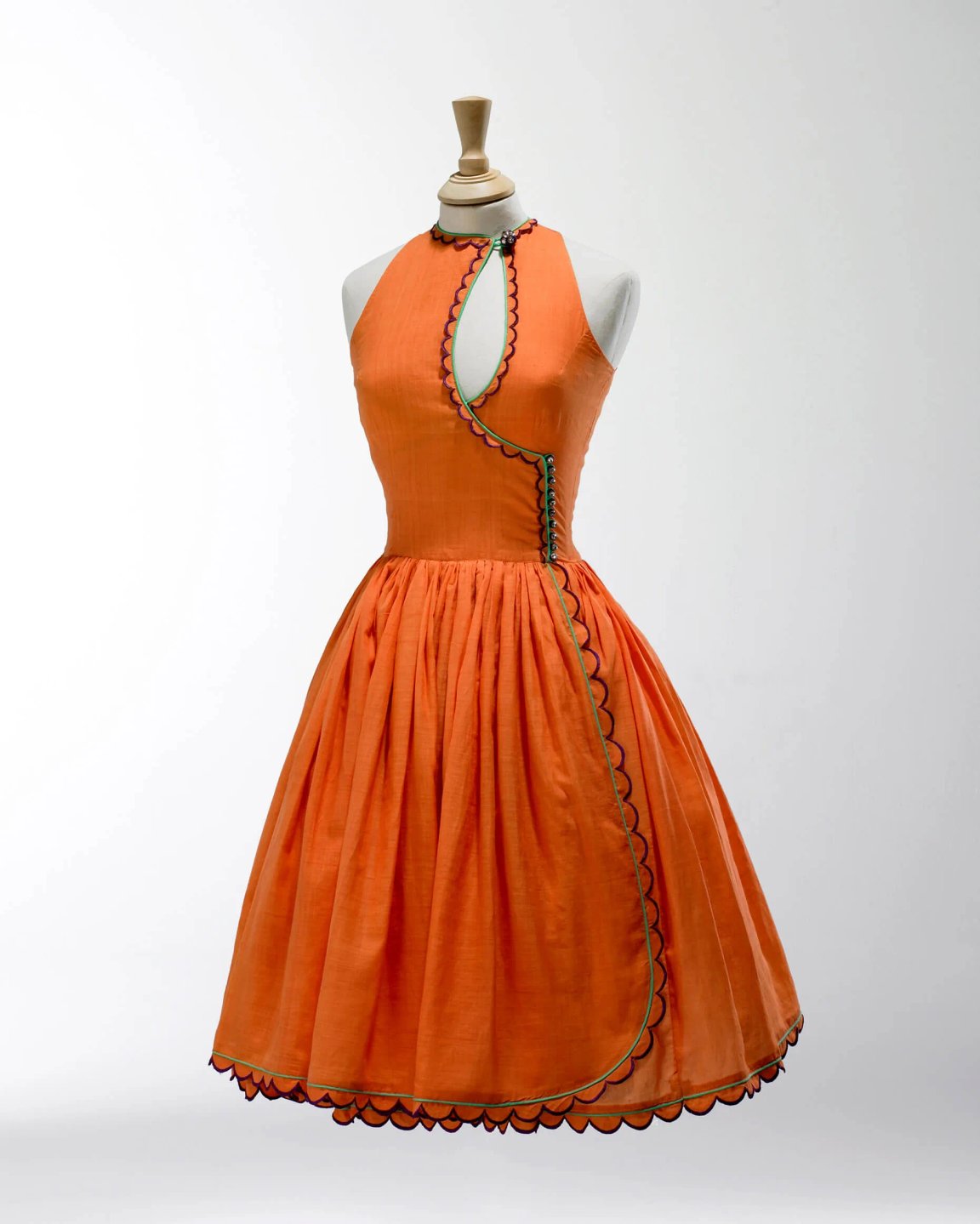
Dress
.webp?w=384&q=85&fit=max&auto=format)