• Objects with meaning

    In conversation with Nipa Doshi

    Wallpaper in collaboration with Vodafone

Dori

Hay

2026

Textile

Description

Dori is Doshi Levien’s first textile collection for HAY. Meaning “thread” in Hindi, the collection explores the layering of a brightly coloured embroidered grid over a two-tone cotton surface.


The project began when Mette Hay visited the studio in London and noticed the embroidered reverse of one of Nipa Doshi’s textile studies. That observation became the starting point for Dori. The collection comprises a quilted bedspread and removable cushion cover, bringing a different textile culture into the HAY universe through cotton, embroidery, grids, borders and reversible colour fields. Nipa developed the palette through extensive studies and thread windings, balancing four colours within each design.


Crafted in organic cotton, Dori is reversible and designed to work equally well as a bedspread or lightweight summer blanket, changing character through folding, turning and arrangement.
Credits
Photos: Jonas Lindström Art Direction: Nipa Doshi
Dori
DORI CUSHIONS
(Fig 1)

DORI CUSHIONS

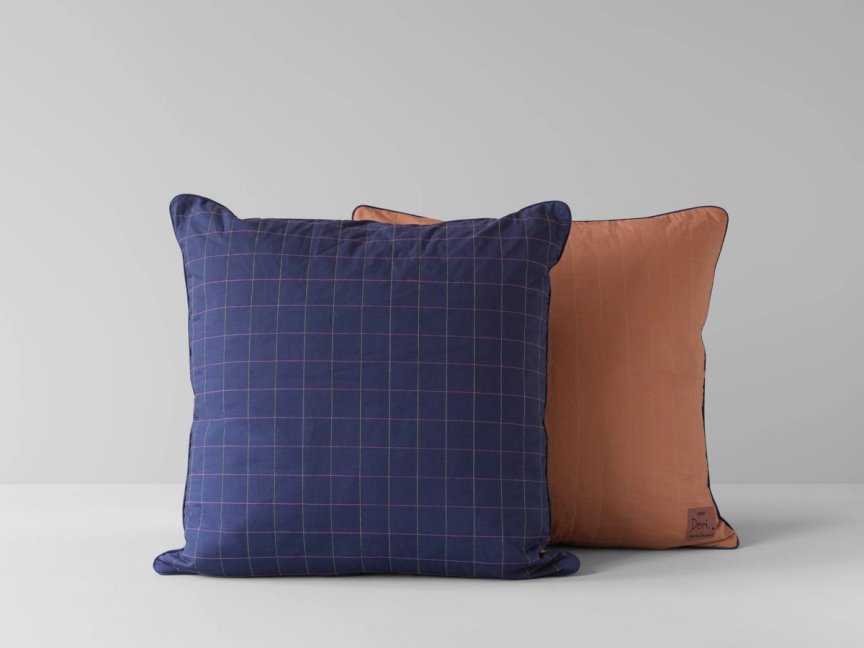
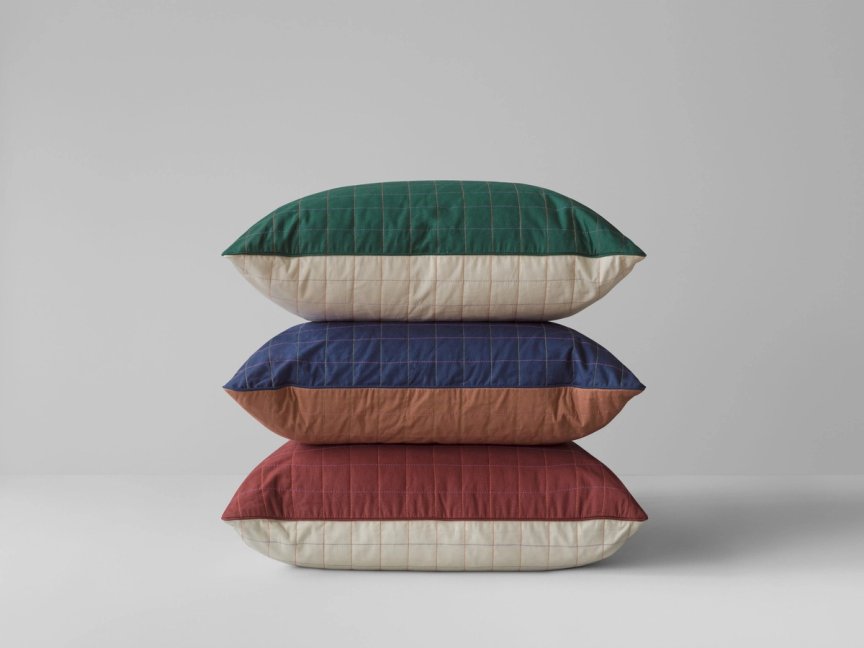
Dori cushions show the two-tone construction of the collection, with contrasting embroidered grids continuing across each colour field. The reversible design allows different combinations of colour to appear through use.
DORI IN THE BARBICAN
(Fig 2)

DORI IN THE BARBICAN

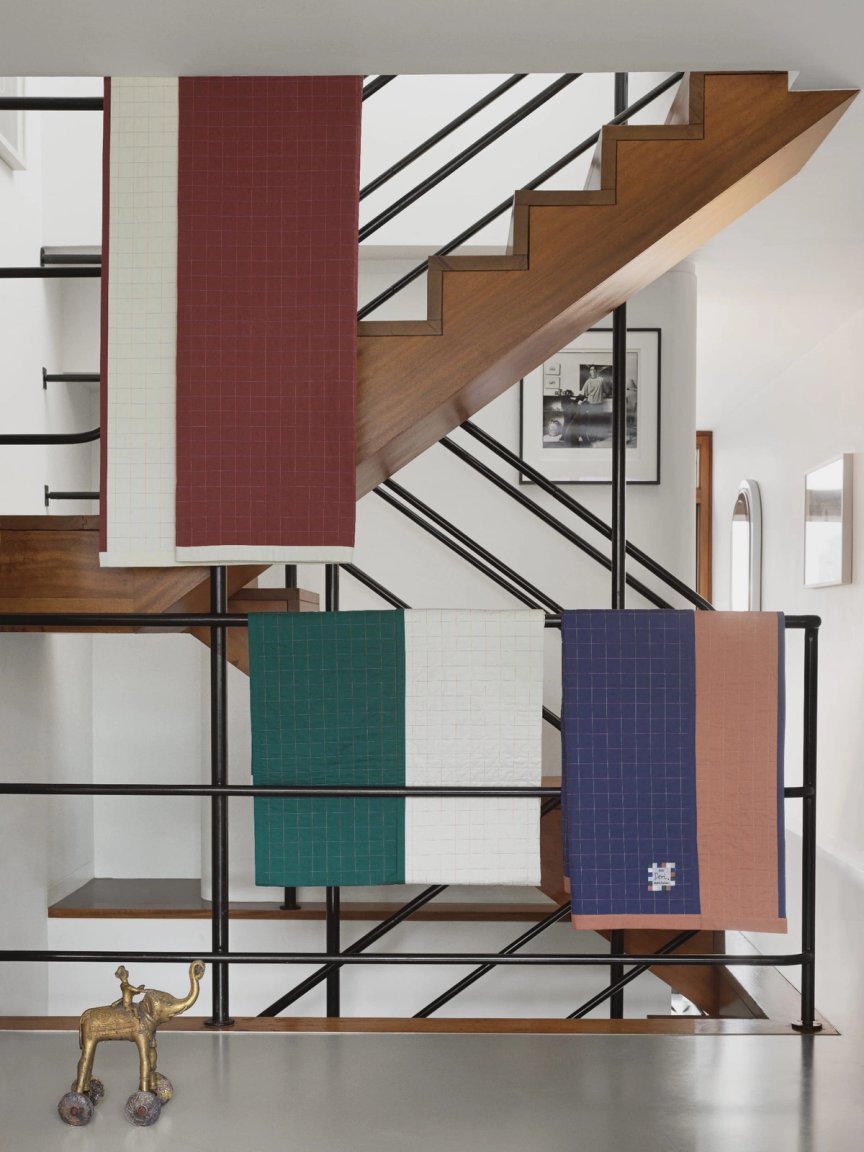
Dori bedspreads photographed in the Barbican home of Doshi Levien. Draped over the architecture, the textiles reveal the contrasting colour fields, borders and grid from both sides.
MAKING OF DORI
(Fig 3)

MAKING OF DORI

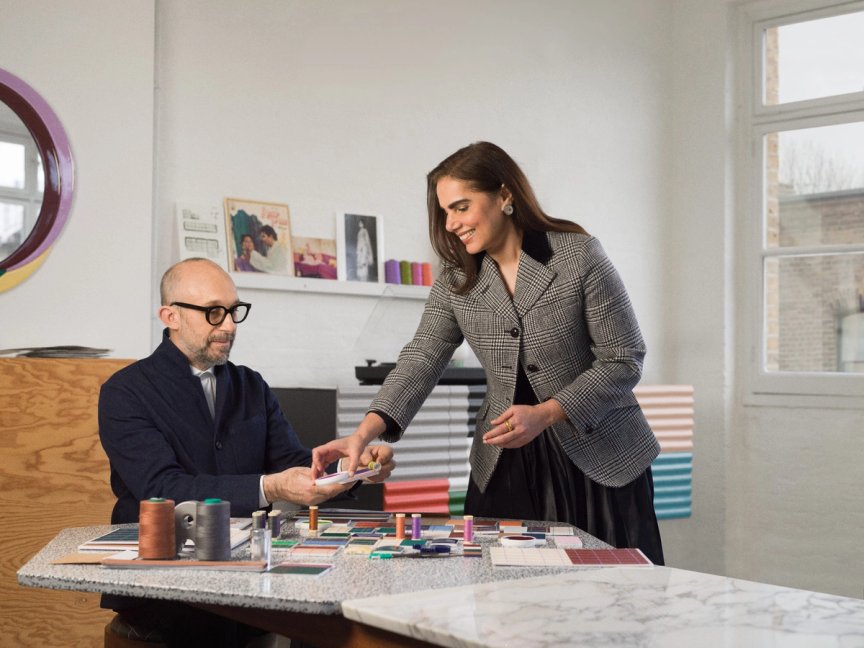
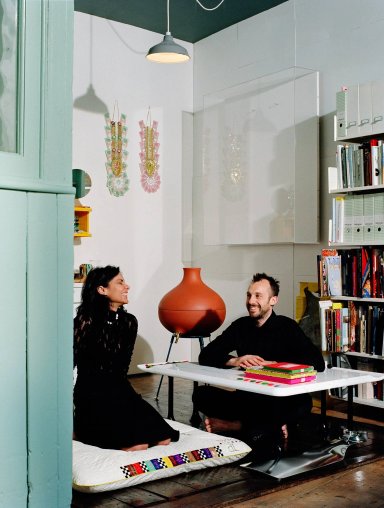
Jonathan Levien and Nipa Doshi developing Dori in the London studio. Colour cards, threads and textile samples were brought together to test the relationship between the cotton ground and the fine embroidered grid.
COLOUR STUDIES
(Fig 4)

COLOUR STUDIES

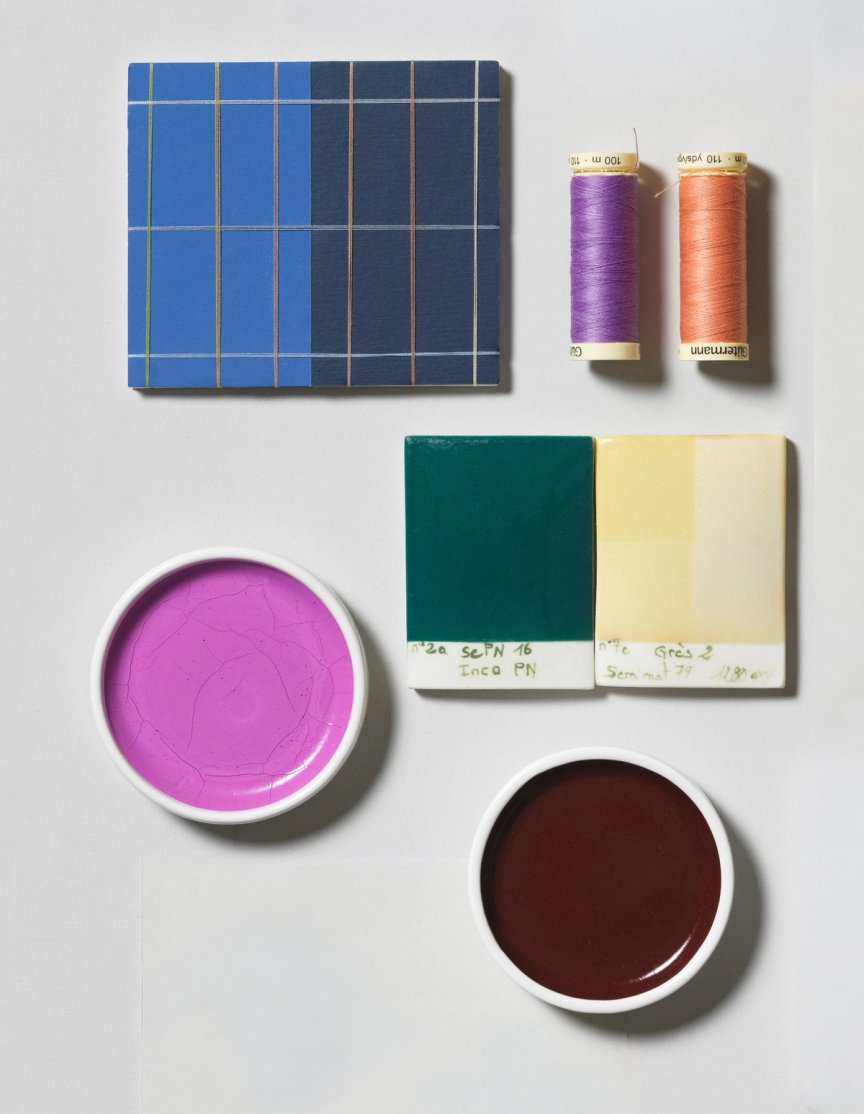
Colour studies for Dori, combining two-tone grounds with contrasting embroidery threads. Working with physical samples allowed Nipa Doshi to judge the intensity of fine thread colours against larger fields of colour.
    REVERSIBLE COLOUR
(Fig 5)

REVERSIBLE COLOUR

The cushion brings the reversible construction of Dori into a smaller format. Each side combines a different cotton ground with fine contrasting stitch lines, allowing the colour relationship to change when the cushion is turned.
DORI BEDSPREAD
(Fig 6)

DORI BEDSPREAD

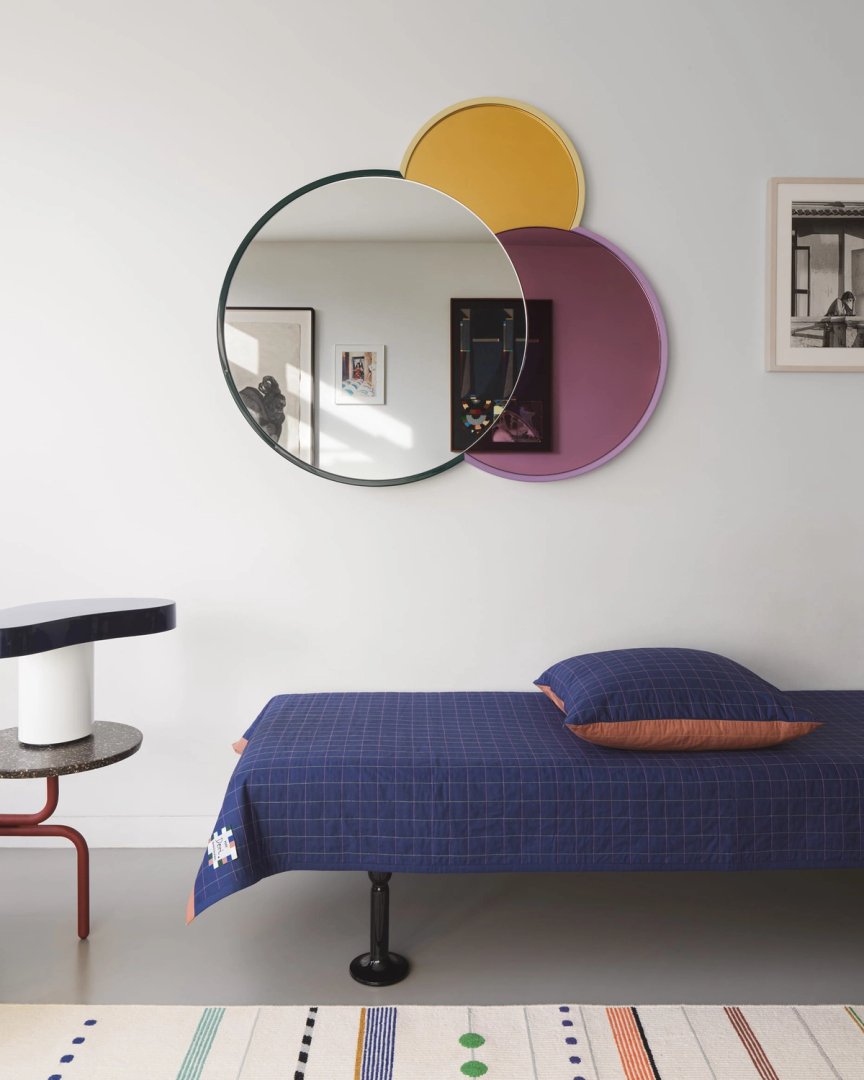
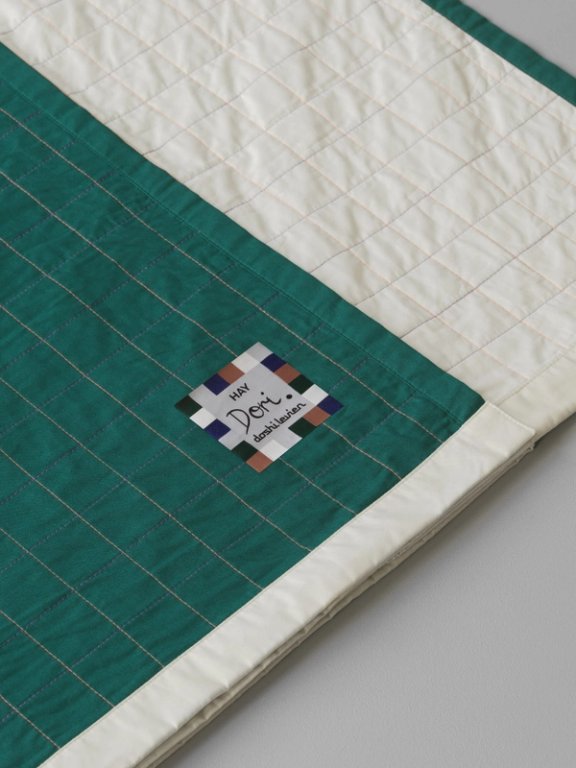
Dori covering the Charpoy in the Barbican home of Doshi Levien. An embroidered label carries the word “Dori” in Nipa Doshi’s hand-painted lettering, adding a personal detail to the collection.
SURFACE AND EDGE
(Fig 7)

SURFACE AND EDGE

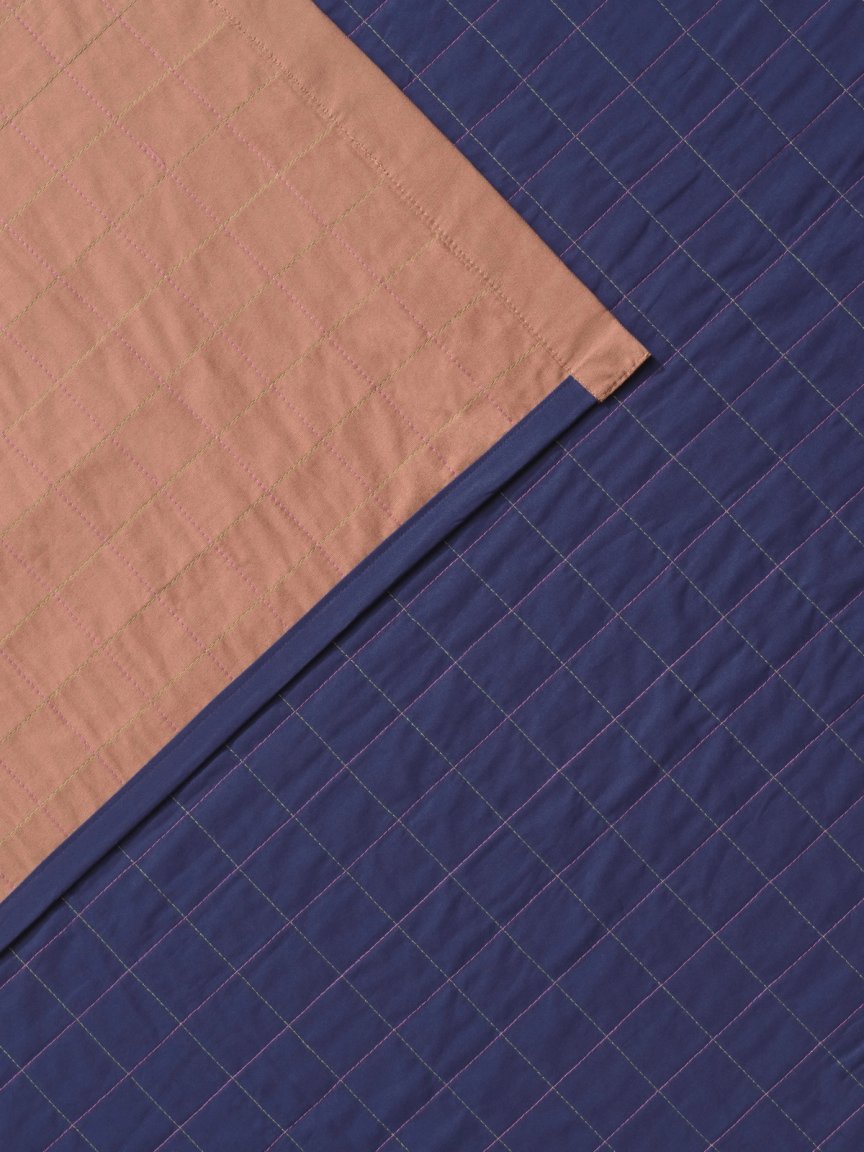
A detail of the blue and terracotta Dori bedspread showing the relationship between its two colour fields. Contrasting embroidery runs across both sides, while the border marks the transition between them.
49 Columbia Road, London, E2 7RG
@doshilevien
>
/ mail@doshilevien.com
+44 (0)20 7739 3631
© Doshi Levien 2026