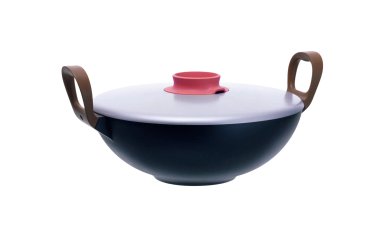
Mosaic
Tefal
2003
Cookware
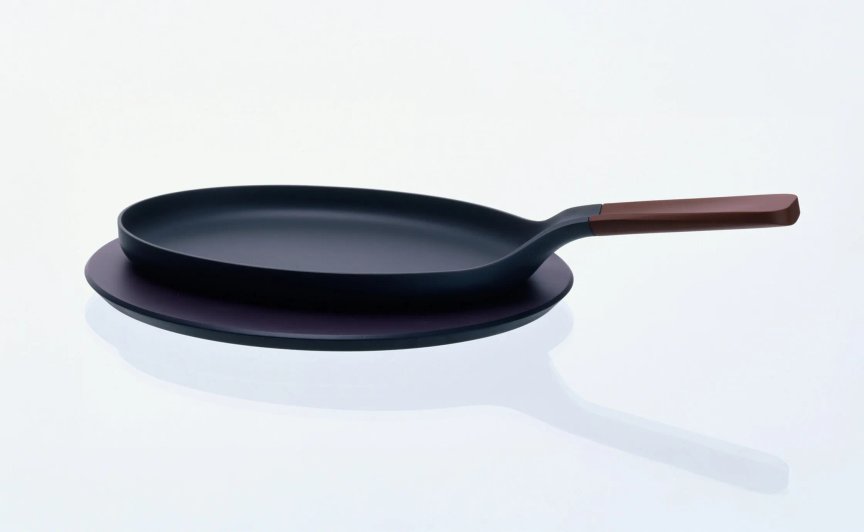
On a research trip to India, Doshi Levien saw an opportunity to create cookware designed specifically for local cooking traditions. The studio returned with a proposal for Tefal: to develop a range that reflected the ways people cook in different cultures. Tefal responded by turning the idea around, asking the designers to instead create global cookware for European markets – pieces informed by the studio's cultural research, intended for a broad audience.
Six weeks of study followed, involving food writers, chefs, traditional cookware and London’s specialist markets, all representing diverse communities. The aim remained to retain the practical and visual characteristics of archetypal cookware, while using materials suited to contemporary appliances. A terracotta tagine cannot be used safely on a gas hob, for instance, and an Indian karhai typically has metal handles that become too hot for this appliance.
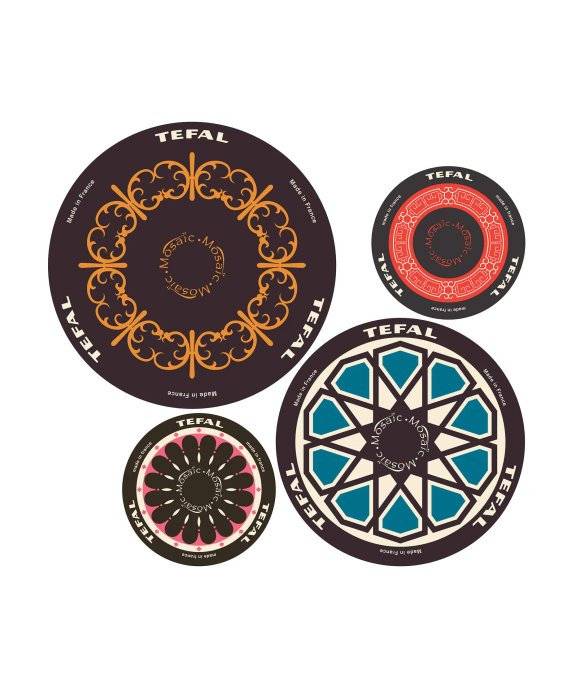
Doshi Levien worked to redefine Tefal’s non-stick coating as a prestigious material and to make mass-produced objects feel custom-made. Each pot expresses a clear cultural identity through material, colour and the variant Tefal marques designed for the bases.
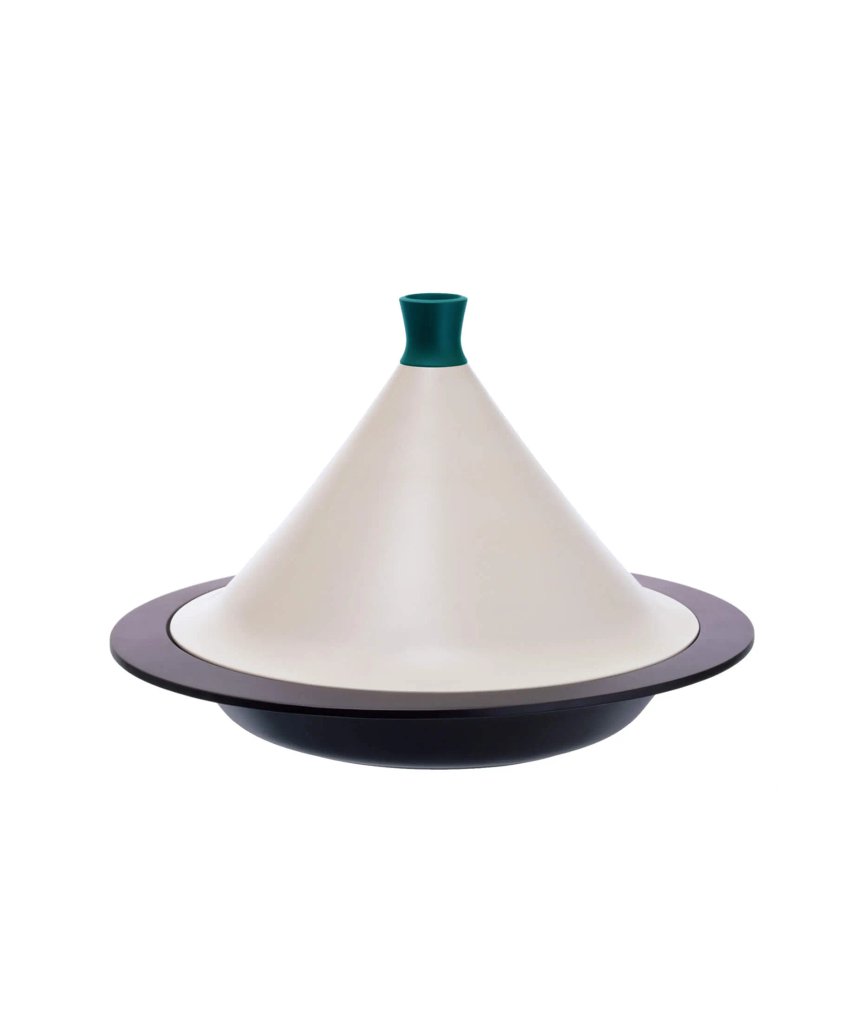
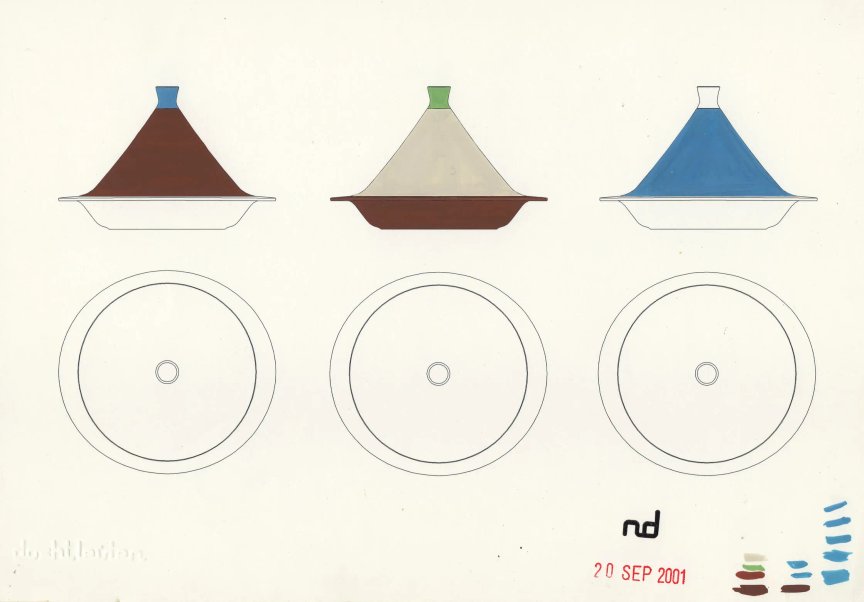
TAGINE WITH CERAMIC LID AND ALUMINIUM BASE
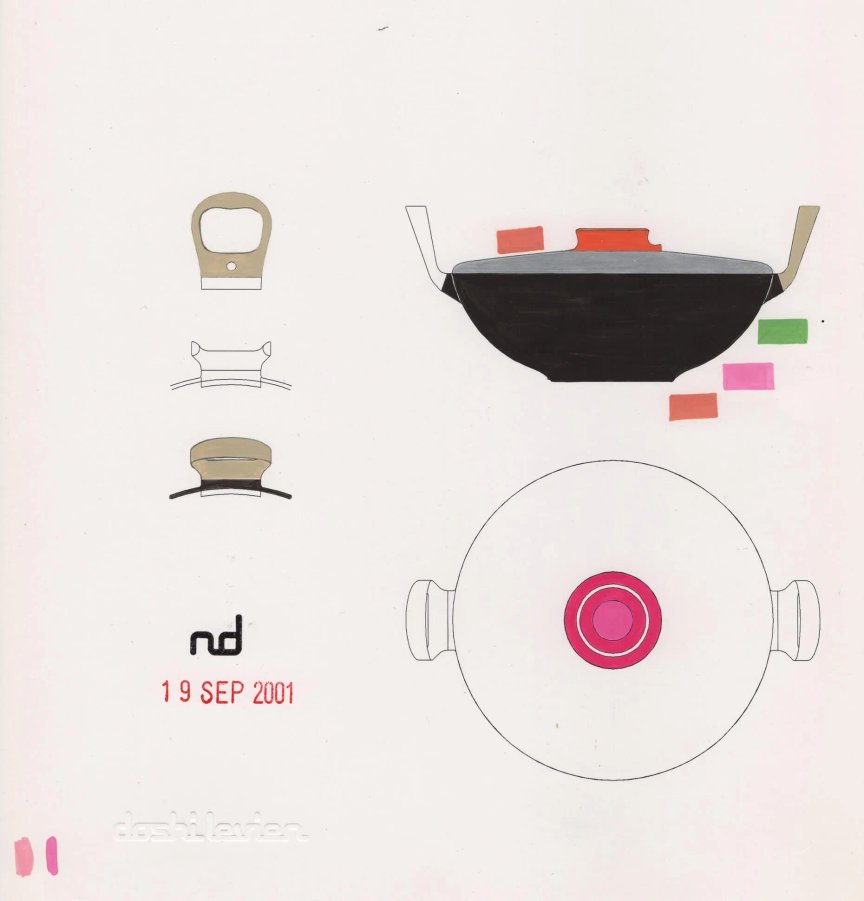
THE INDIAN KARHAI RE-IMAGINED
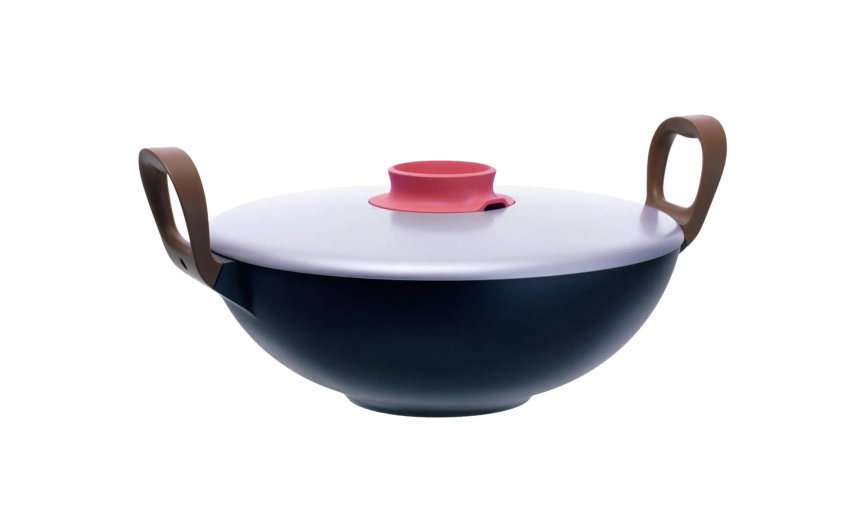
INDUSTRIAL CRAFTSMANSHIP
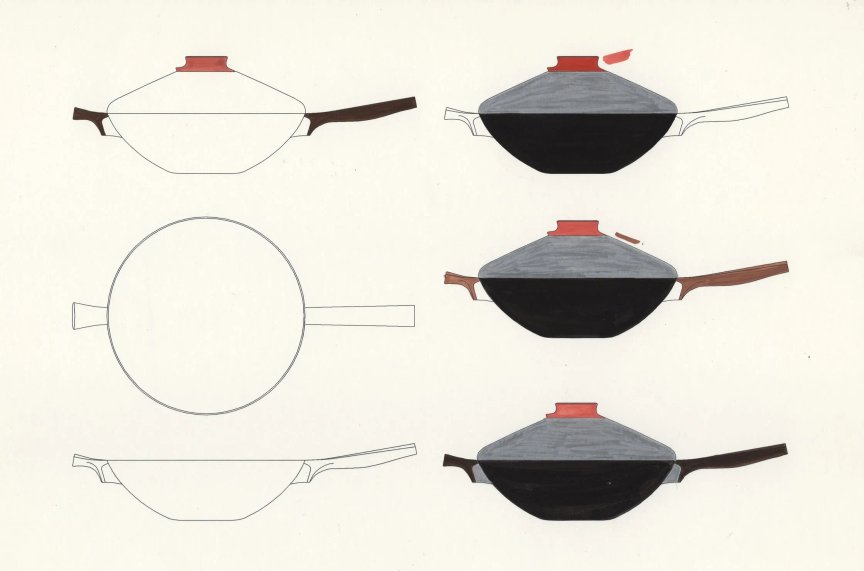
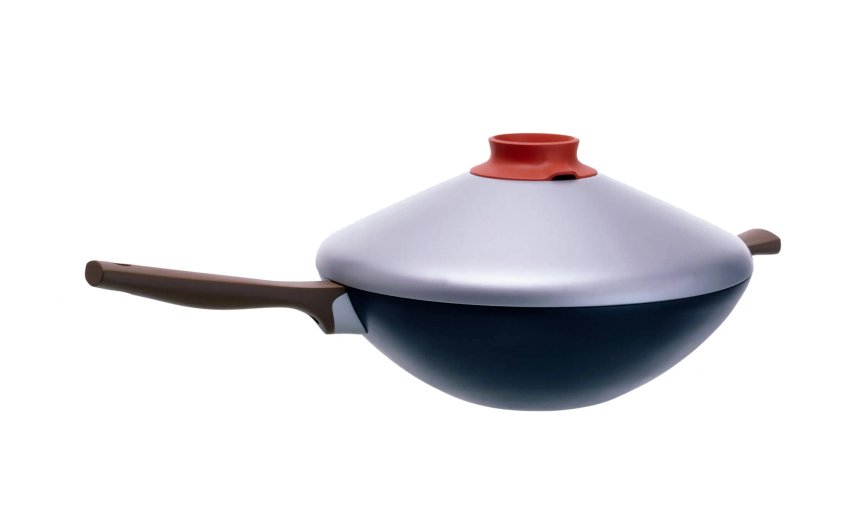
THE WOK
.webp?w=384&q=85&fit=max&auto=format)