Opposites Attract
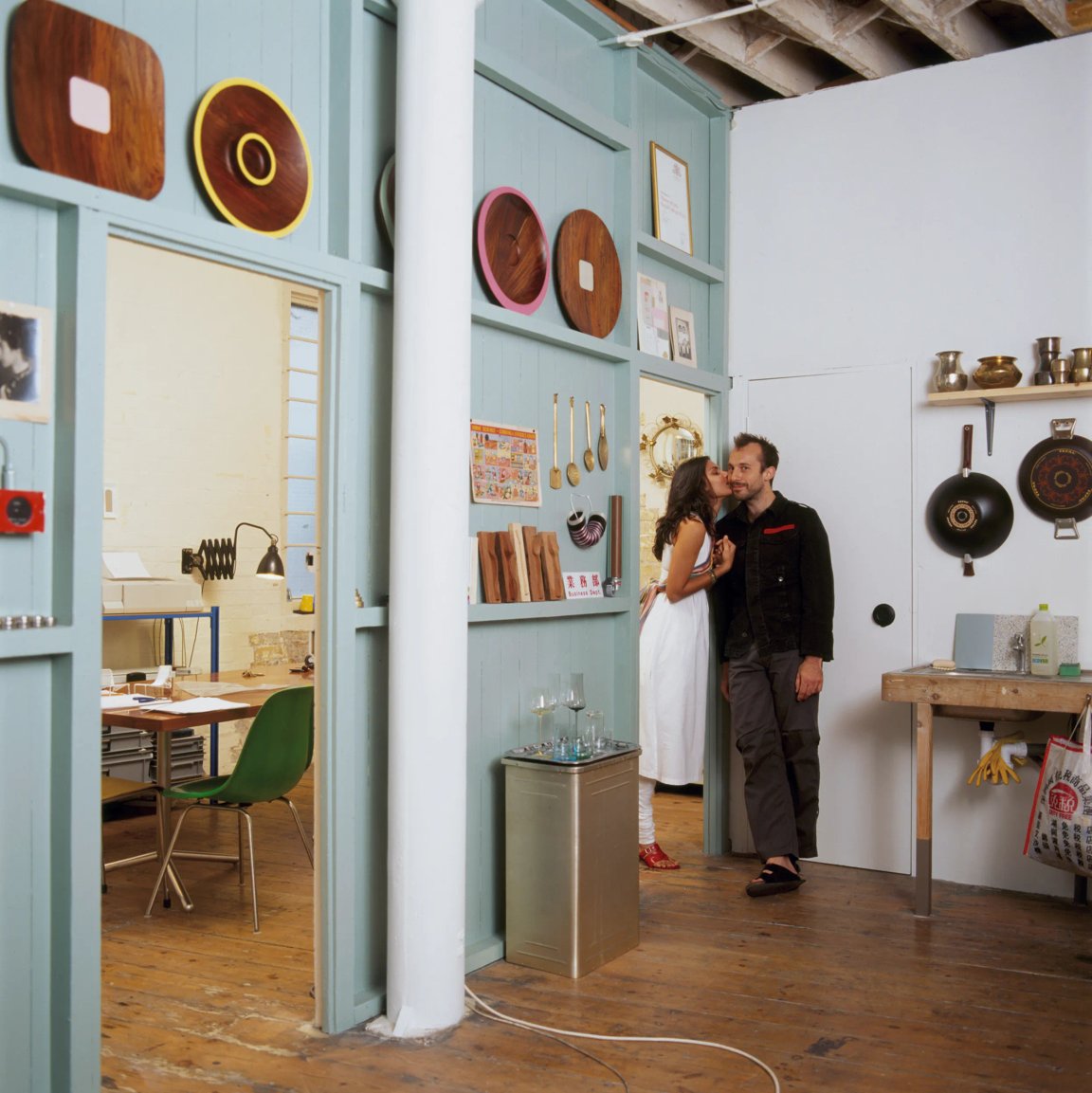
Nipa Doshi and Jonathan Levien
Despite bearing all the hallmarks of the trendy east London set, up-and-coming designers Doshi Levien have loftier ideals. Henrietta Thompson found out how they differ from the pack.
You would be forgiven for thinking that if a design company fits certain criteria these days, it's got an easy ride. If it's young, has a studio in London’s East End, comes from a quirky background, and/or its proponents were trained at Central St Martins (or Kingston, or the Royal College of Art), then it will be in the design magazines, and its stuff will be sold in Habitat. lt’s an insta-career – just add Corian.
You'd be forgiven for thinking that because yes, that is about the size of it. It's the perfect pitch: a new young design team in east London with a fresh perspective. It's where much of the interesting talent has been coming from for the past 10 years. I for one am a bit bored of it though, and I'm positive I'm not the only one. So, when I came across Doshi Levien, it was with reluctance that I was seduced by the quality of the pair’s work. I tried to persuade them to relocate from E1, but they wouldn't. And they refused to lie about their background and education too, even for the benefit of the cutting edge (but they are fast coming on to the radar, and at Blueprint, we have to make sure we pick up on it first).
Thus, we present Doshi Levien: in a trendy studio near Spitalfields Market, a young married couple who met at the Royal College of Art during their studies. What is different and original about Doshi Levien's brand of industrial design is, ironically, its commerciality. It has a very wide appeal, yet at the same time could never be described as minimal or low-key – the two things that all-things-Conran aspire to. Instead, and a welcome antithesis it is too, Doshi Levien's products combine contemporary aesthetics and high-volume modern production methods with ethnicity and craft. Giving industrial design emotional value has long been talked about, but beyond short-lived witticisms, small batch projects, and student prototypes, we are yet to see much of it outside the lighting and computing sectors. We’ve had design that is “accessible”, sure, but that is not the same as design that works with our human instincts on an emotional level. In the same breath, I could easily lament the dearth of women in industrial design, but that would be giving in to cliche.
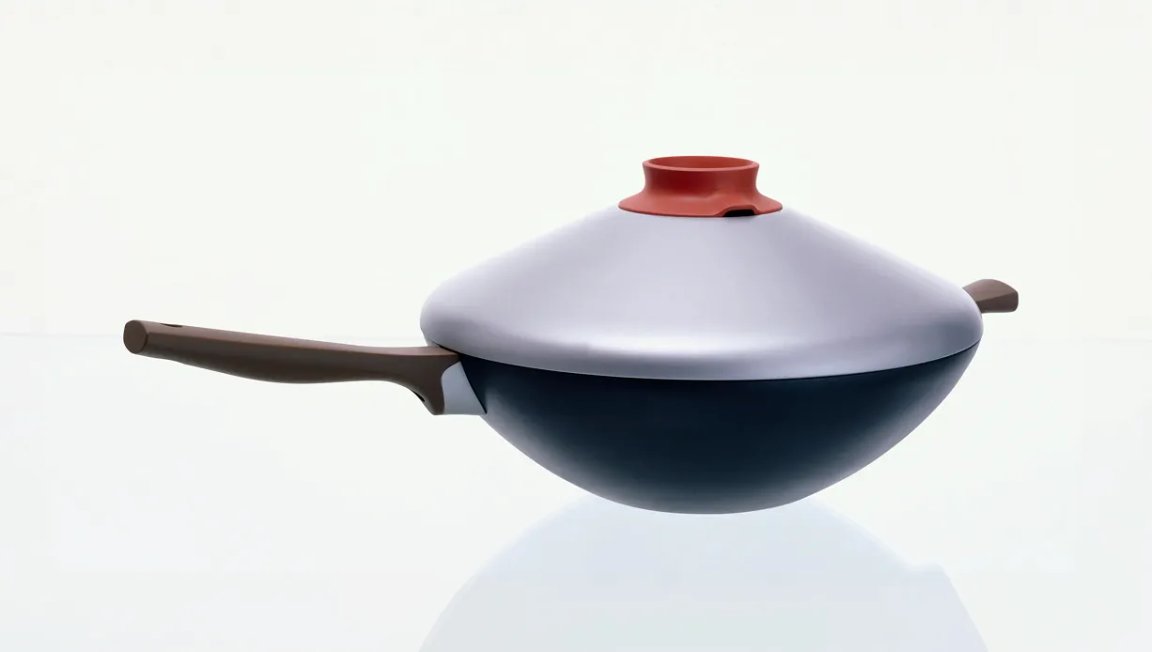
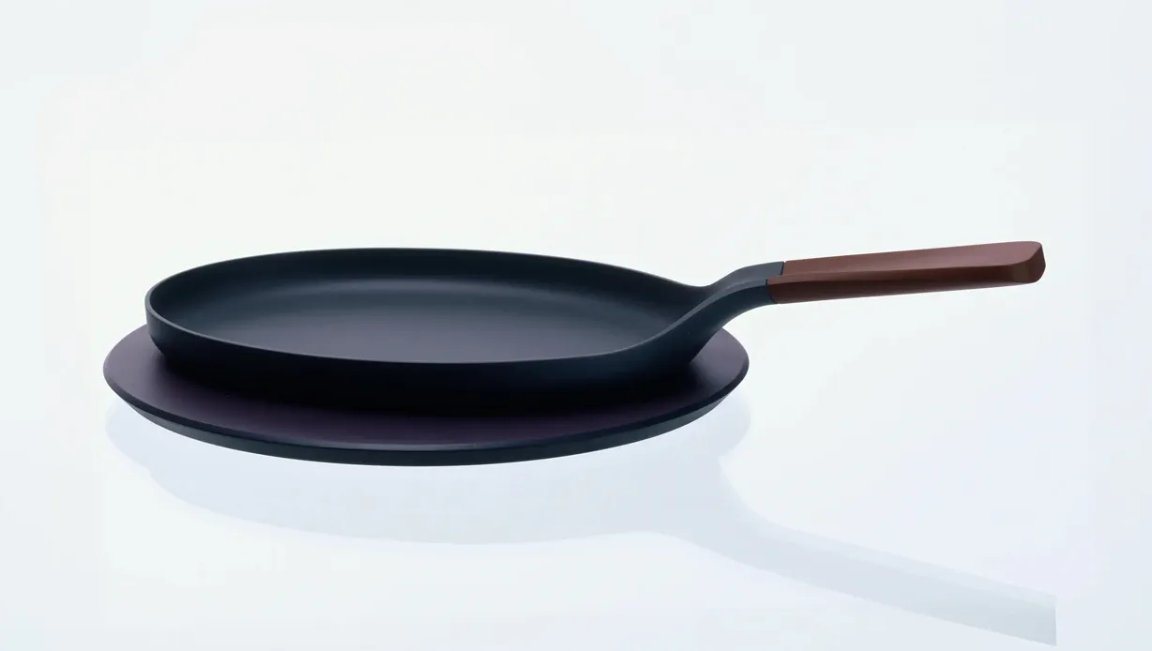
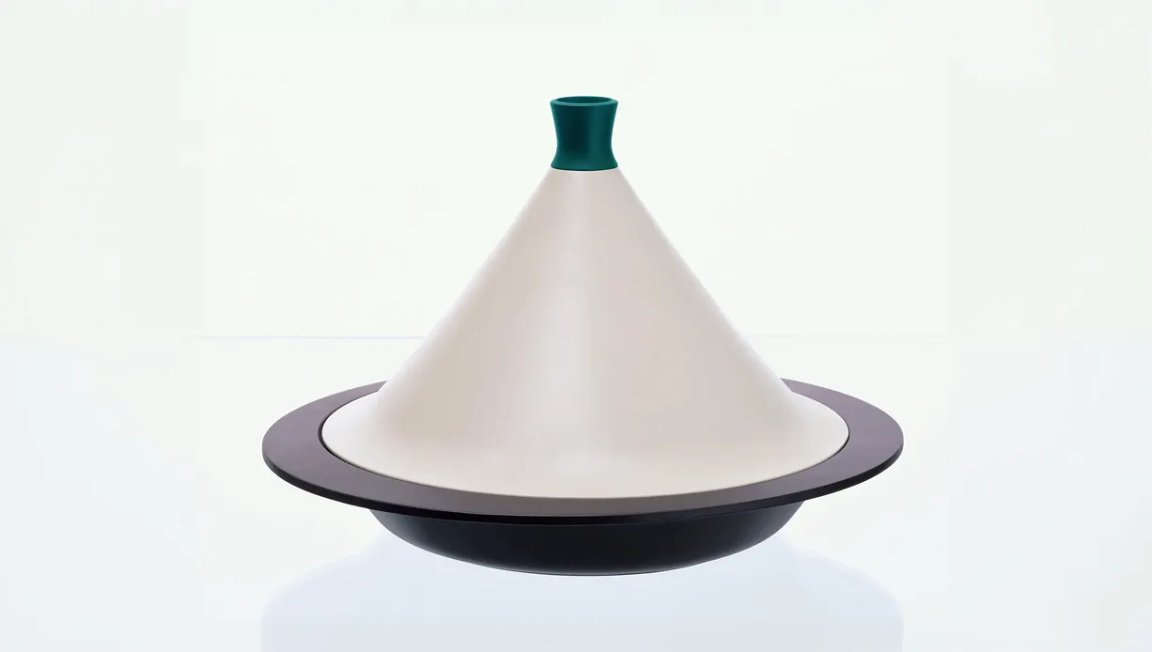
Doshi Levien’s kitchenware range for Tefal
Nipa Doshi, the female half of Doshi Levien, grew up in India and studied design at Ahmedabad before moving to London to further her skills. Jonathan Levien began cabinet making before doing the same. They met, graduated, got on with their lives (Doshi returned to practice work in India, came back, worked with SCP and David Chipperfield, while Levien worked for Ross Lovegrove), reunited, married, set up shop together and got a commission from Tom Dixon for Habitat.
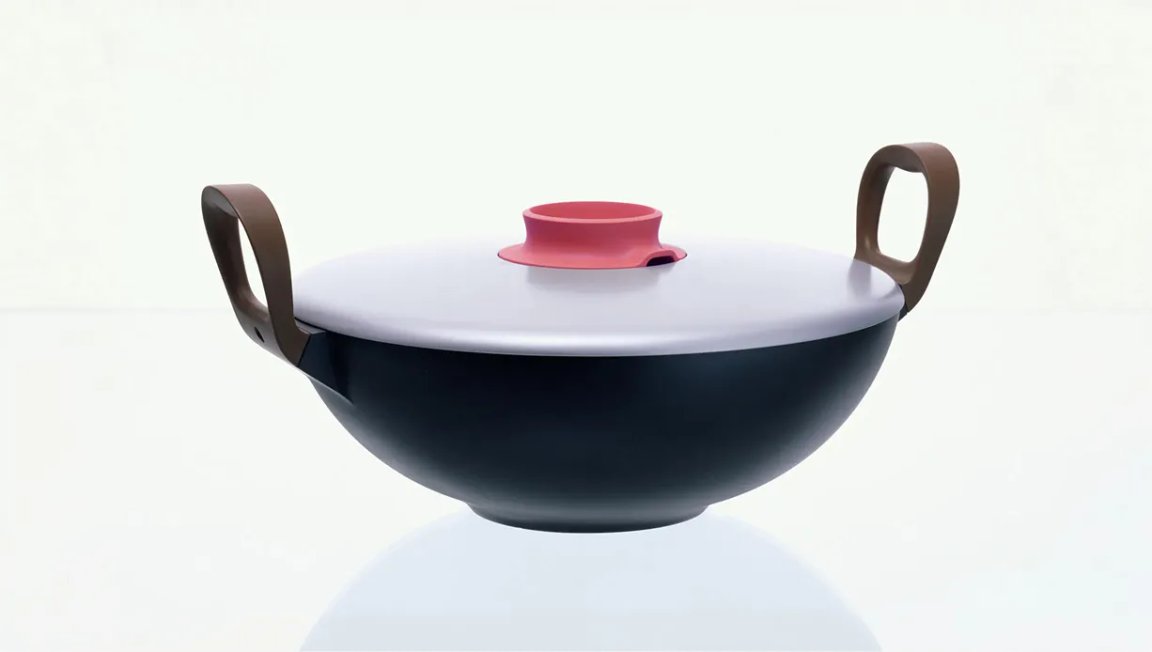
That was two years ago. Since then, they have designed tableware produced in China, cookware for Tefal in France, and an office furniture system for a company in Hong Kong. This autumn, Tefal is launching worldwide its second tranche of pots. Designed for cooking Asian, African and Latin-American cuisine and involving six weeks of “food research” in London (it's a tough job), each item in the range expresses a strong cultural identity through material, colour, and the varying translations of the Tefal marque on the base. In a way, this is the designers’ most important project to date, because it represents every aspect of the Doshi Levien approach.
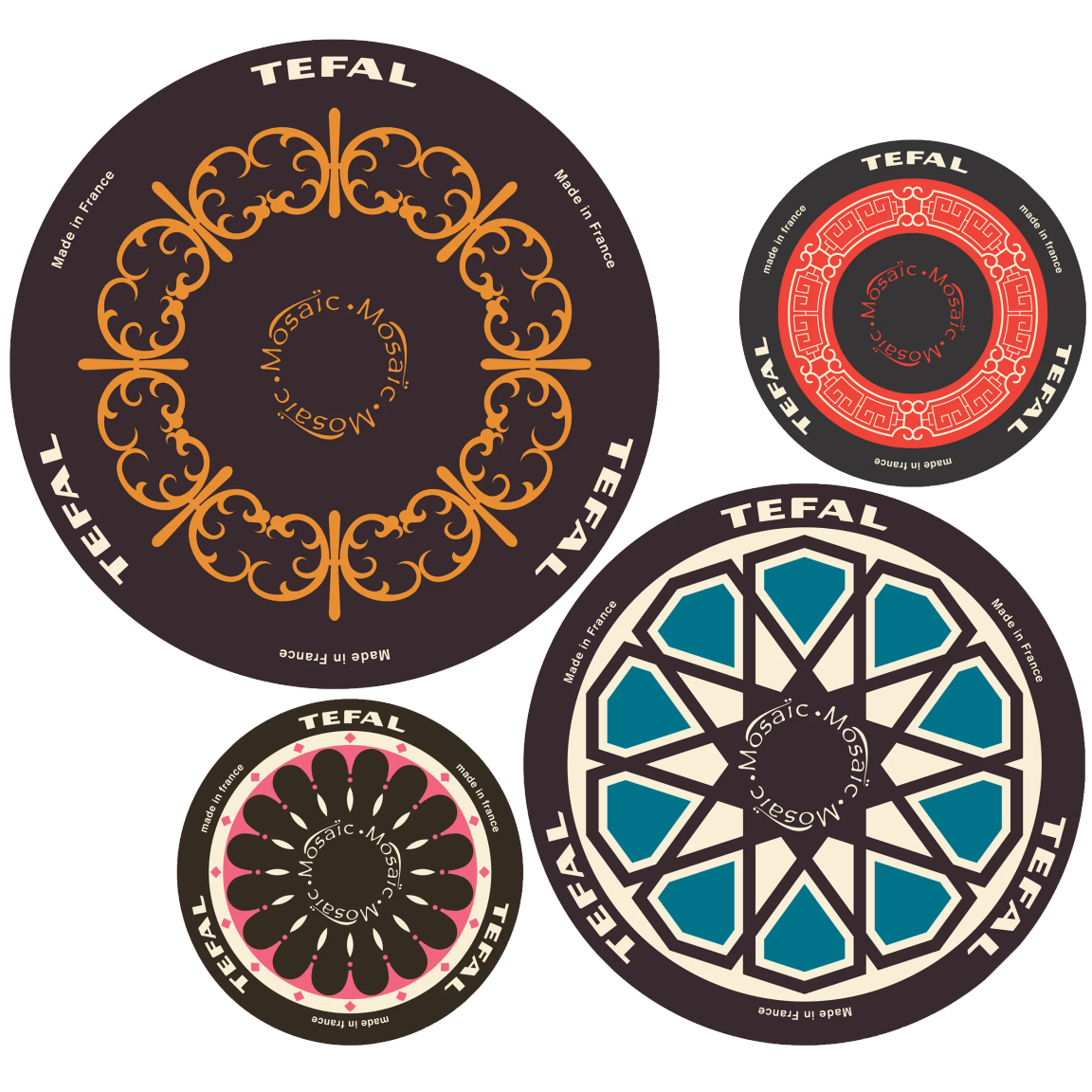
Doshi Levien's kitchenware range for Tefal
The approach is easy to recognise, being all to do with complementary opposites: male meets female; East meets West; old-fashioned elegance meets advanced manufacturing technology. In one experimental project, the pair designed a set of luggage, which drew inspiration from high-quality vintage travel cases. In shapes, colours and materials that together evoke thoughts of steam engines and porters and handkerchiefs fluttering goodbye, the range has been entirely created with contemporary travel and aesthetics in mind. The results are eccentric but still classic and have a broad appeal. “Nipa and I approached this project from different perspectives,” explains Levien. “While Nipa was dreaming about the visual feeling the luggage should have, I was thinking in terms of construction and performance. We have different skills that partially overlap. An idea will come to one of us. but it's the dialogue with the other person that completes the picture.”
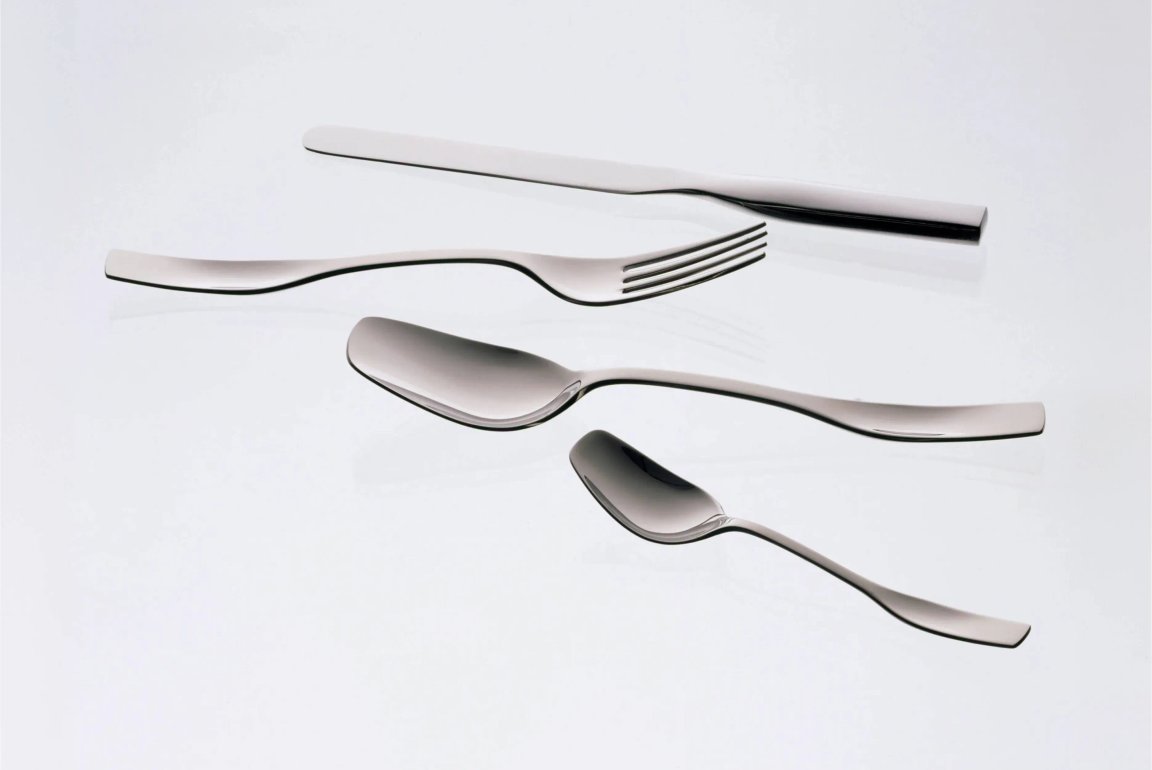
The Swallow cutlery range
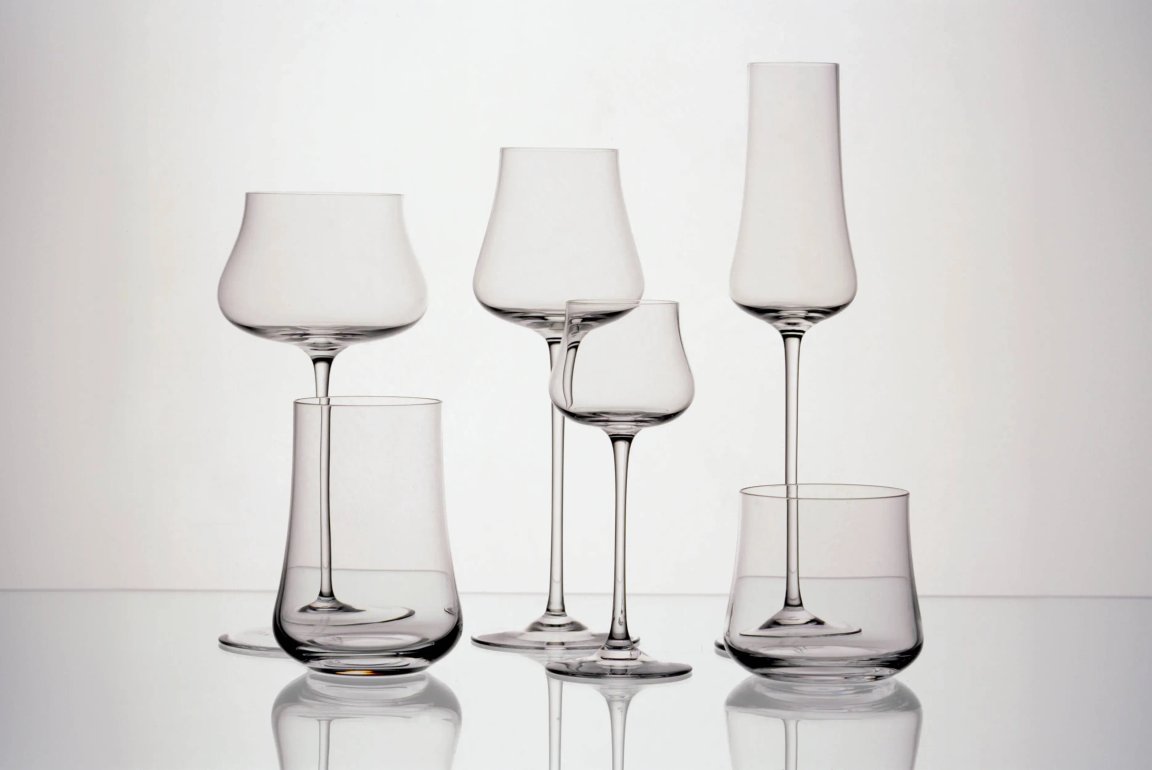
Melba glasses design
As for any “Eurasian” interpretation of their practice, Doshi Levien is wisely resisting the label. “An lndo-European design aesthetic doesn't really exist,” says Doshi. “However, what I want to challenge is the cliched stereotyping of India, which is limited to a stylistic parody of Bollywood kitsch and curry houses. I am trying to represent my culture in all its complexity and sophistication. For example, the contradiction of a tin-roofed mud house shacked up against a glass skyscraper; a cow and cycle rickshaw fighting for space with a Mercedes Benz on a main road; a bright, highly embellished tribal outfit set against the barren desert landscape. I would like to bring some of this friction and incongruity to European design.” There is a good reason, therefore, why the pair have based themselves in Spitalfields. “We are situated on the fault line between the Bangladeshi community near Brick Lane and the City,” says Doshi. “This is what we love about this area: the friction between different communities, obvious and yet seamless. I was wearing a lungi (Indian for kilt) on a very hot day and a Bangladeshi boy from the estate said: ‘What are you wearing?’ I replied: ‘I am wearing a lungi.’ He said: ‘How do you know that?’ He was testing me!” Doshi and Levien are themselves an example of the attraction of opposites that pervades their work. “We have very contrasting memories and experiences,” asserts Levien, “but grew up to the same Eighties music!” By way of influences, “I love intimate objects like shoes and musical instruments,” he continues. “For me they embody all the ingredients that make me passionate about design: the response to basic human needs, the sculptural forms derived from an understanding of materials in relation to the body, the way a smart pair of shoes can change the way you feel and behave.”
Doshi's contrasting likes and loves are evident in their cluttered studio. “I love the visual landscape of street culture in India,” she explains. “I love everyday objects which have a strong cultural and emotional significance like the Iota, the ubiquitous water vessel found in every Indian home; the mythical and magical world of Indian film – the fantasy in stark contrast to the reality. I love my cheap, colourful plastic bangles as much as my beautifully crafted jewellery. I am inspired when an east London Bangladeshi girl dresses in her traditional salwar kameez and wears trainers, speaking a mix of Bengali and cockney. That to me is rich and that pushes me on. It challenges my perception of what is ethnic, what is traditional and what is pure. I am inspired when the opposites get together.” Anyone with even the most stubbornly dormant creativity in their bones can go to India and be inspired. But something in the way this pair’s enthusiasm for the culture schlock translates into their work resists the temptation to dismiss it as a mere bug picked up while travelling. “It is our aim to work with top international companies looking to enter the Asian market and help them do so with cultural sensitivity and appropriateness,” says Levien. “We would like to facilitate and encourage a discussion that addresses issues of design, identity and culture in a global manufacturing and branded environment. Somewhere in the rapid industrialisation and imperial colonisation of India, the link between craft, design and culture were lost. We would like to work with craftspeople in India to find a contemporary expression and a sustainable outlet for these indigenous skills. We would like to work with industry and craft so that one may balance the other.” Chances are they've found a magic formula.
.webp?w=1152&q=85&fit=max&auto=format)
Nipa Doshi and Jonathan Levien
- Nipa Doshi