Paper Planes

Moroso

2010

Chair

Description

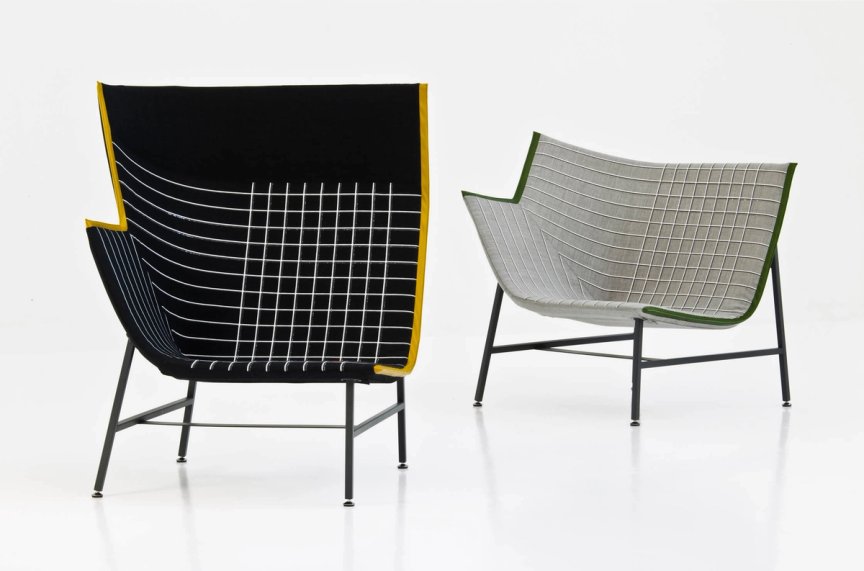
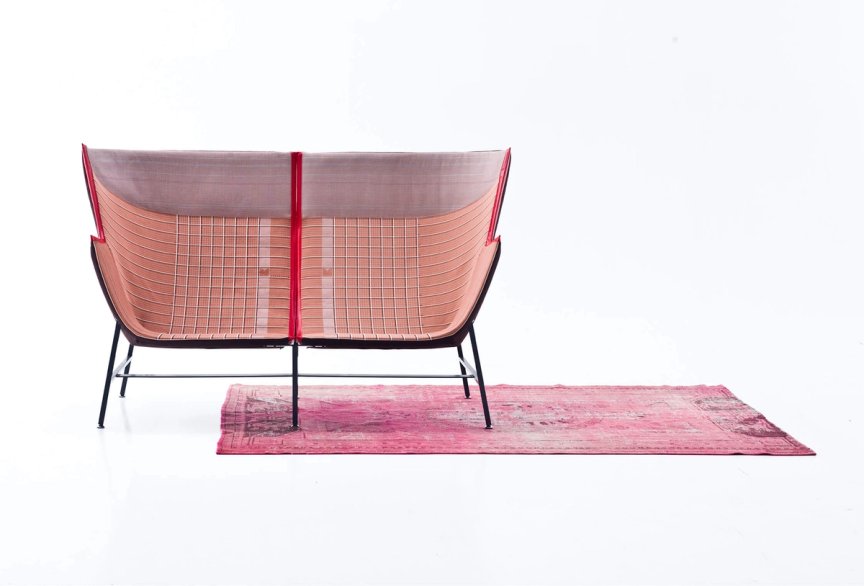
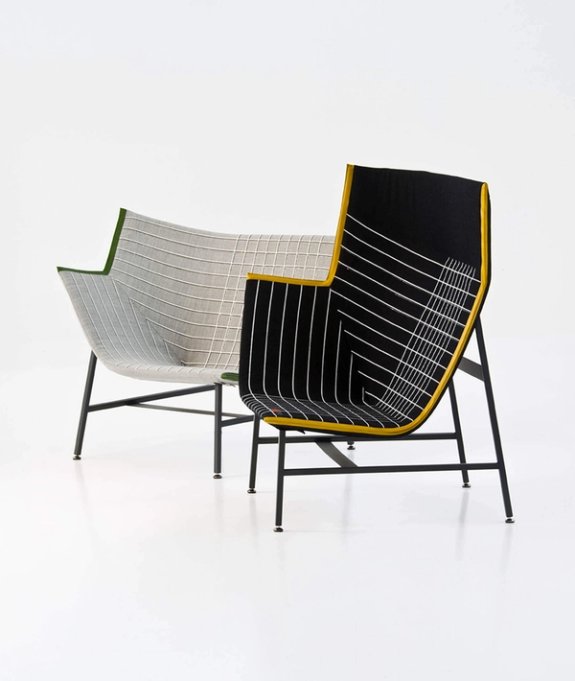
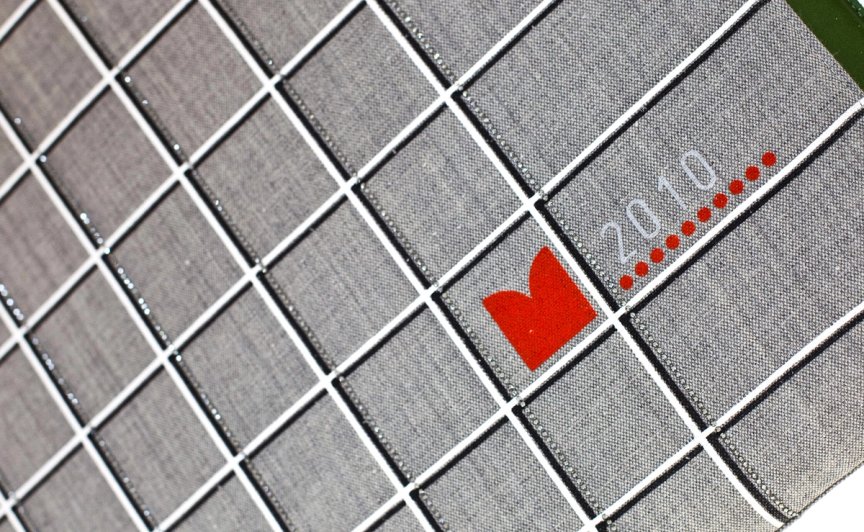
Paper Planes arose from the creation of a fabric that incorporated Swarovski crystal elements. The idea for the fabric came from folded graph paper, which evokes mathematical and scientific imagery in complete contrast to the festive, joyful qualities usually associated with crystals. Doshi Levien created a checked pattern using thin black and white lines, each carrying its own line of crystals. The intention was that the crystals could be integrated into the design so completely that they would become almost invisible, hidden within the checked lines, and then reappear only when light gleams off them.
In developing this fabric, the studio found it was working with a visual language that was architectural and spatial – ornate but not ornamental. As the name Paper Planes suggests, the approach to designing the chair involved folding and forming darts in paper that had been printed with the checked pattern. This process generated a cosy, comfortable reading chair that remains visually light, as if to defeat gravity.

Paper Planes has a steel structure with cold-cured polyurethane foam upholstery. Covers are offered in a printed Kvadrat Remix fabric with Swarovski crystal applications or in jacquard, with both high and low back versions available.
Credits
Photos: Alessandro Paderni
Paper Planes
STARTING WITH THE GRID
(Fig 1)

STARTING WITH THE GRID

The checked fabric is based on graph paper, combining thin black and white lines with aligned rows of Swarovski crystals. The crystals are integrated into the pattern so completely that they remain almost invisible, revealing themselves only when the light gleams across the surface.
FROM 2D PATTERN TO CHAIR
(Fig 2)

FROM 2D PATTERN TO CHAIR

The chair’s form was developed by folding and darting paper printed with the checked design, with this form subsequently poised on a steel structure. In addition to the crystal fabric version, Doshi Levien developed a unique jacquard fabric for Paper Planes.
STUDIO PROTOTYPES
(Fig 3)

STUDIO PROTOTYPES

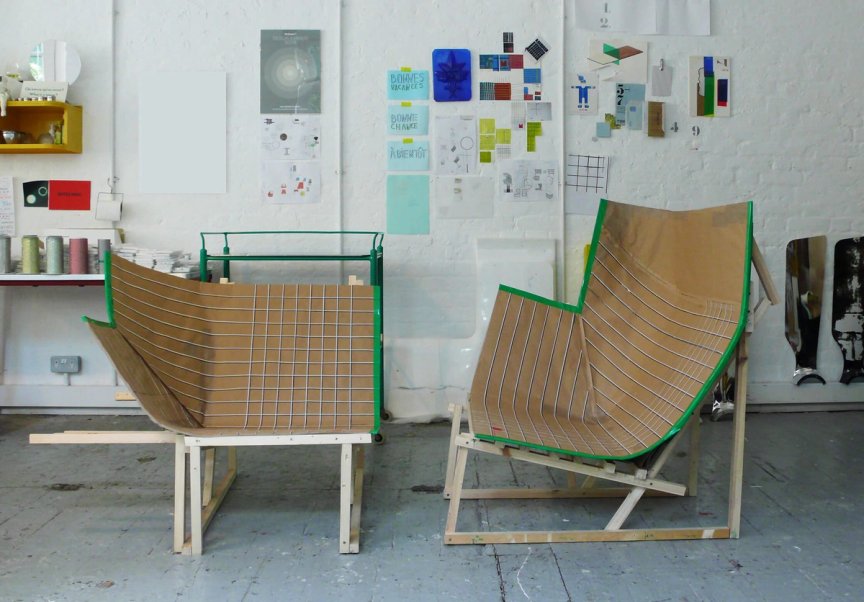
Doshi Levien established the form language for Paper Planes through a series of full-size models. The nuances of the design language were explored by skilled manipulation of the material and by responding to the material’s natural behaviour.
PAPER PLANES IN RUBELLI FABRIC
(Fig 4)

PAPER PLANES IN RUBELLI FABRIC

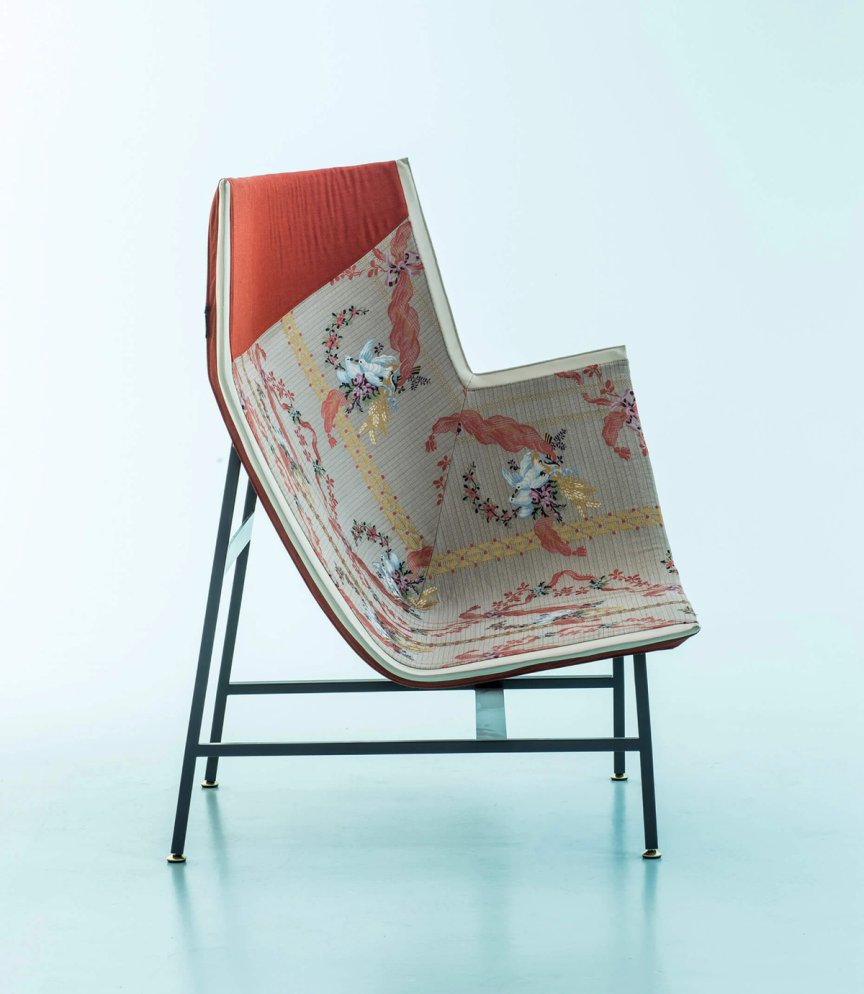
Paper Planes’ geometric form lends itself to the exclusive and sophisticated fabric of Venetian textile company Rubelli.
THE FIRST STEP: A FABRIC DESIGN
(Fig 5)

THE FIRST STEP: A FABRIC DESIGN

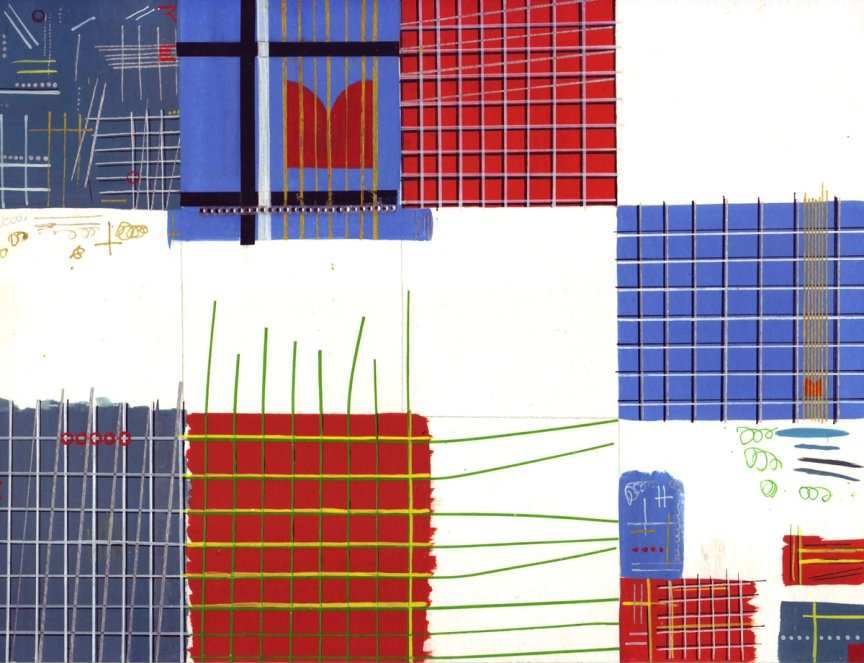
Paper Planes began with a painting by Nipa Doshi, made well before the chair took shape. Once the checkered fabric design was established, the challenge was to form a three-dimensional structure while preserving the clarity of the check.
DOSHI LEVIEN BRINGS PAPER PLANES TO THE BARBICAN
(Fig 7)

DOSHI LEVIEN BRINGS PAPER PLANES TO THE BARBICAN

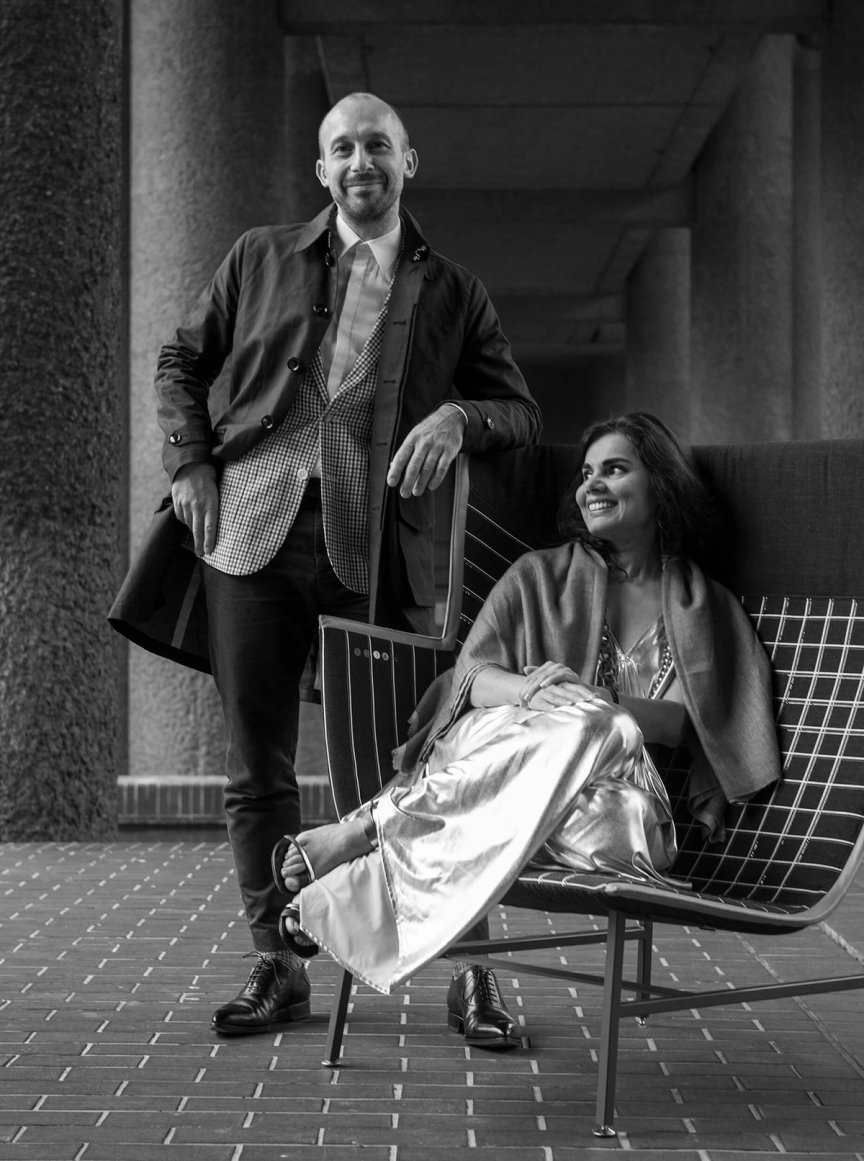
The Barbican’s lakeside pillars provide a dramatic backdrop for this portrait by George Powell.