In conversation
Framing the Body
With Doshi Levien
Shaping presence, posture and experience
Portraits by Jonas Lindström, Alisa Connan
Nipa Doshi and Jonathan Levien reflect on how chairs frame the body –
creating intimate spaces that balance form, comfort and presence.
When people think about chairs, they often focus on practical aspects, but for us, the story begins with the body itself. How a chair frames the body is a way of shaping presence, posture and experience. What do you feel when you sit in a chair? Sitting is an intimate act, and the chair is the intermediary between architecture and the human form. It is this meeting that we try to understand and honour in our designs1.
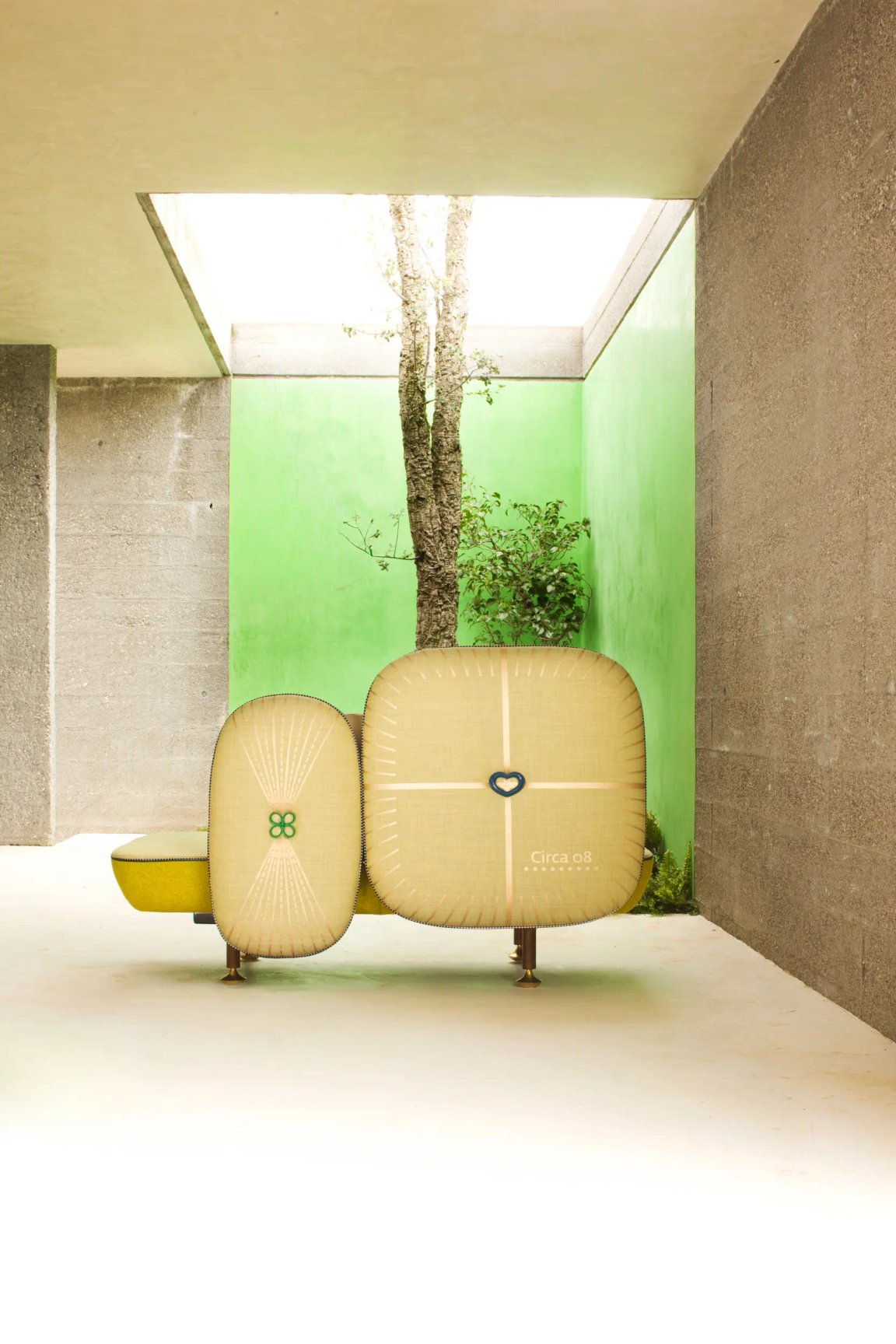
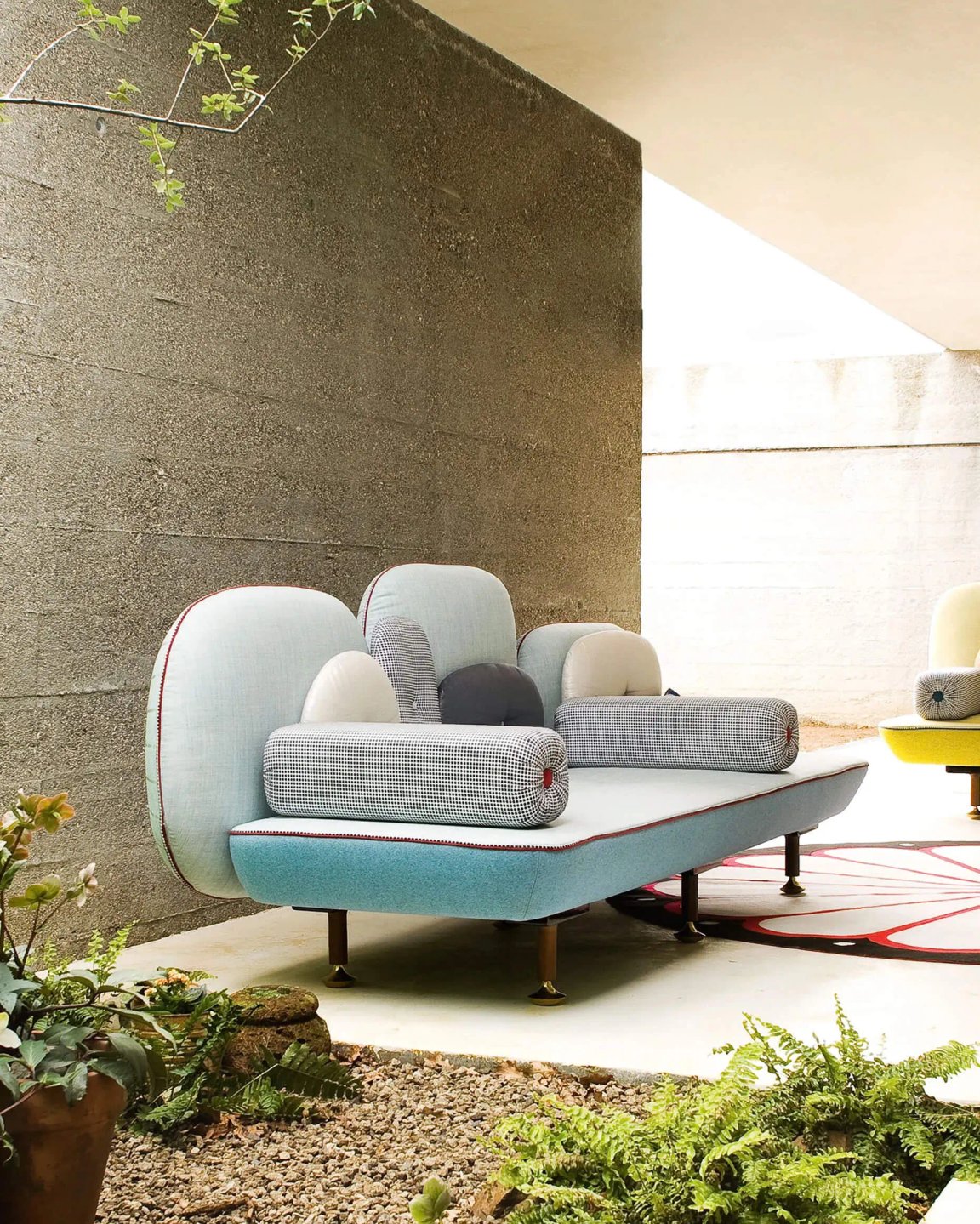
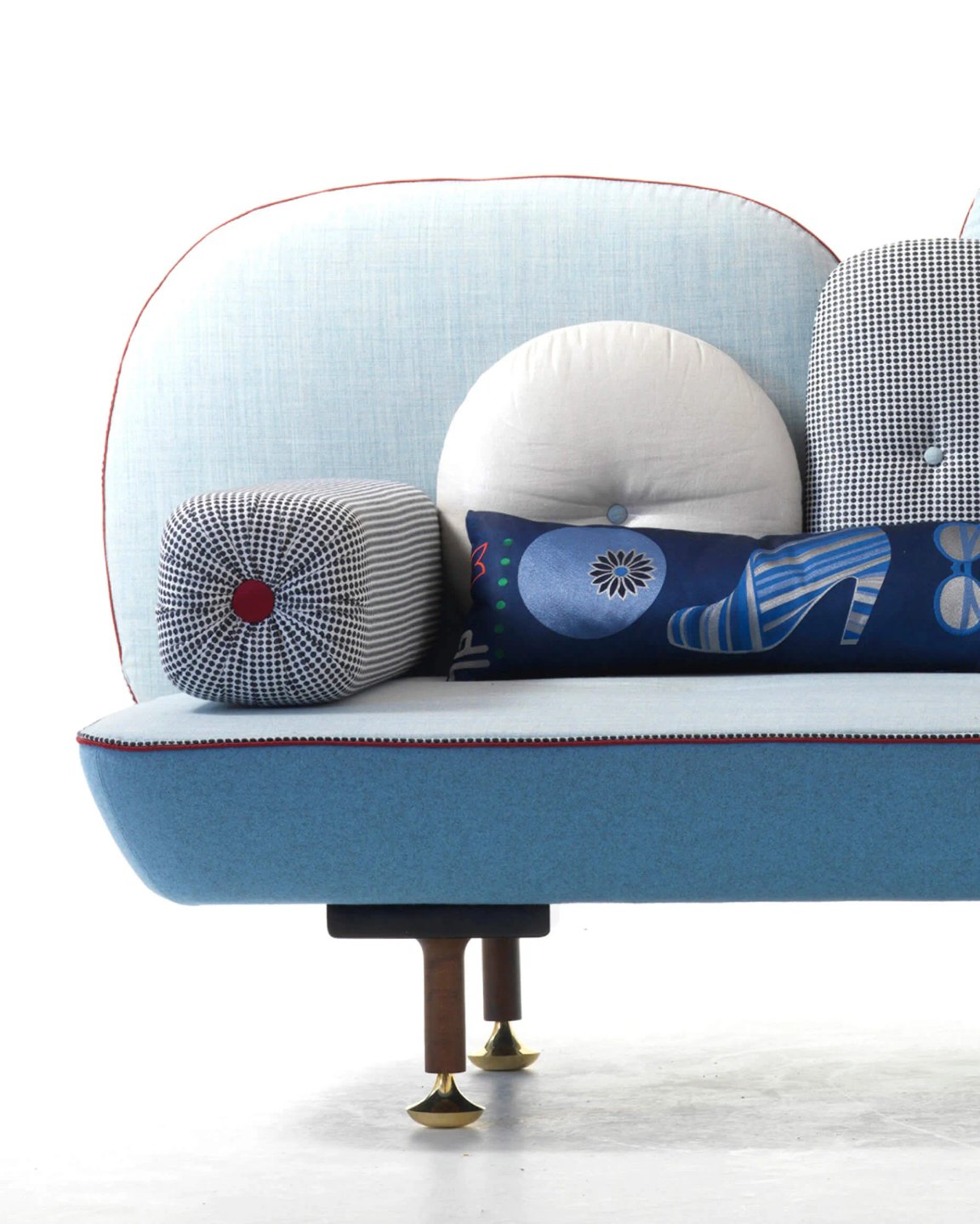
My Beautiful Backside
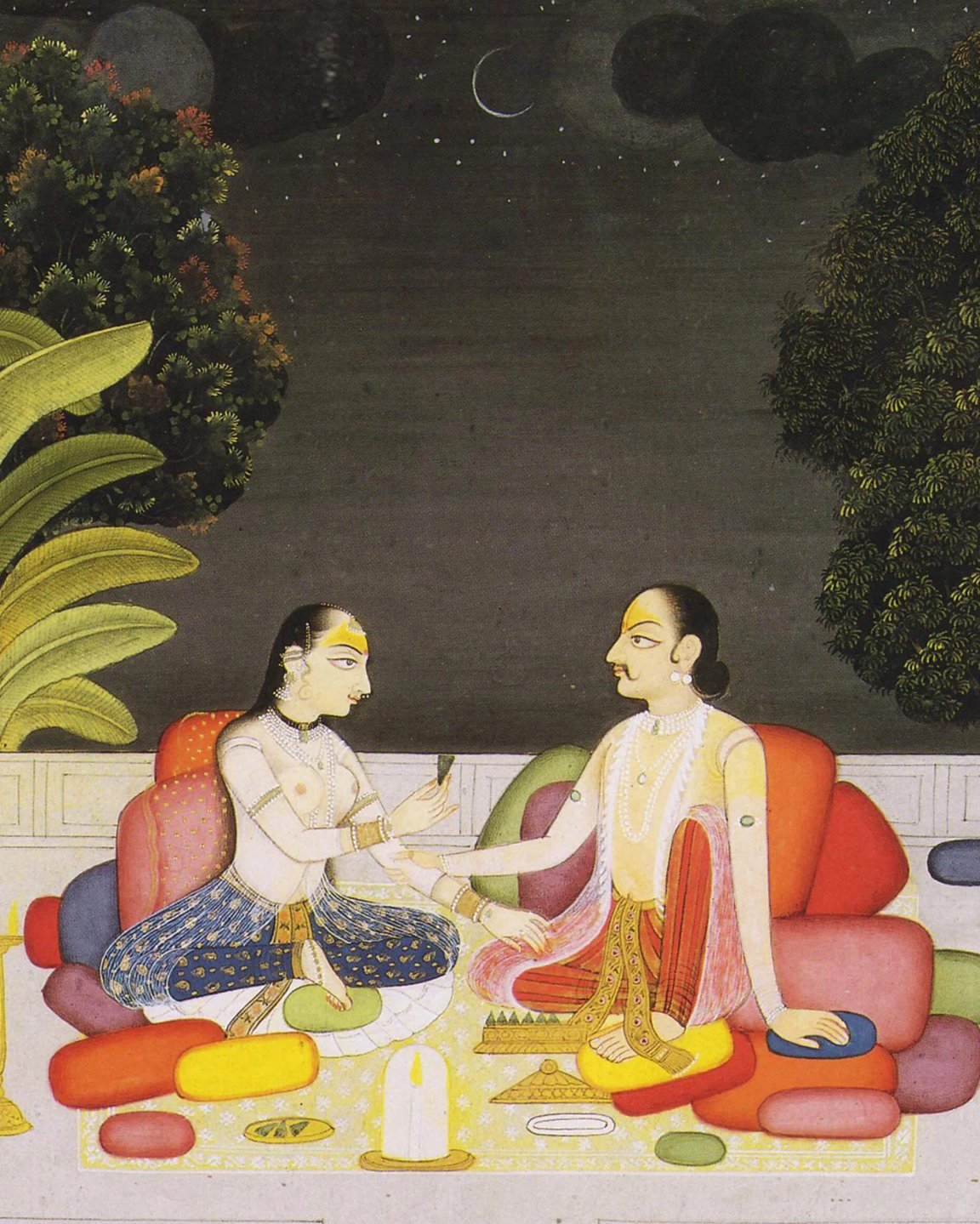
The Garden of Life
When we talk about framing the body, it’s more than physical support – it’s about creating a space that responds to the person sitting in it. It’s an embrace that is both physical and emotional, offering a connection that goes beyond function2. Sometimes that framing amplifies your presence; sometimes it intersects the body, revealing only fragments of the figure.
That idea comes through in Paper Planes3. Its angular, origami-like folds give it a strong visual identity – sharp, deliberate lines that stand in graphic contrast to the soft volume of the human form. There’s a lightness and dynamism to the chair, poised on its scaffold-like metal frame as if caught mid-flight4. It adapts to the sitter’s body, welcoming different postures without dictating how you should be seated. This openness feels generous and inviting, while forming a dialogue with its architectural surroundings.
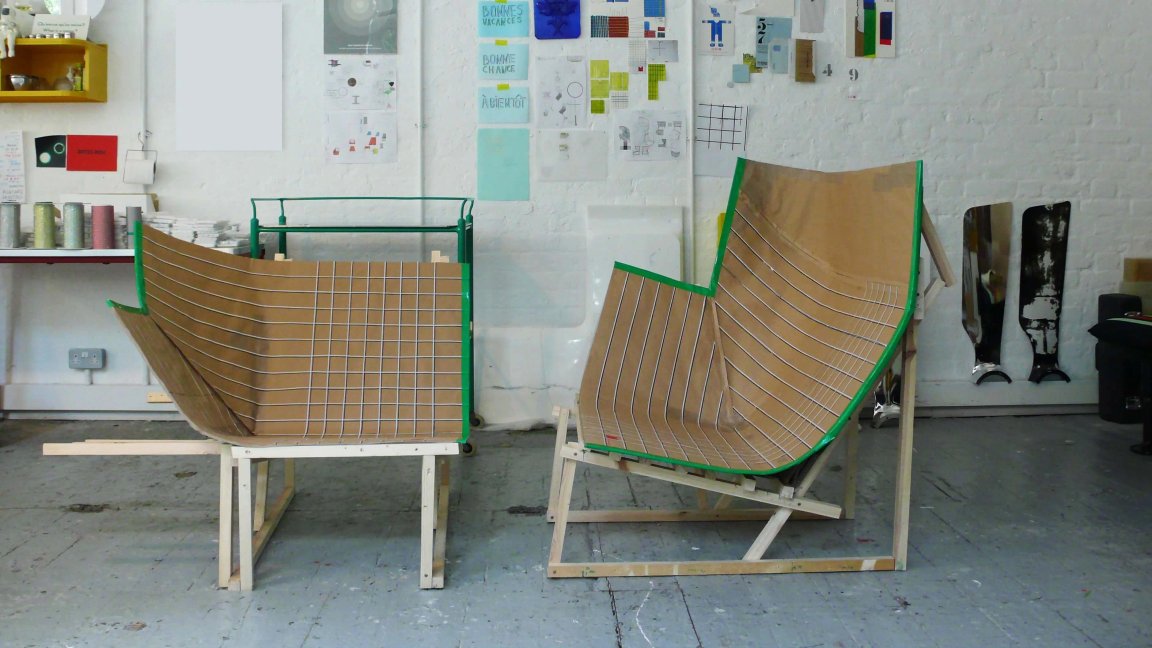
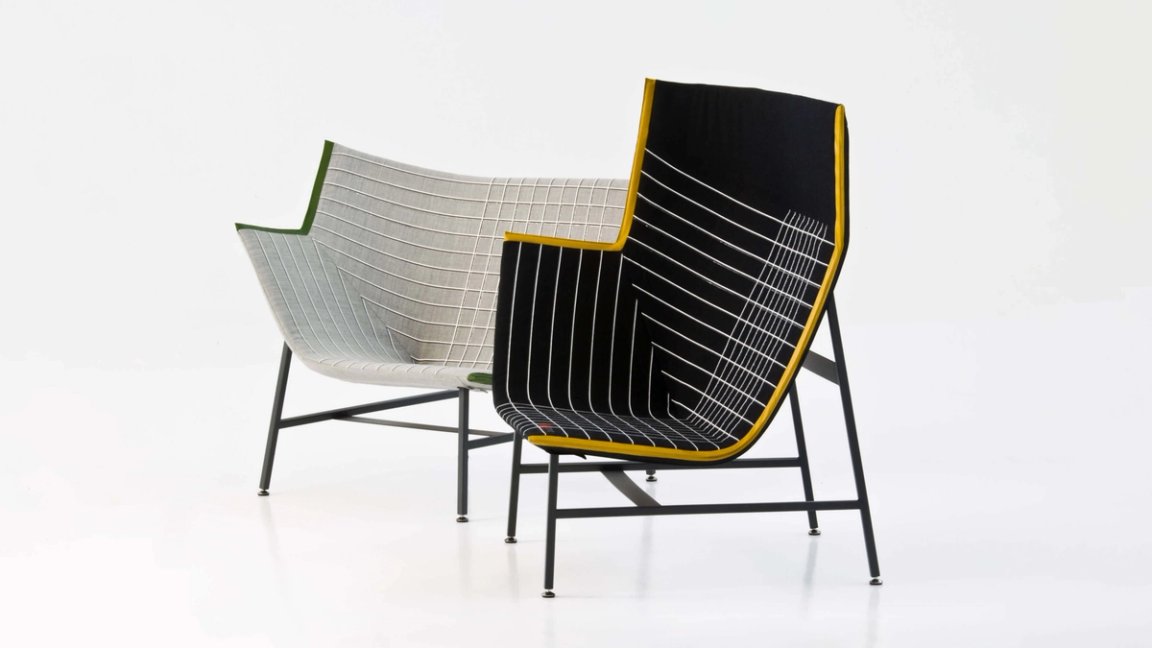
PAPER PLANES FULL-SCALE MODEL AND PRODUCTION VERSION
When we design a chair, we start with our hands – cutting and folding cardboard into full-scale models. It’s a sculptural process, shaped by instinct and guided by the body. For the Cala chair for Kettal, the silhouette emerged from passing aluminium wire through the fingers to find a generous natural curve in space. By creating this large, enveloping backrest, the chair contains the body, while its woven frame acts as a screen through which you stay connected to your surroundings. Surprising things happen through making: discoveries that don’t surface when simply drawing on a page.
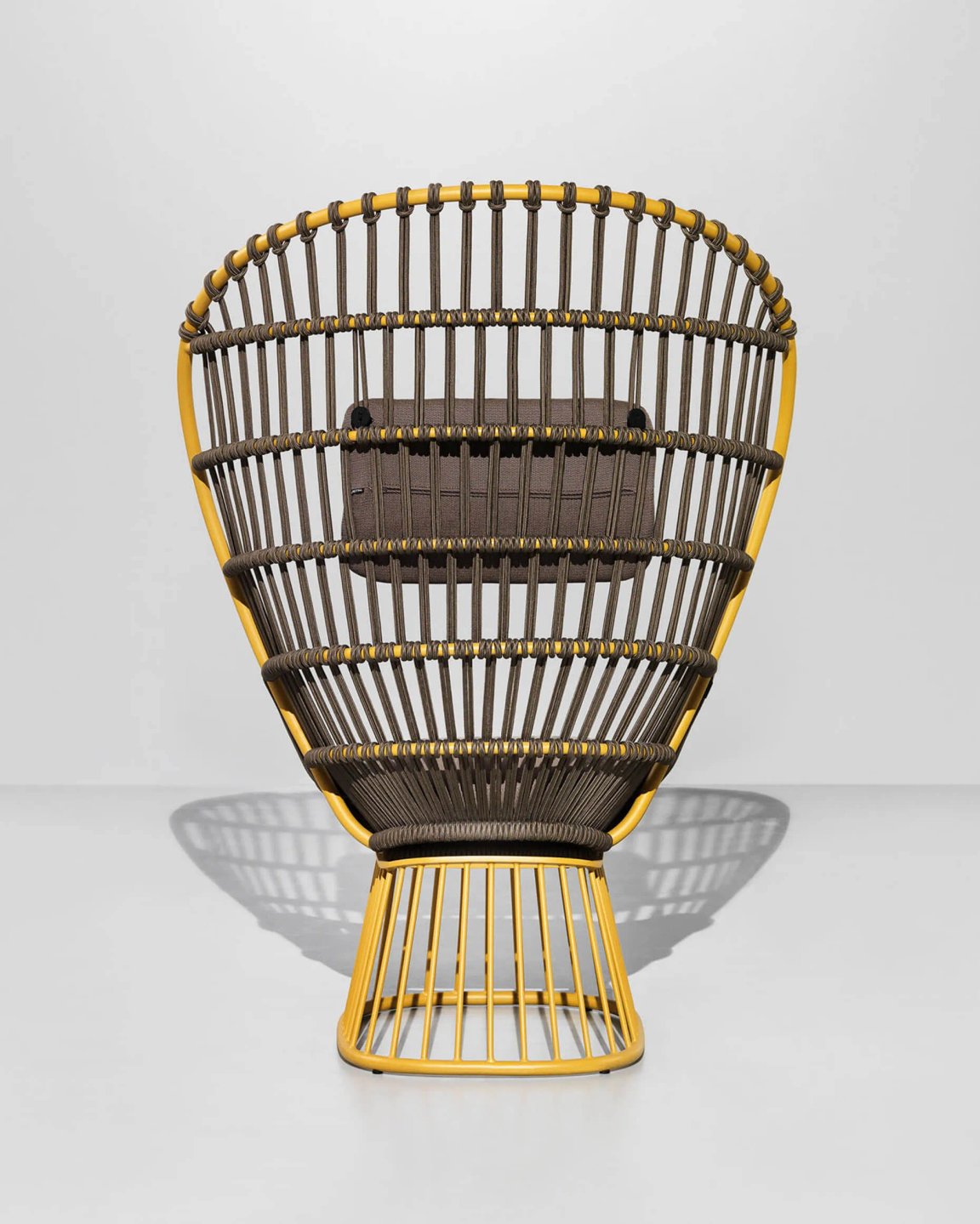
Cala Chair made by Kettal
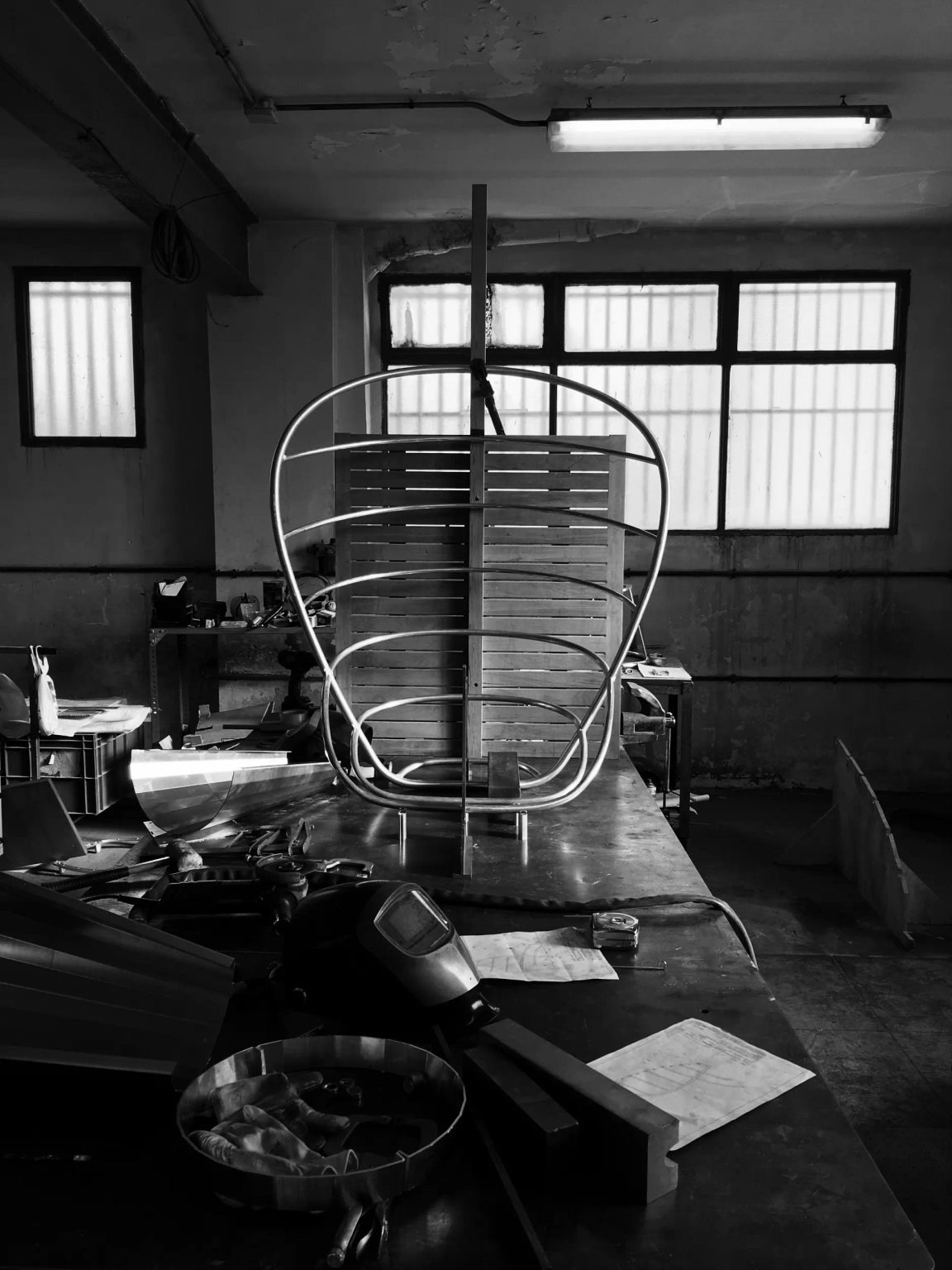
Cala prototype on the bench
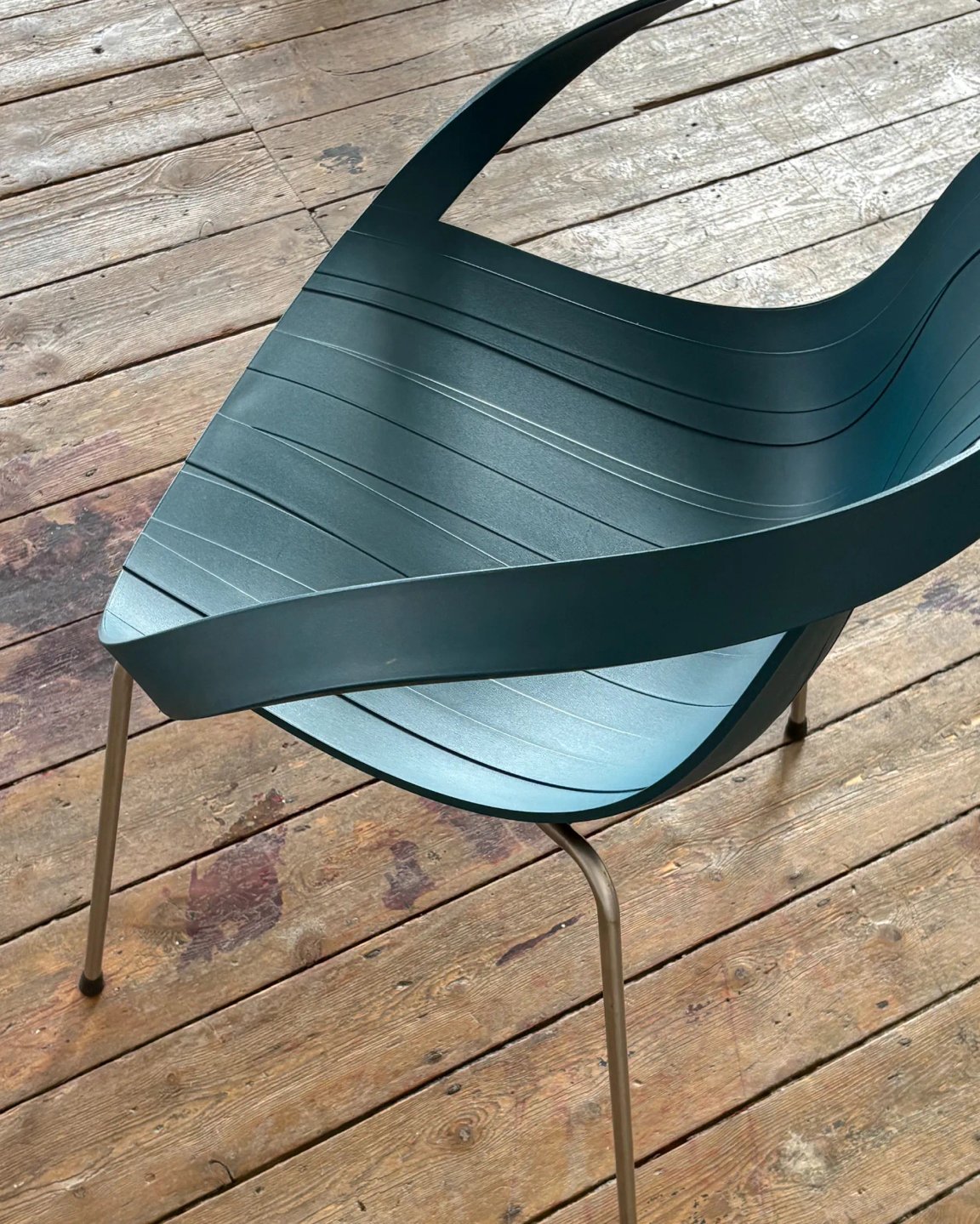
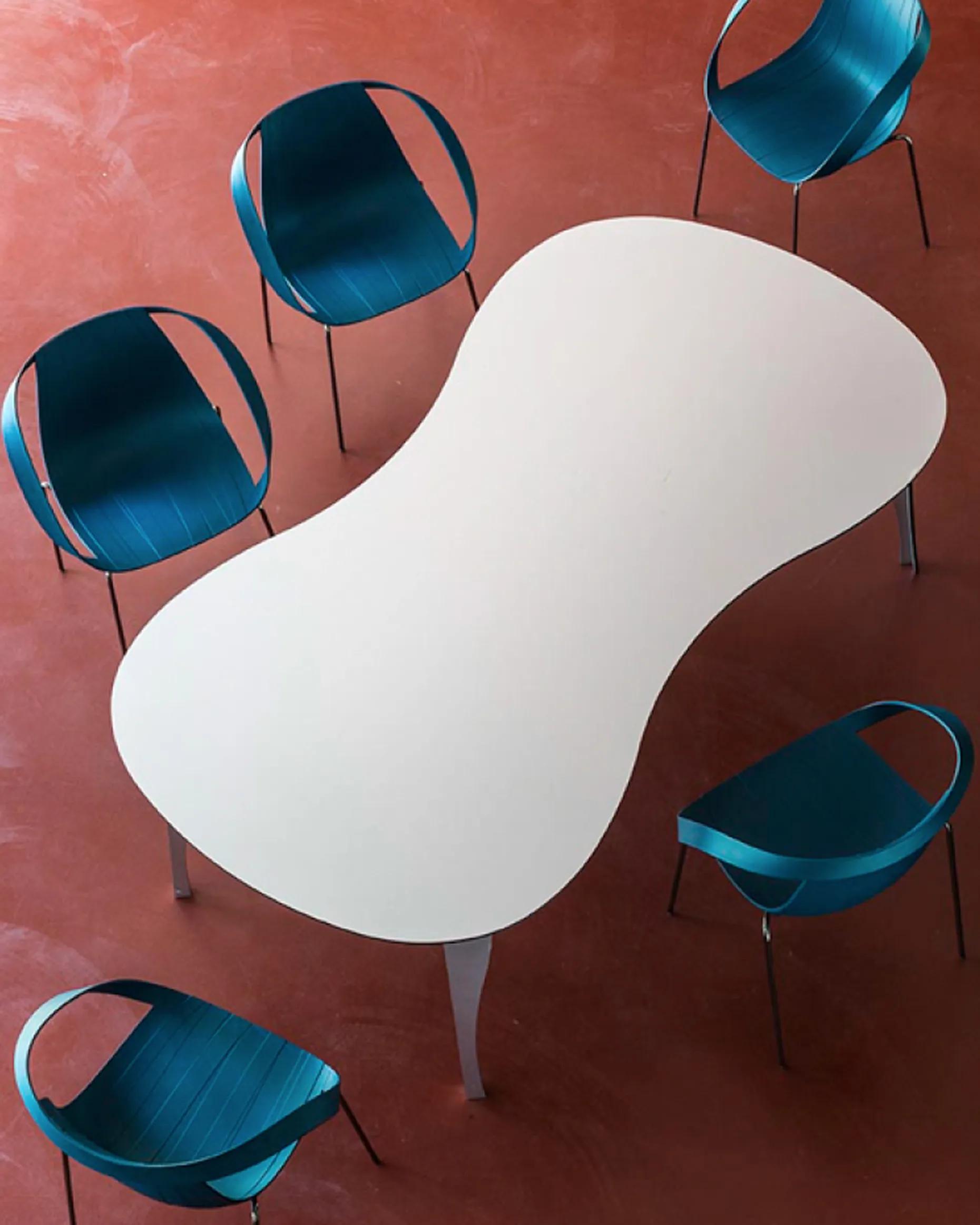
With the Impossible Wood chair, we wanted to create a piece that appears as a continuous, sinuous line circumnavigating the body5. At the time, we had discovered Martin Puryear’s timber structures, with their overlapping wooden strips creating light, rhythmic enclosures. Though not furniture, they shifted our approach entirely, encouraging us to think architecturally – in slender, directional elements that shape space.
We set ourselves the strict parameter of building the entire chair from 50mm strips of rolled cardboard that were shaped around the body. Mouldable wood proved too brittle for such thin sections, ultimately leading us to polypropylene. The chair was impossible to make in wood, and impossible to make in liquid wood. Hence the name Impossible Wood.
.webp?w=1152&q=85&fit=max&auto=format)
Impossible Wood chair at the studio
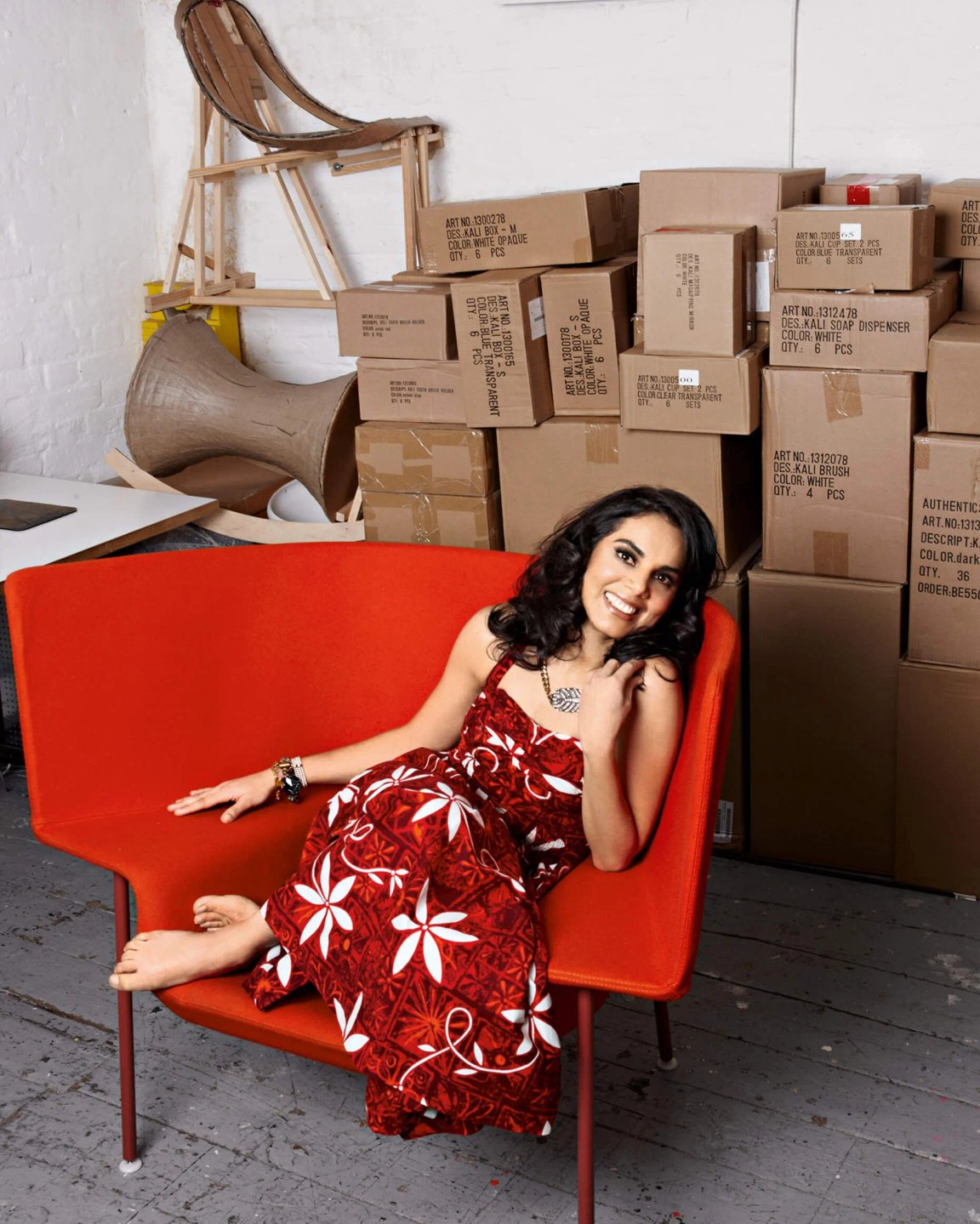
A chair with presence
We often talk about the parallels between garments, shoes and chairs. Beyond process — the manipulation of fabric or leather into complex volumes around the body — there is the less obvious connection: how these tailored forms make you feel. We designed Capo for Cappellini with the idea that a chair can amplify the person using it.
The open, conical gesture of the chair’s shell surrounds you and heightens your relationship to your surroundings, making you feel quite elevated – hence the name Capo. The generous proportions of Capo’s arms also provide a natural perch for a small child when you’re reading to them, so Capo can frame not just one body, but two.
In the end, every chair we design begins and ends with presence – how the body feels, how it occupies space and how form can support that experience with intention. To frame the body is to shape that moment with care, so that form, posture and feeling are held in balance.
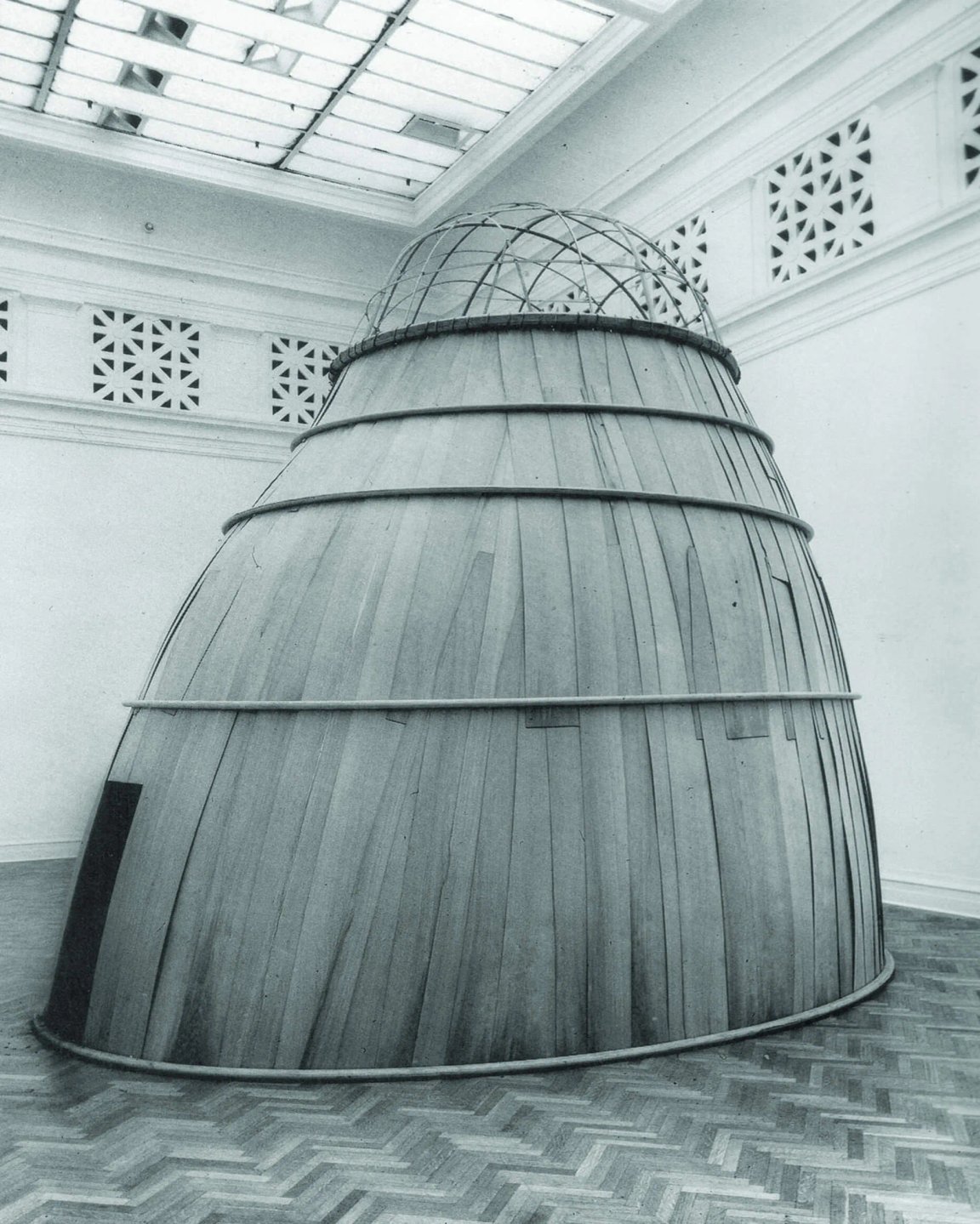
Cedar Lodge by Martin Puryear (1977)
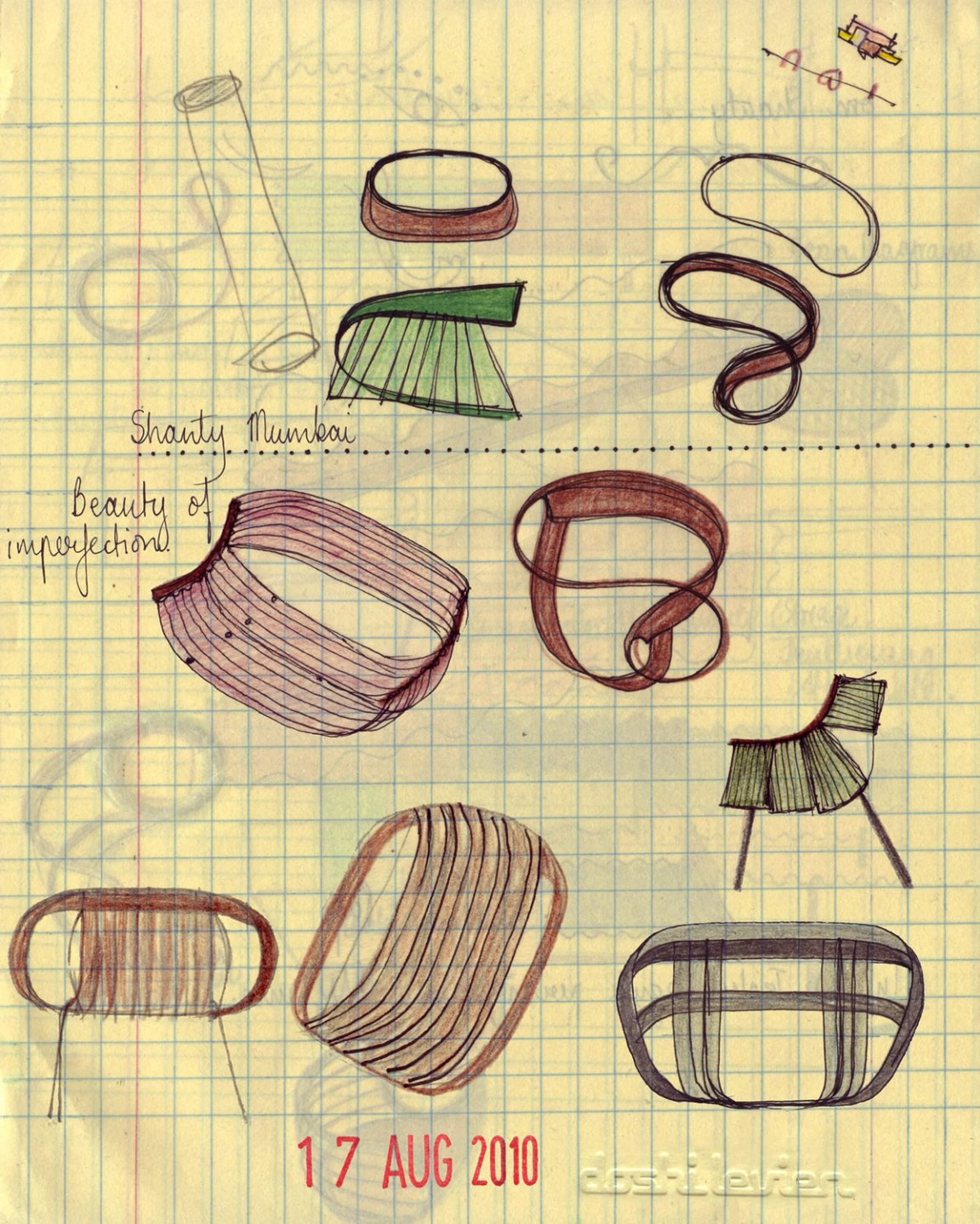
Early concept drawings