In conversation
A Room of My Own
With Nipa Doshi and Gemma Savio
MECCA x NGV Women in Design Commission
Portraits by Philip Sinden
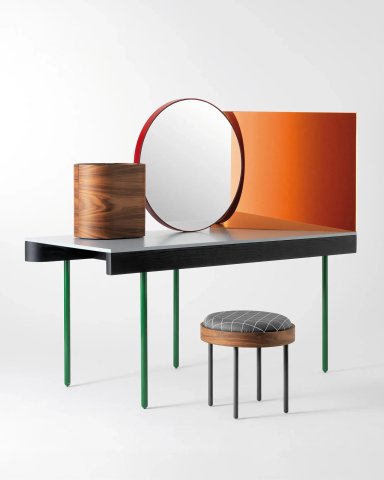
For the fourth annual MECCA x NGV Women in Design Commission, London-based designer Nipa Doshi, co-founder of Doshi Levien studio, presents A Room of My Own.
A Room of My Own – an installation designed around a multicoloured, multidimensional and multipurpose cabinet – celebrates the everyday rituals that shape Doshi’s work. It also debuts her first custom-designed typeface, which explores geometry and ornament. In an interview with Gemma Savio, NGV Curator of Contemporary Design and Architecture, Doshi reflects on how A Room of My Own is an invitation to step into the designer’s inner world: a space shaped by the women, places and memories that sustain her.
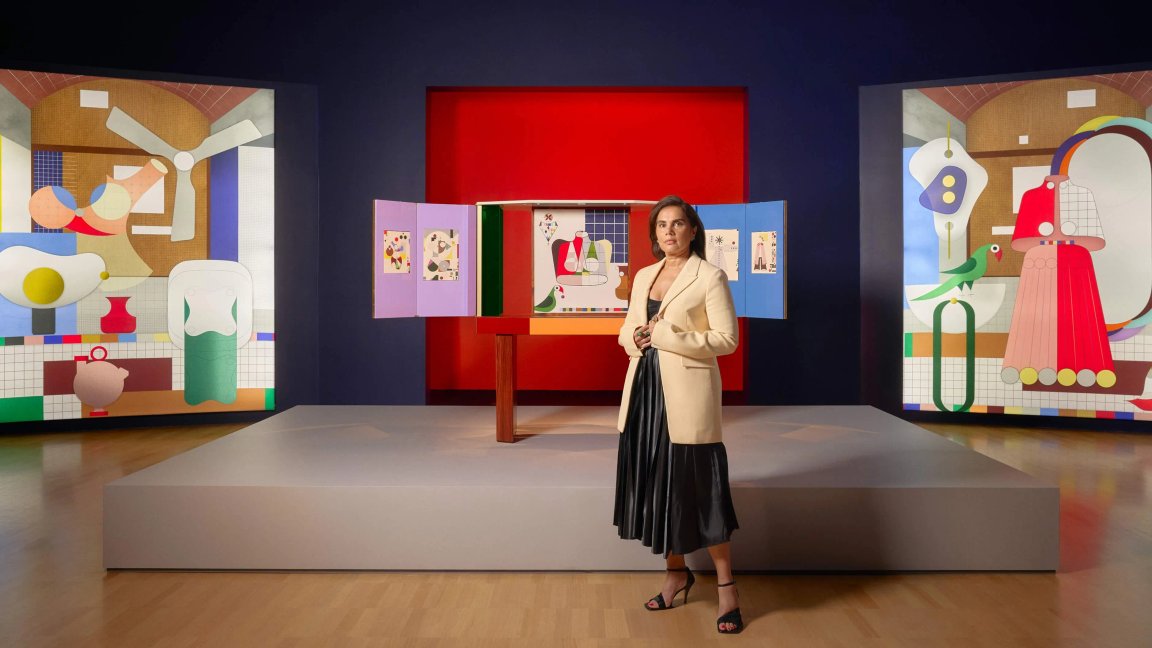
Nipa Doshi with "A Room of My Own"
Nipa, your work is well known for distilling the myriad cultural and artistic references that inspire you into a design language that is personal and grounded in your own lived experience. You grew up in India during a formative moment in its post-Independence era. How did that cultural landscape shape your design sensibility?
It was a very different moment in history in India when I was growing up there. I would say it was a radical, avant-garde India – post-Independence, full of optimism and experimentation. Le Corbusier, the very famous modernist Swiss-French architect, had been invited by the government in the 1950s to design Chandigarh1, a new city that would represent modern India. What was exciting to experience was that even the most iconic modernism, in the Indian context, was not “pure” or Eurocentric. It makes me think of Corbusier’s Villa Sarabhai in Ahmedabad, which I visited often. Although it was a very modern, Brutalist building, it was deeply Indian in how it was designed and inhabited. The artefacts, the paintings, the murals, it was full of life. The kitchen, for instance, was designed for people to sit on the floor to cook, because that was how it was traditionally done. I studied in Ahmedabad, surrounded by modernist icons. There was the Villa Shodhan, the Kite Museum, the Mill Owners’ Association Building, all designed by Le Corbusier. My college was founded on a manifesto by Charles and Ray Eames, and the revered Indian architect B. V. Doshi, who invited the American architect Louis Kahn to design the Indian Institute of Management, also built the architecture of the city. Ahmedabad itself was a site of pluralities – there are 16th-century temples, modernist buildings and old marketplaces all co-existing.
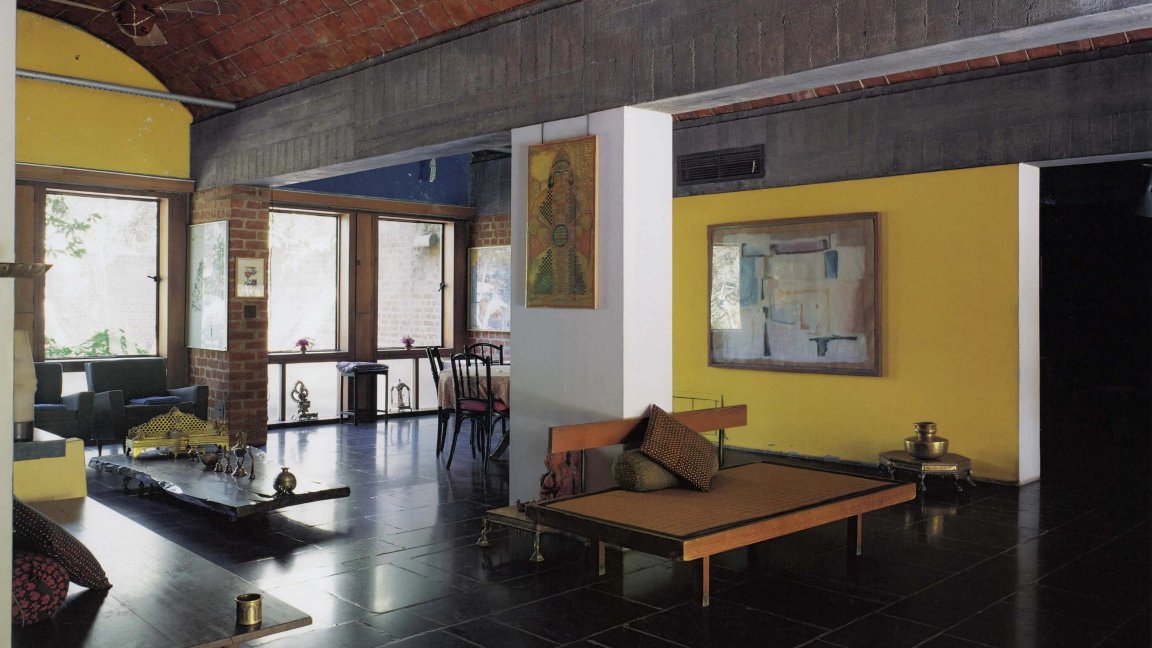
Villa Sarabhai in Ahmedabad, designed by Le Corbusier
Many of my strongest memories of the city are ephemeral: sounds, smells, things I observed growing up. I remember the smallest details of something beautiful: a carving in a temple, or someone making sandalwood paste as a sacred offering.
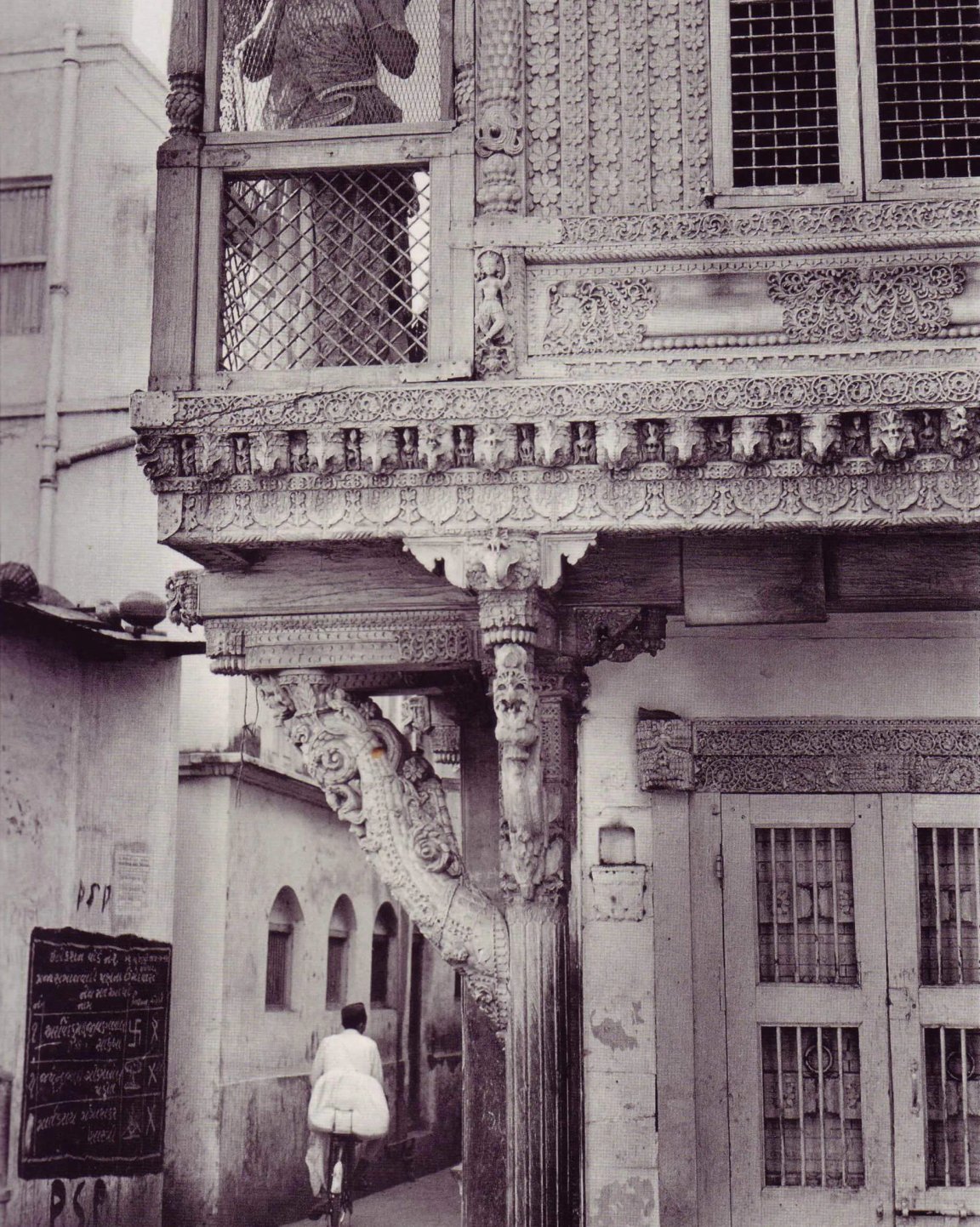
Ahmedabad, 1966 - Carved wooden Haveli in the old city
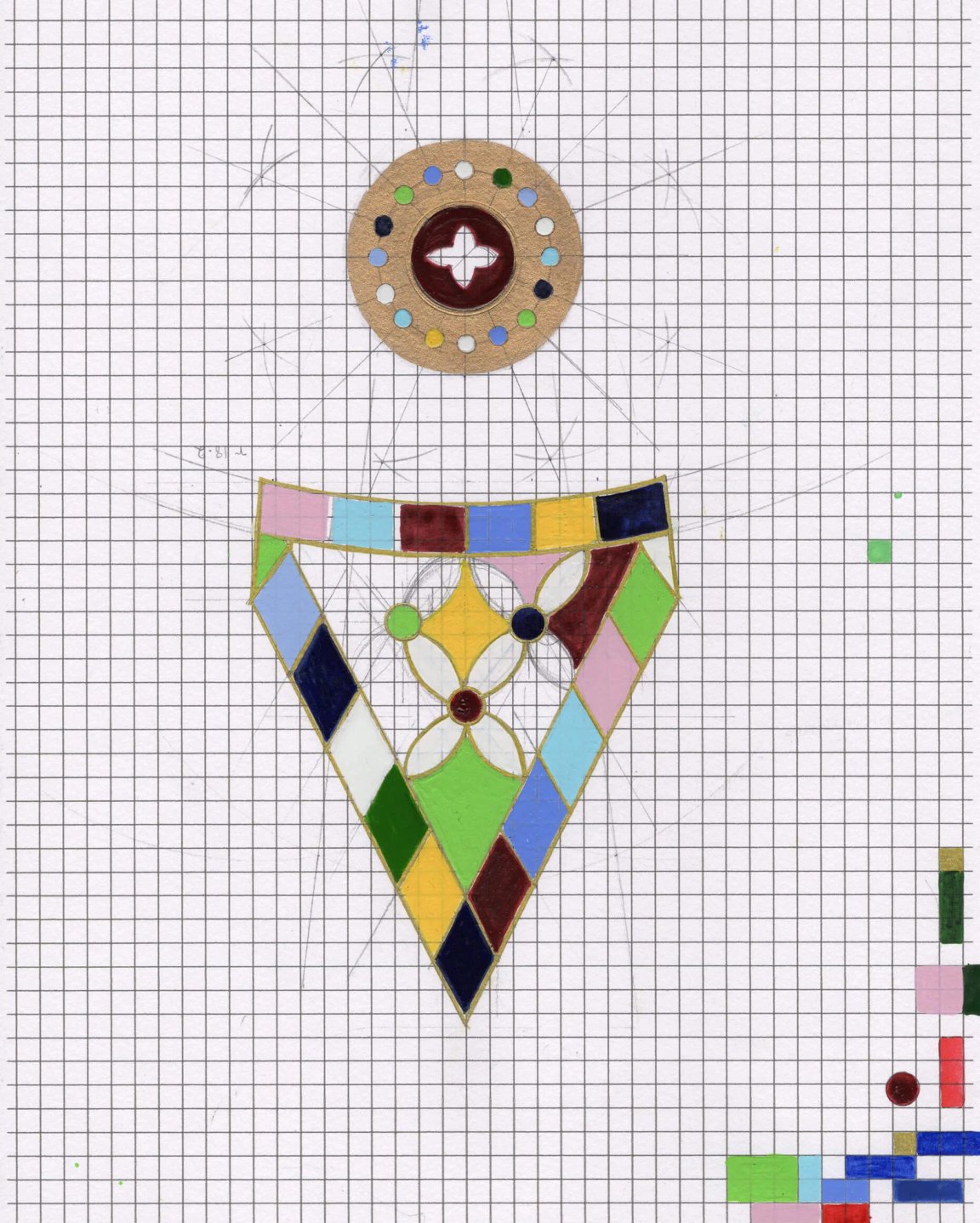
Details of something small
From your descriptions it sounds like the architectural conviction of those modernist icons was made more complex and almost offered ornamentation and texture by India’s culture.
Precisely. I liked modernism in my country because it was plural. It was human. It was messy. I bring that sense of layering into my work as a way of challenging assumptions about what’s considered ancient or modern. Modernism wasn’t just a European design movement. It spread across the world at a time when many countries were emerging from colonialism and were trying to create a new identity. I grew up in that atmosphere in the India of the late 1970s. There were actresses in local cinema challenging traditional ideas of what it meant to be an Indian woman. They were highly educated, confident in their bodies and opinionated. That was the environment I grew up in. It was extremely layered and full of joy, and it’s that attitude which I’ve tried to to capture in A Room of My Own.
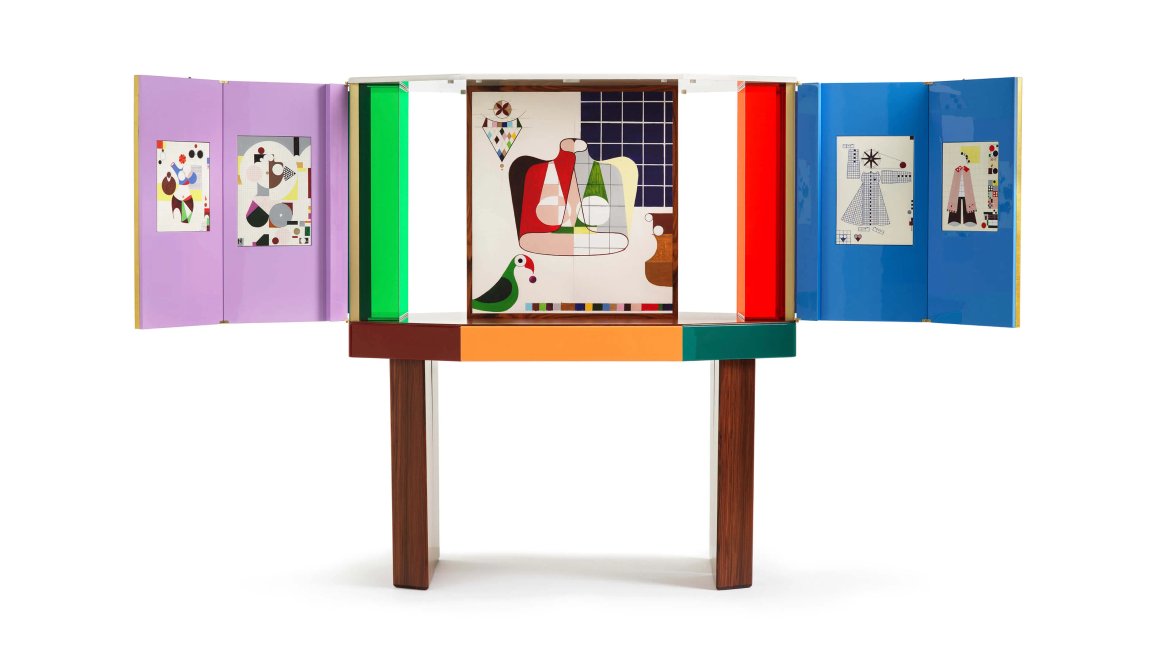
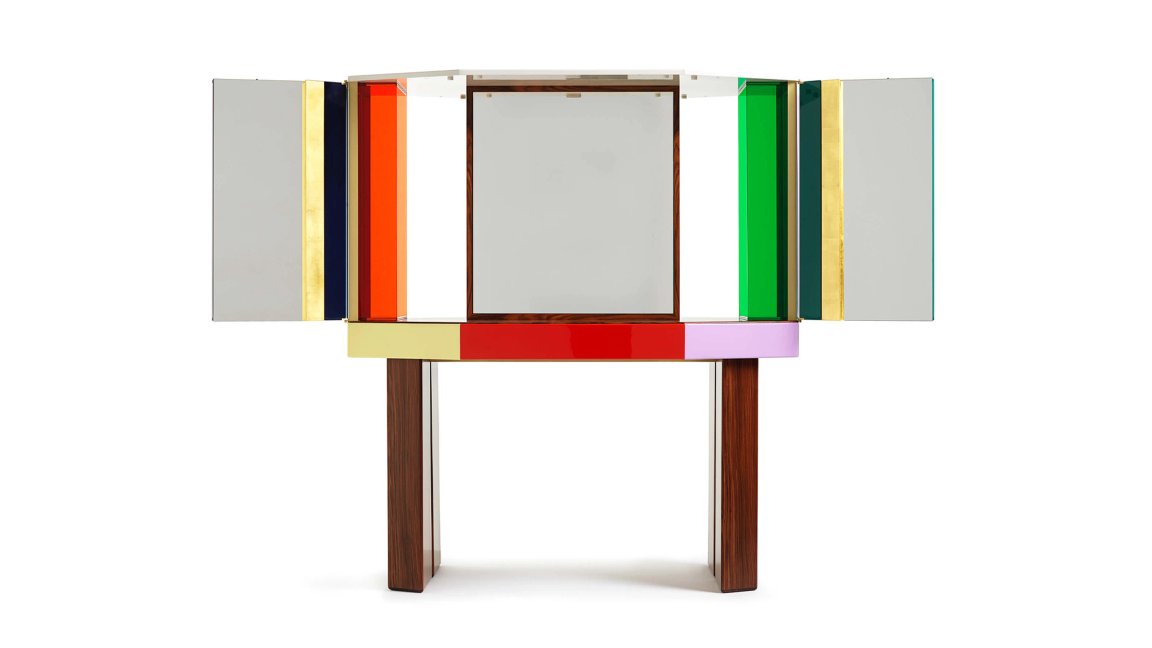
A Room of My Own Cabinet
A Room of My Own exemplifies design as an outlet for recording and sharing history, the nuances of culture and the designer’s own worldview. It’s at once a homage to those who have influenced you and a manifesto of your own philosophy of a life well lived. What was your ambition when you embarked on this commission?
When I started working on the commission, I wanted to design something that was very personal and reminded me of the important women in my life2. Some of my best memories from my childhood are of afternoons when my mother’s friends would get together. They were women of all different generations gathered together for afternoon tea, sitting in a circle on the floor in their sarees, talking and laughing at the tops of their voices.
So, my ambition for the commission was to design something that provided a gathering space for the important women throughout my life. I wanted to pay homage to the women I found inspiring. I see the cabinet as a small work of architecture. It holds space for portraits on the cabinet doors, which are amalgamations of many women I have known or admired. The drawings capture elements from my memory – their clothing, distinct pieces of jewellery, their hairstyle or the shapes of their figures.
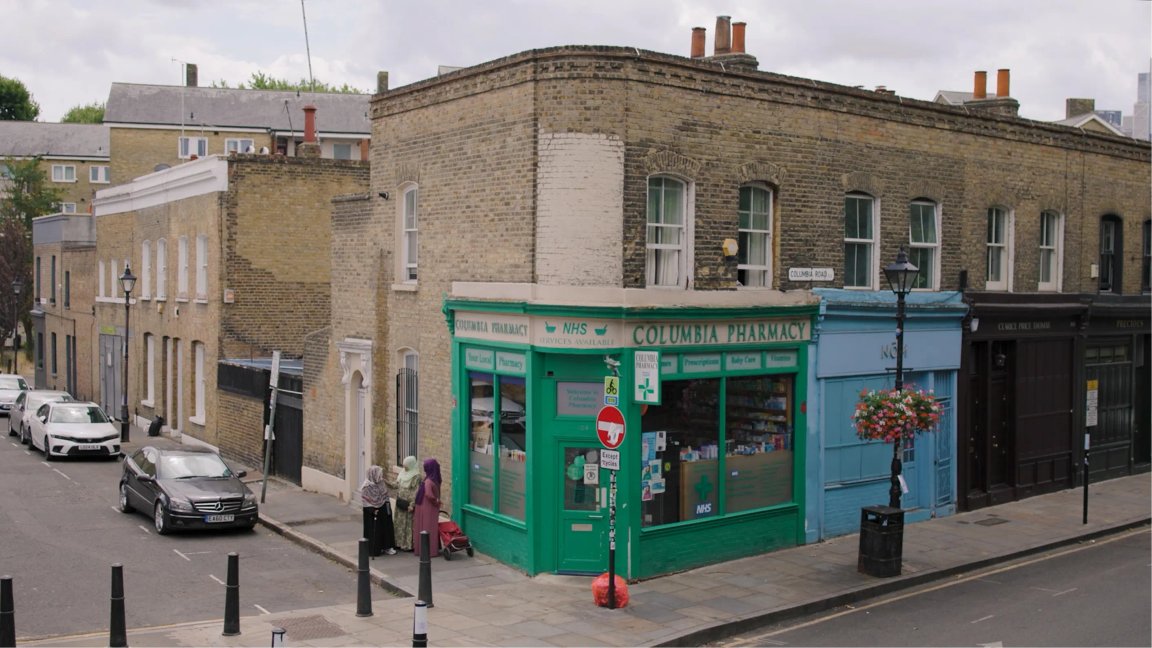
A day in the life of Nipa Doshi
The cabinet, also titled A Room of My Own, is based on the Indian kavad, a type of portable shrine. In this case it’s a shrine to the women in your life, but it also functions as a writing desk and dressing table. How do you see this hybrid piece of furniture shaping the rituals of those who use it?
For me, the most important thing as a designer is to create a sense of beauty in everyday rituals. Design is as much a way of doing things as it is about the objects themselves. The A Room of My Own cabinet is designed to support daily ritual – something that enhances your sense of wellbeing and allows you time with yourself or a moment to contemplate. The intellectual wellbeing supported by the writing desk is as important to me as the physical, emotional and artistic wellbeing encouraged by using the dressing table. I wanted to create a small universe where you could think, care for your body, get dressed and be surrounded by reminders of the people you love.
I wanted the cabinet to offer a space that you could be immersed in, so I have designed it to be like a small work of architecture. The construction of the piece is quite architectural, it uses solid and void to hold space, the angles of the doors are embracing, and on two sides there are coloured glass boxes that let light play within the cabinet interior. Creating an object, for me, is not about inventing something in isolation. It’s about carrying forward generations of knowledge about materials, colour, craftsmanship and culture.
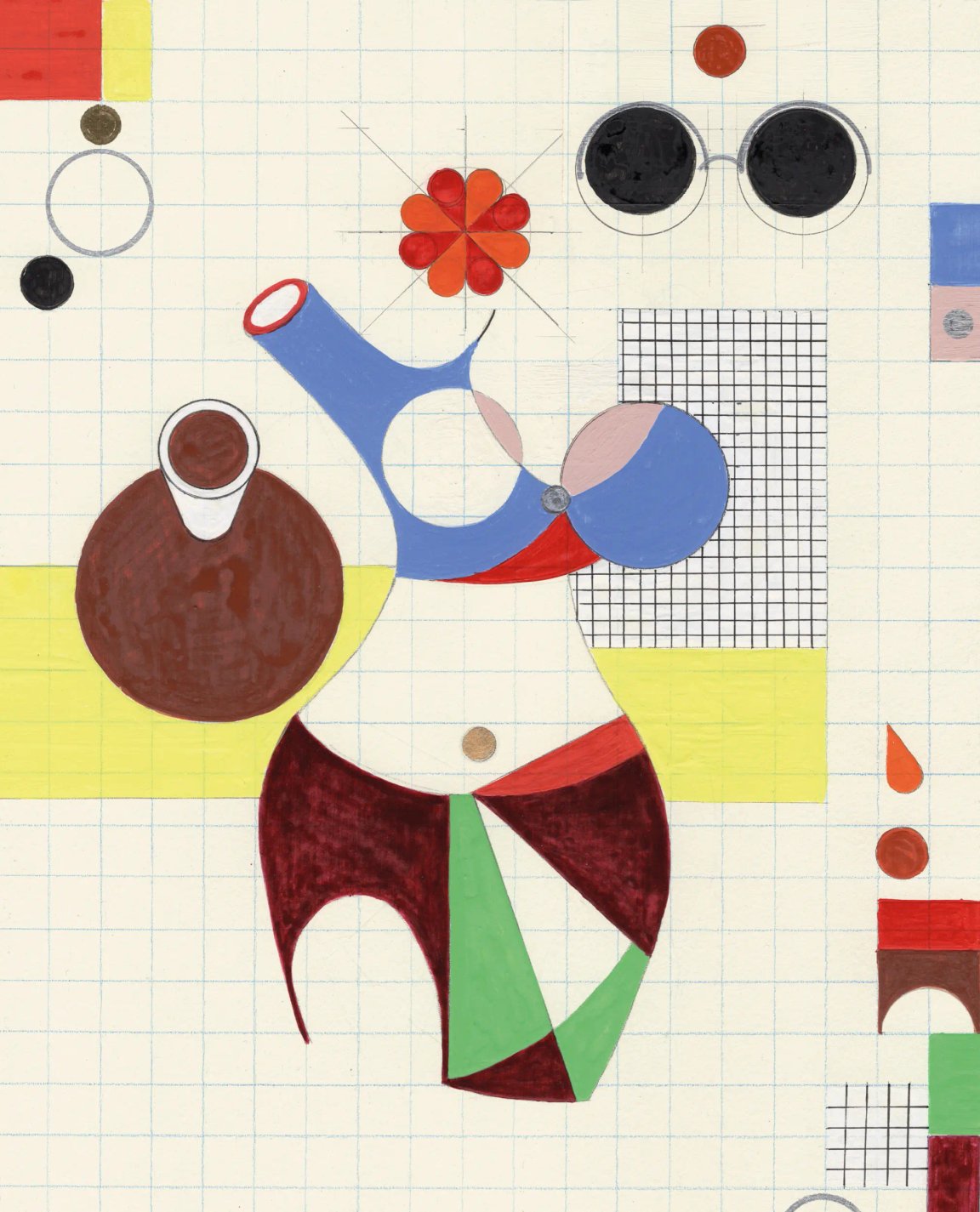
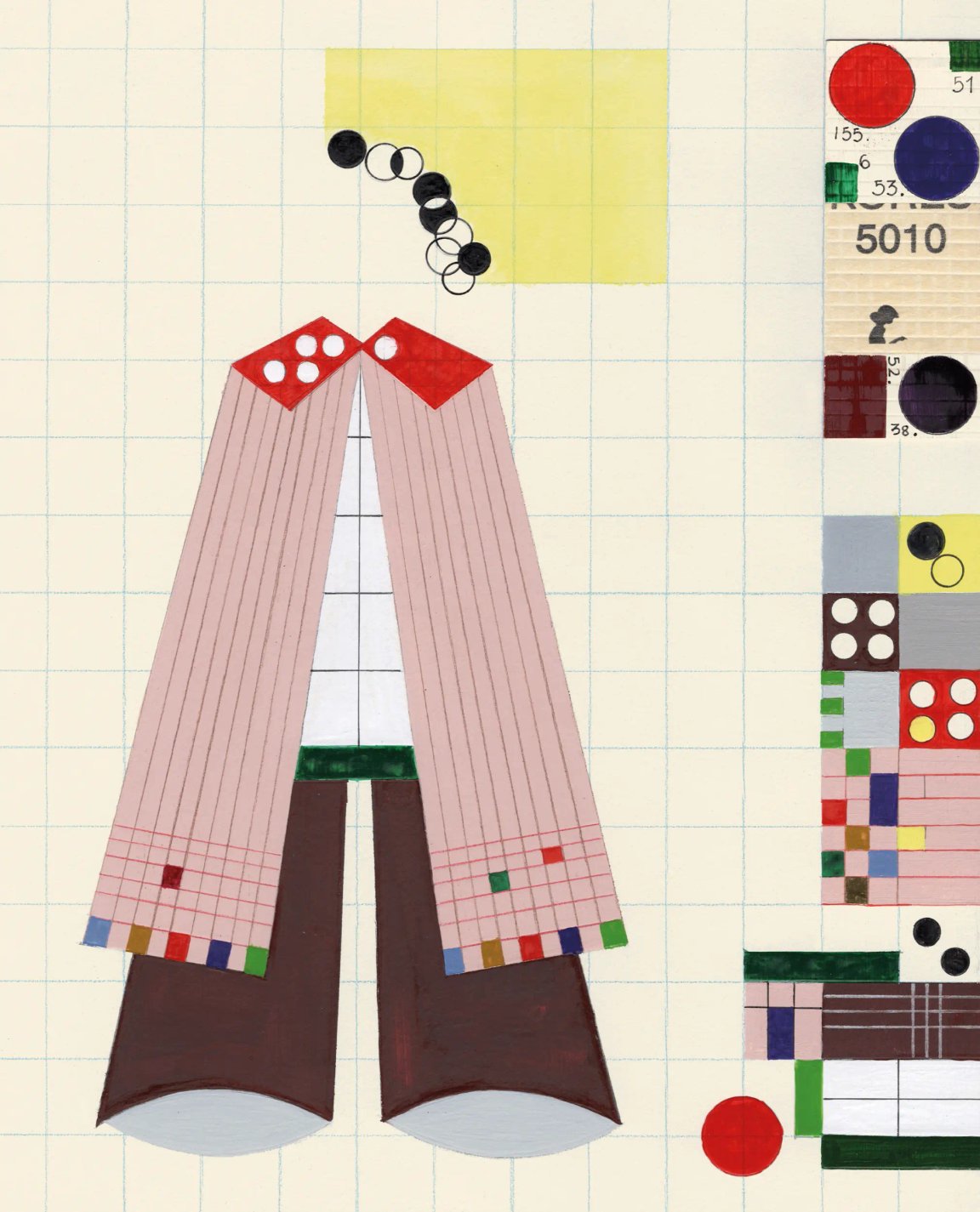
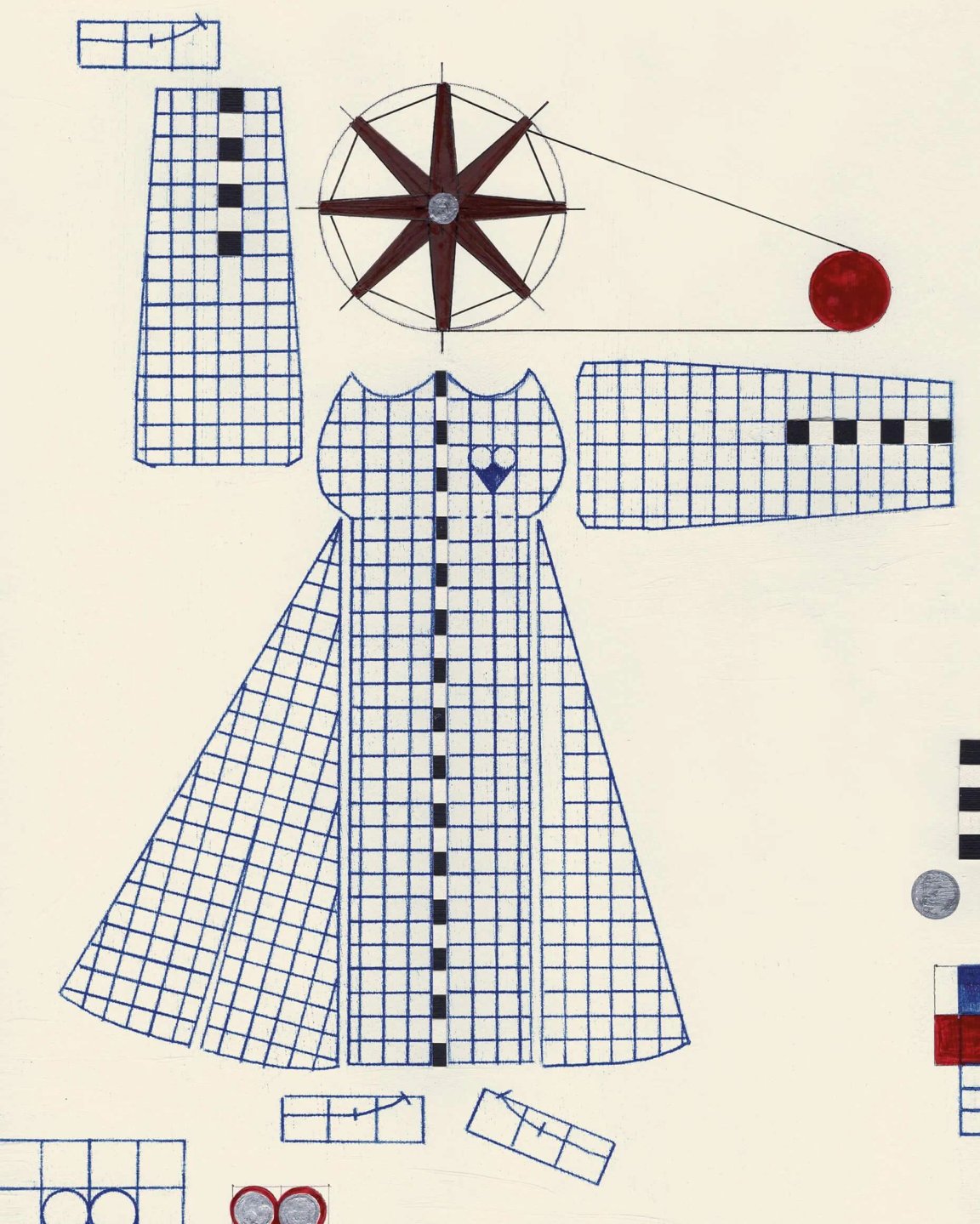
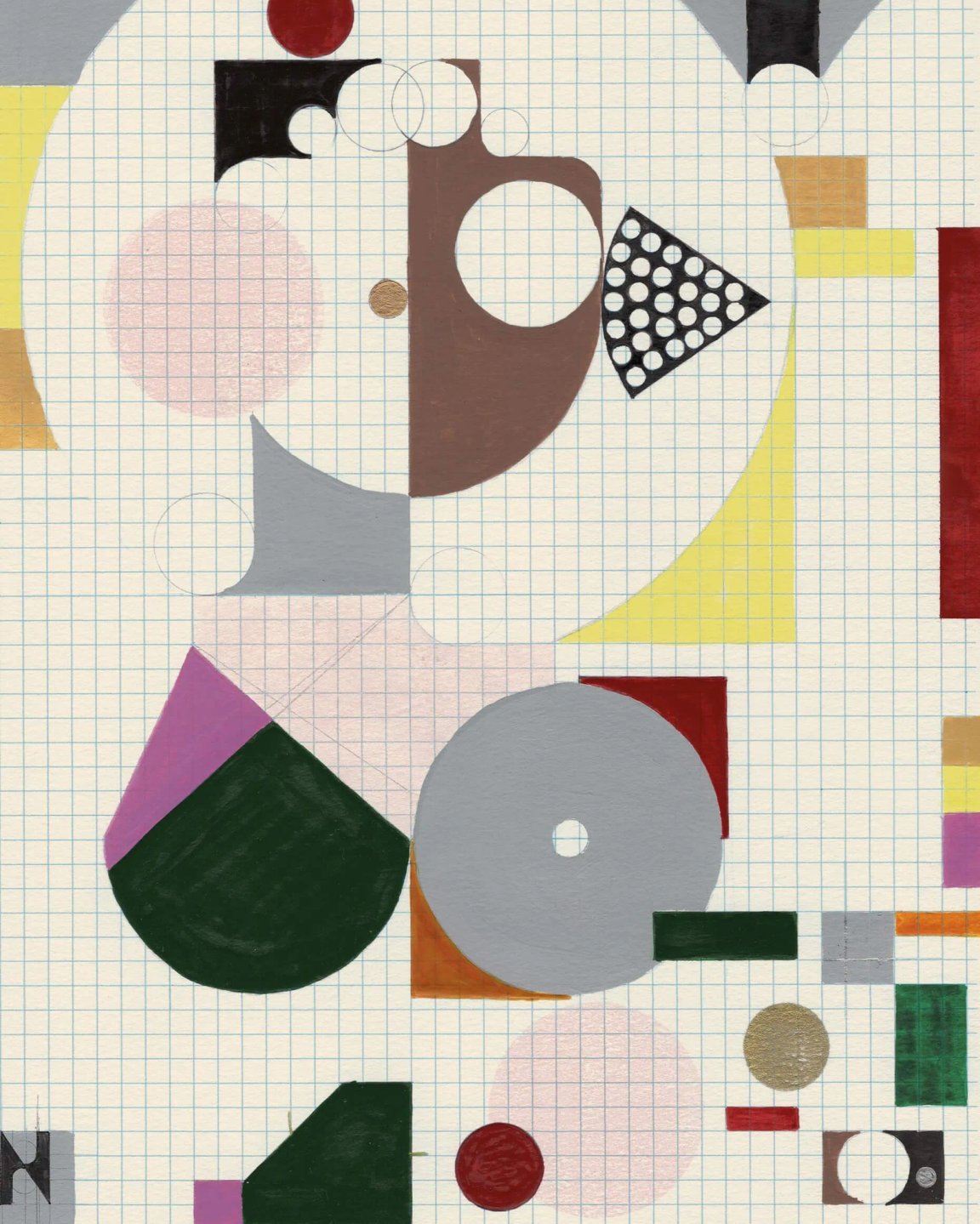
Cabinet Drawings
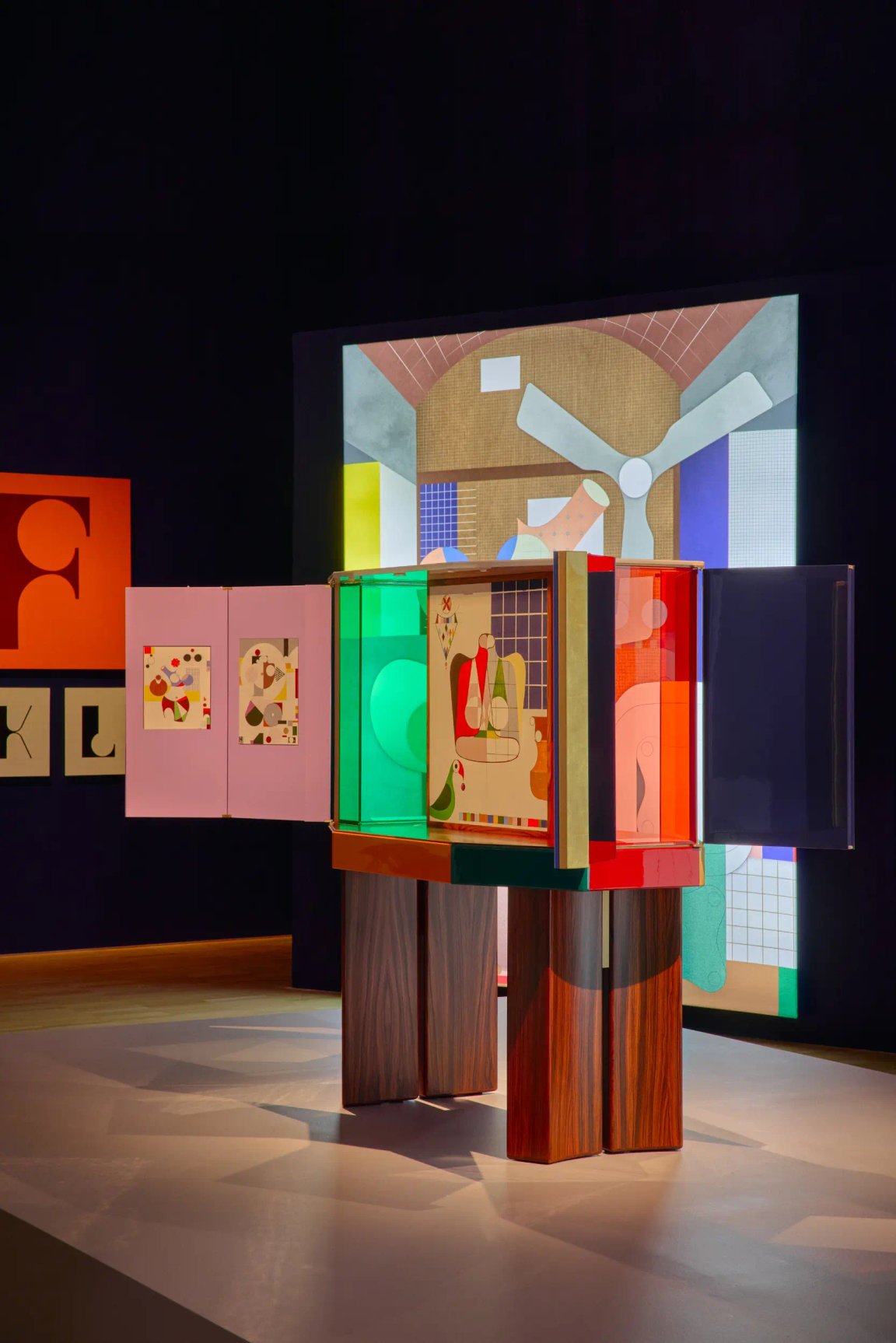
A Room of My Own Cabinet
The A Room of My Own typeface carries the rigour and craftsmanship you have achieved with the cabinet in an entirely different medium. Having never published a typeface, this work is your debut in the world of typography. What drew you to explore written communication – the design of letters, numbers and symbols – as part of this commission?
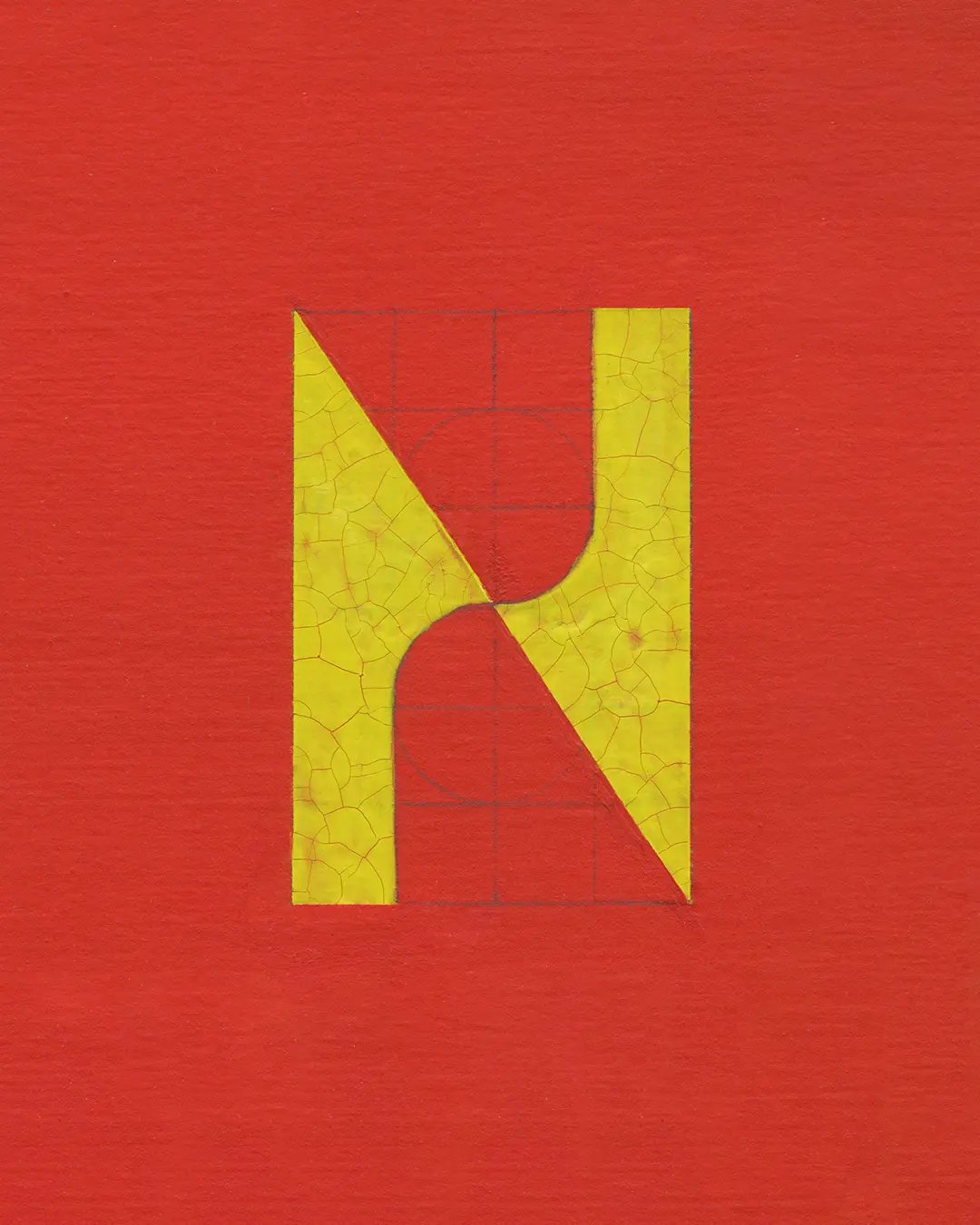
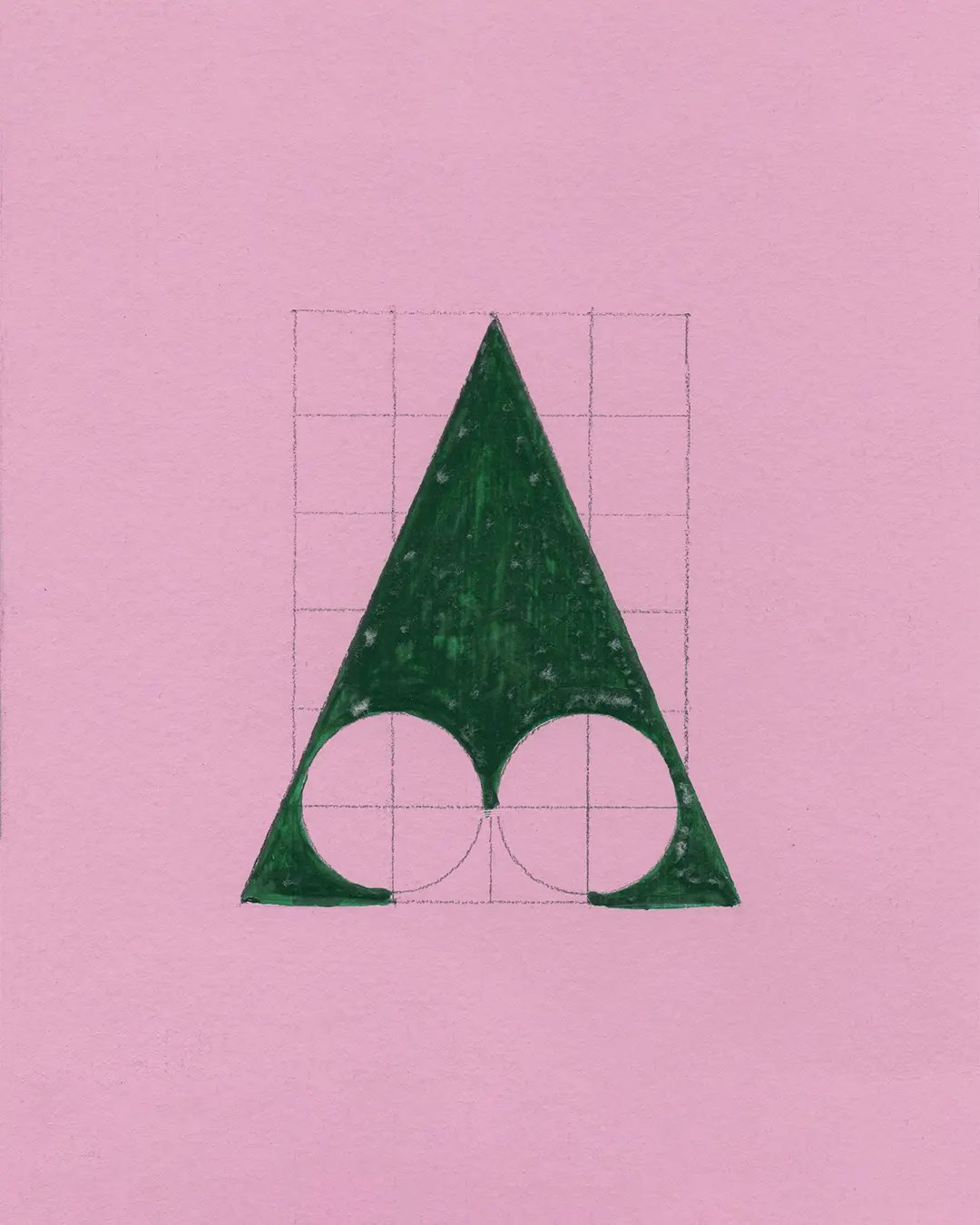
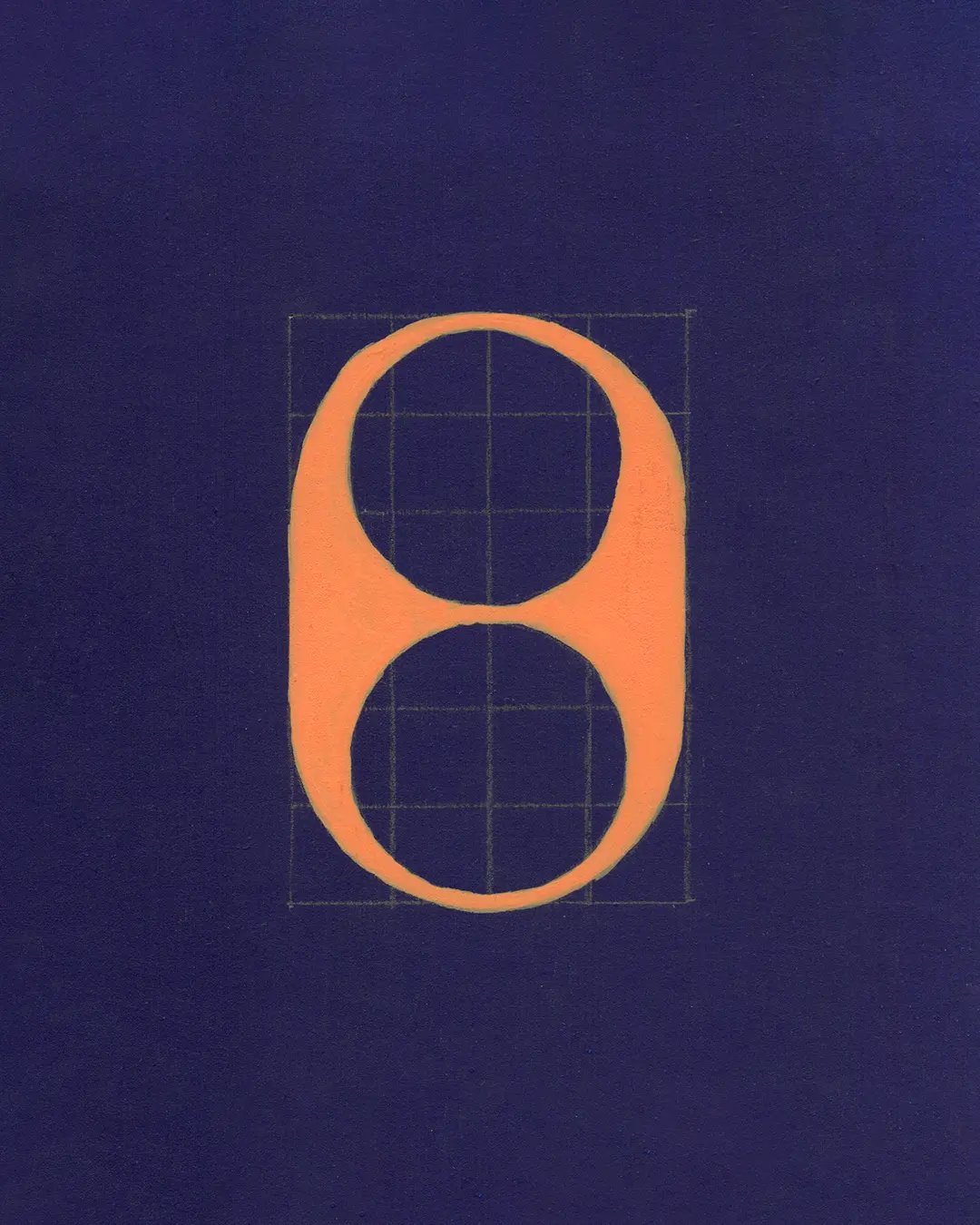
The typeface is an extension of my design approach. It responds to pattern, form, scale, construction, logic and geometry. The A Room of My Own typeface is, of course, legible, but it can also be easily abstracted. I designed it in a way that brings it into conversation with aspects of the physical world that fascinate me. When I look at the font, I think of each character as an object. They could be jewellery or machine parts: like the beautifully crafted components you find inside a motorcycle or a piece of industrial machinery; the things you never see when the machine is running, but which are integral to the whole and made with precision. At large scale it could be interpreted as an architectural diagram or the plan of a building. My intention was to allude to physicality in the design of something that is, essentially, a flat surface. For both me and Jonathan [co-founder of Doshi Levien], it’s important that everything we do, whether it’s something for mass production or something handcrafted with only eight editions, has the same care and attention to detail. There’s an equality in the effort we put into each object or project, and the typeface allows that effort to be shared. Typography is a very egalitarian mode for design – it allows others to express themselves through the words that they make and to develop their own compositions.
A Room of My Own is so generous in the qualities of the cabinet and typeface and in offering insight into your personal values and philosophy. We are delighted to share this new work through the MECCA x NGV Women in Design Commission and hold it in the NGV Collection.
This commission was an opportunity to be “maximum me”. To bring every part of myself into the work without compromise. I saw it as a chance to do new things and to be brave, and it gave me the freedom to experiment. I’m quite shy about my drawings – not shy to make them, but to have them made public and open to scrutiny. The same with the font. I’m not a trained typographer. But that’s what made this opportunity so exciting. It allowed me to take risks, to step into new territory and to claim it as my own.
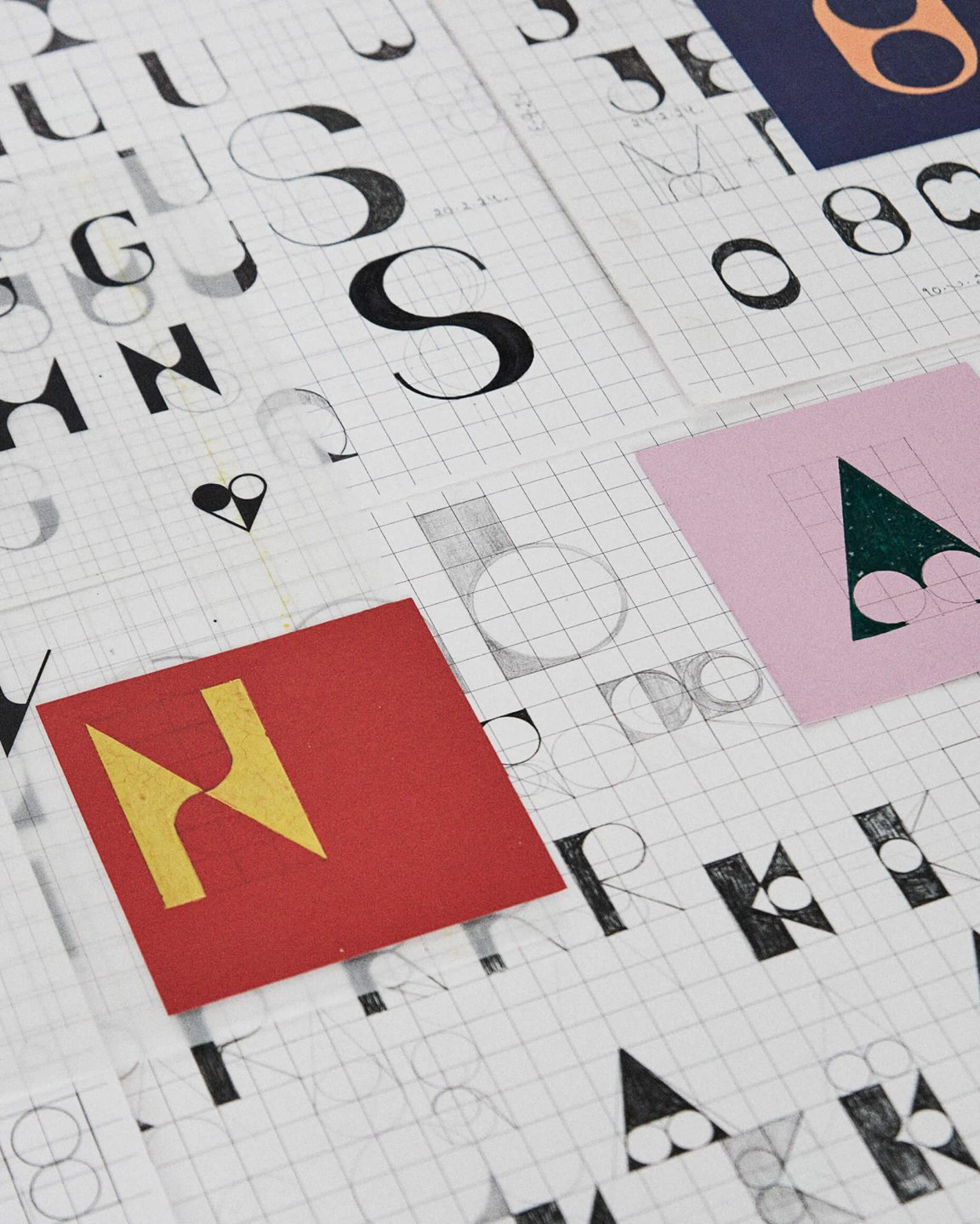
A Room of My Own typeface