In conversation
Object as Space
With Doshi Levien
Ritual, Gesture, Architecture
Photography by Doshi Levien
The theme of Object as Space explores the idea that furniture is never just an accessory, but also a way of shaping the environments we live in. In this conversation, Nipa Doshi and Jonathan Levien reflect on three projects – Chandlo, Armada, and Almora – where objects carry the weight of architecture, creating worlds around the body.
To open up the discussion, we draw occasional parallels to the Bauhaus, where designers such as Marcel Breuer, Lilly Reich and Walter Gropius1 also saw furniture as a means to define space, atmosphere, and the relationship between inside and outside.
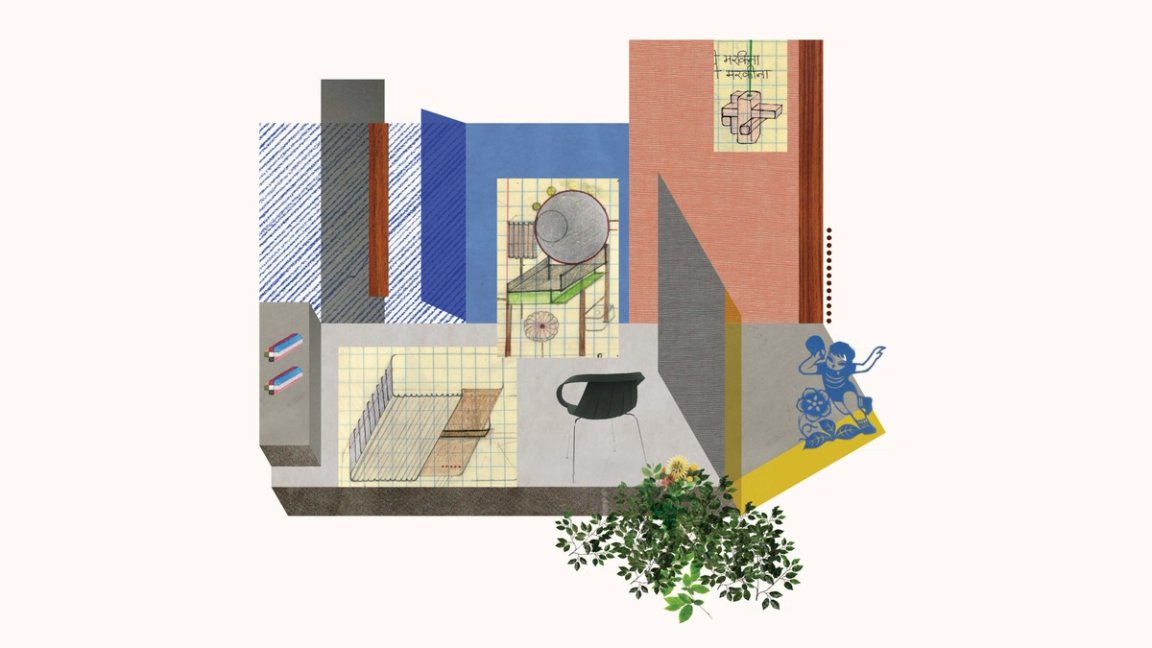
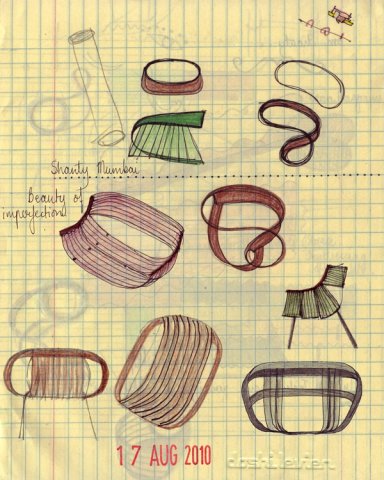
Drawing for Das Haus, Interiors on stage
Before we speak about Chandlo, I want to return to Das Haus, the installation you created for IMM Cologne in 20122. Das Haus was your chance to rethink the home from the inside out as a layered, plural environment, which is sensual, open to many influences, and deliberately incomplete. Your concept structured the house into zones of activity – eating, sleeping, bathing, dressing and socialising – where each transition mattered as much as the spaces themselves. In that vision, objects often carried the weight of architecture. Was Chandlo one of those objects?
Chandlo was situated in the dressing area and conceived as an arrangement of spatial elements, rather than a single object. The circular mirror, the trays, the tinted glass – each element of Chandlo is like an architectural gesture. Its composition of mirrors and planes feels almost like a fragment of a building, with surfaces glancing past each other, creating an intimate zone around the body. Together, these elements frame the daily ritual of dressing up, celebrating the enjoyment of getting dressed and the importance of personal grooming as part of our daily wellbeing rituals. As such, Chandlo is both an object and a space.
In her collaborations with Mies van der Rohe, Lilly Reich often blurred the line between staging and living3: furniture was not just functional but helped to create an atmosphere, almost like an environment in itself. Chandlo seems to work in that way too; less like an accessory, more as a spatial condition. Do you see it in that light?
Absolutely. In Das Haus, the boundaries of the home were defined by objects and activities rather than walls. The name Chandlo refers to the bindi, the coloured dot traditionally worn by Indian women on the forehead, which offers a simple yet powerful symbol of identity and ritual. In a similar way to how Lilly Reich staged acts of living through her environments, Chandlo frames the daily act of dressing, giving that essential ritual a stage.
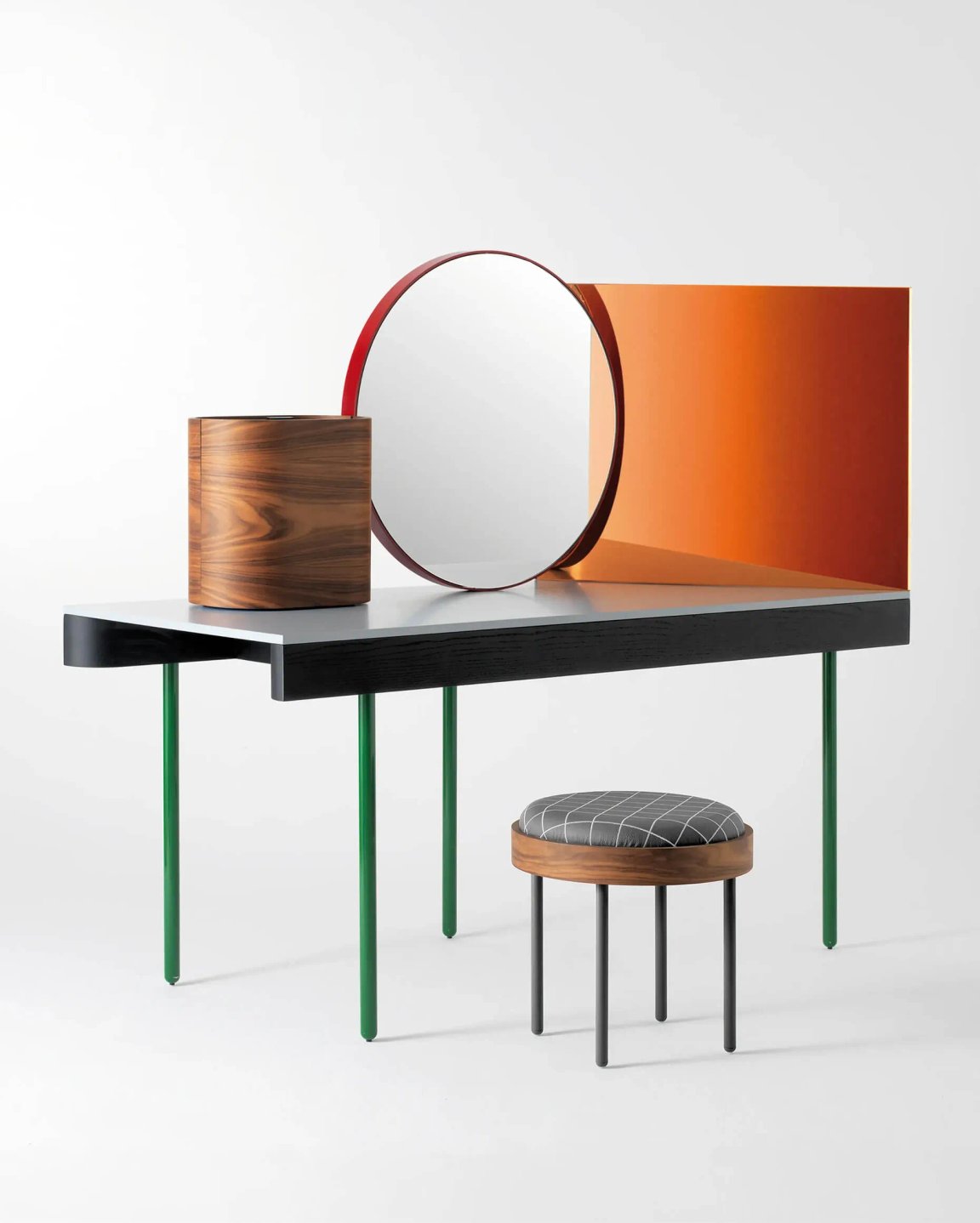
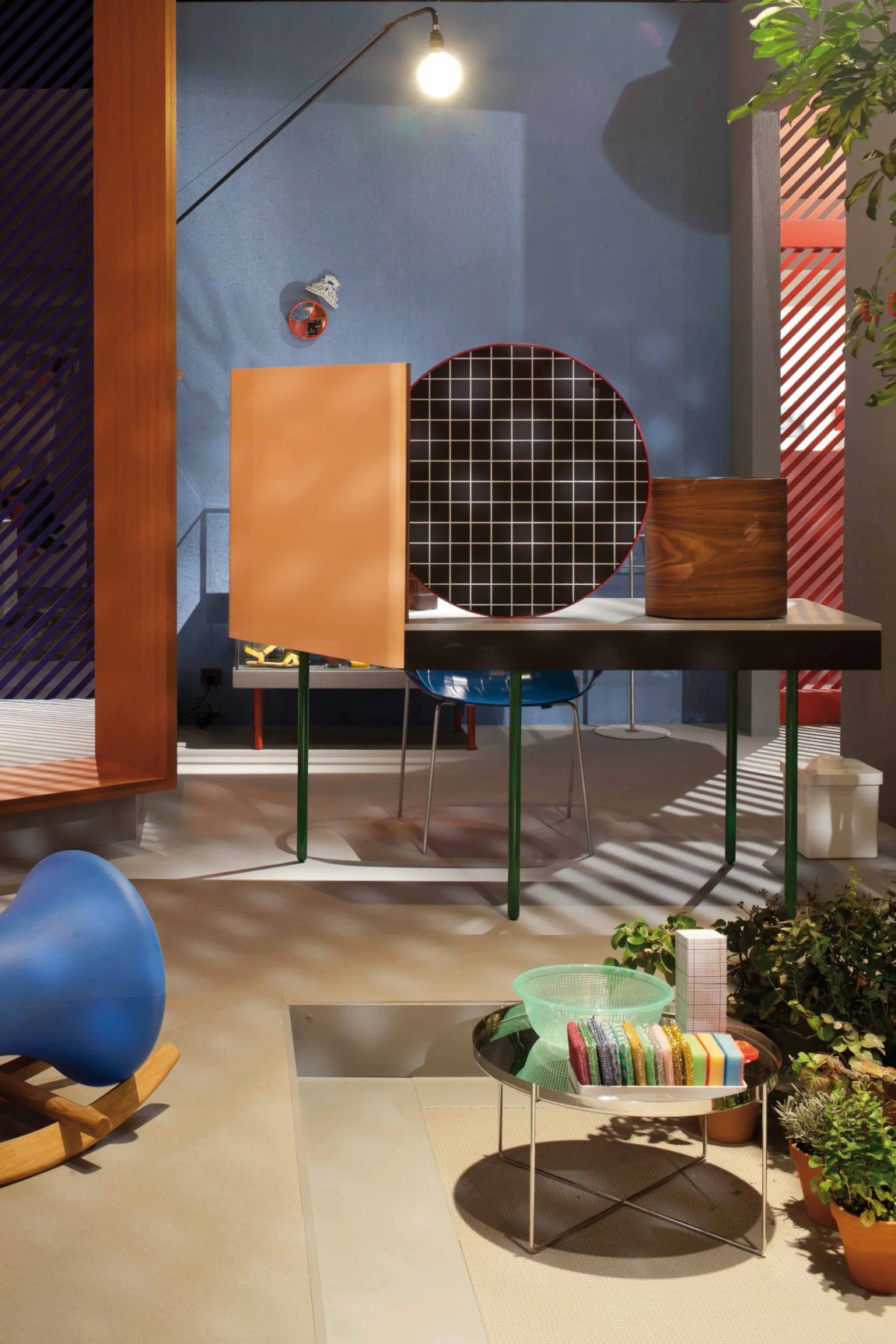
Chandlo dressing table
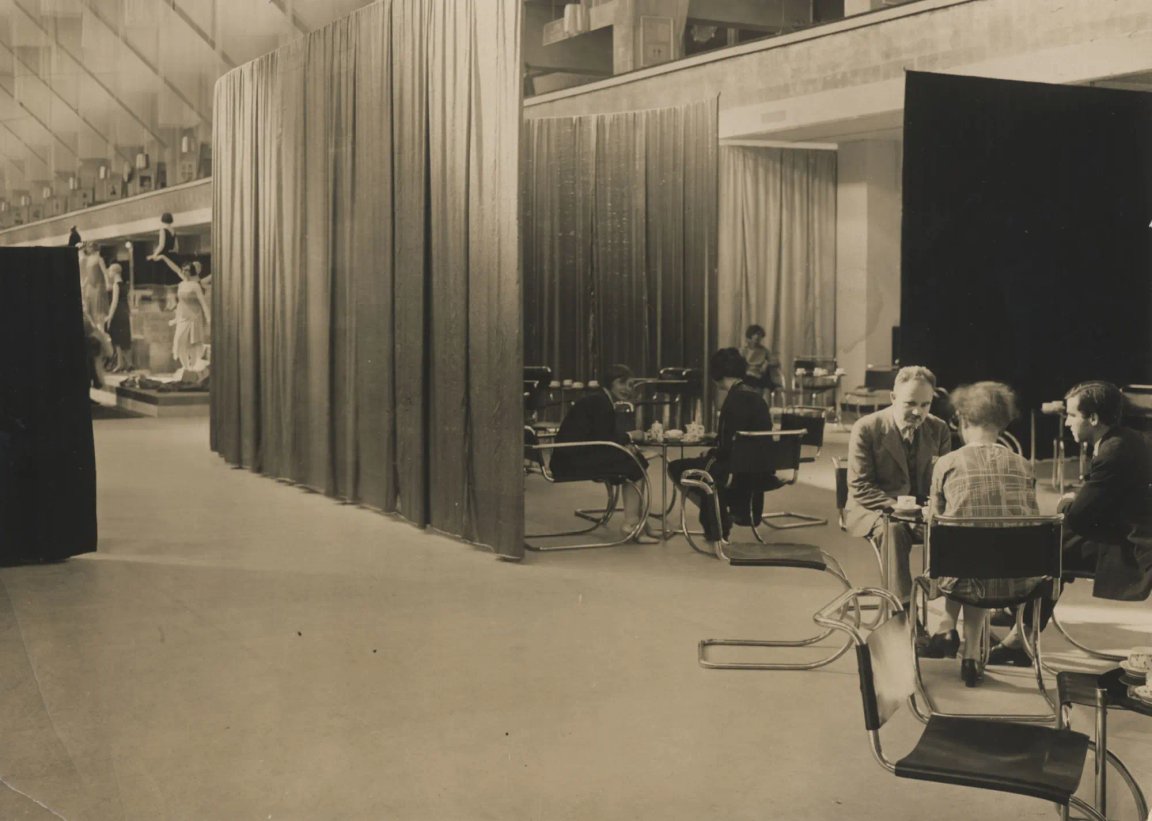
Velvet and Silk Café
Let’s move to Armada, the sculptural seating collection you designed for Moroso in 2016. These pieces seem less like chairs and more like spatial gestures, shaping the space around the body as much as supporting it. How did you imagine their relationship to body and space?
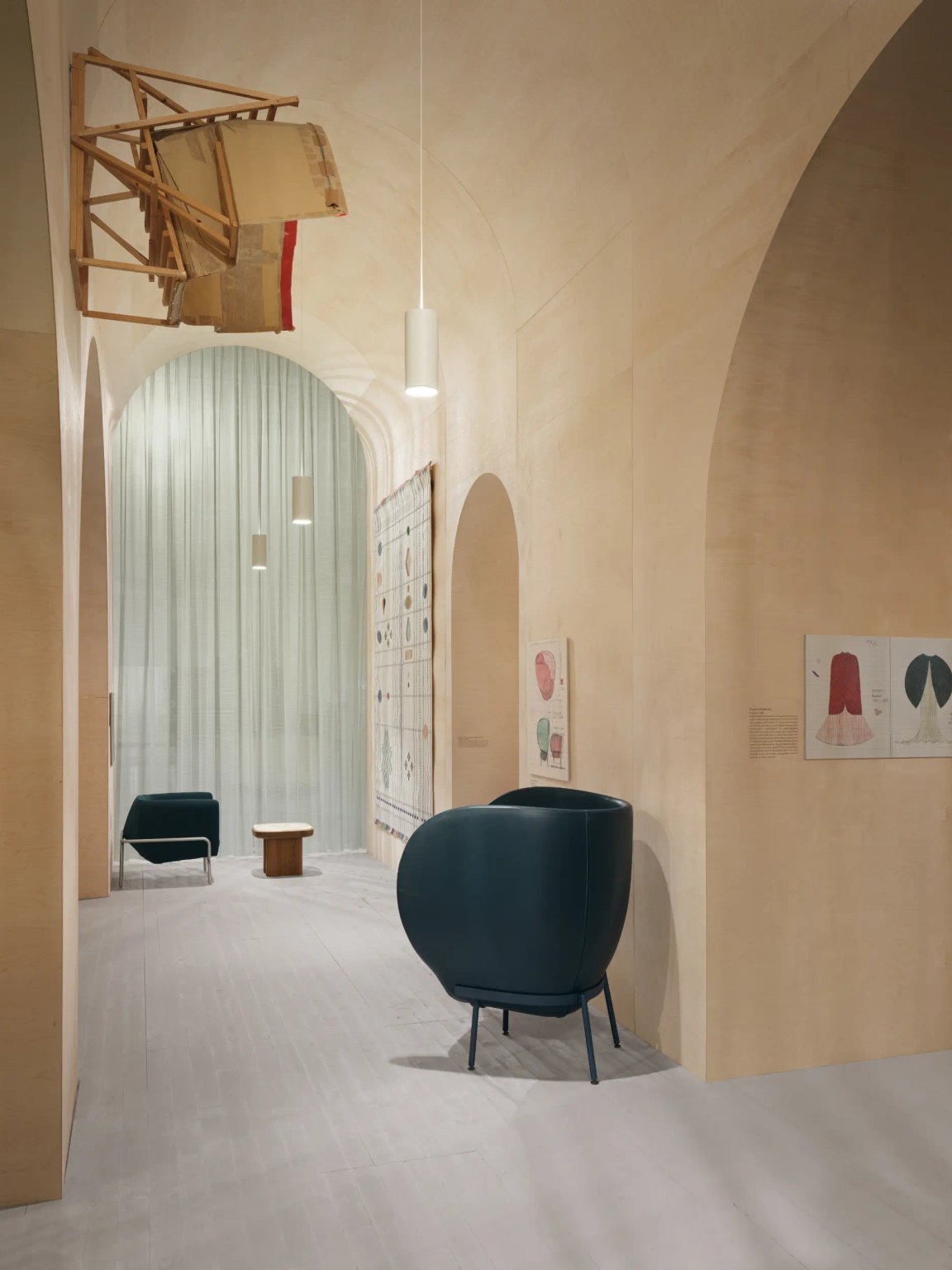
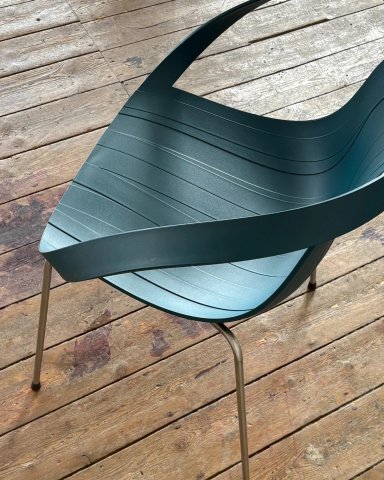
For us, Armada is about creating islands within open landscapes. The high backs and sweeping sides are like sails filled with wind. They suggest lightness, but they also provide shelter. The volume opens generously to the sitter, offering comfort and seclusion. When you sit, you feel both protected and connected. Each piece defines a micro-space — a retreat for work or contemplation within the flow of a larger environment.
Walter Gropius often returned to the relationship between private and public, inside and outside4. Almora, the lounge chair you designed for B&B Italia in 2014, seems to embody that same concern. It's a chair that offers retreat while keeping you open to your surroundings, a space that is both inward and outward at once.
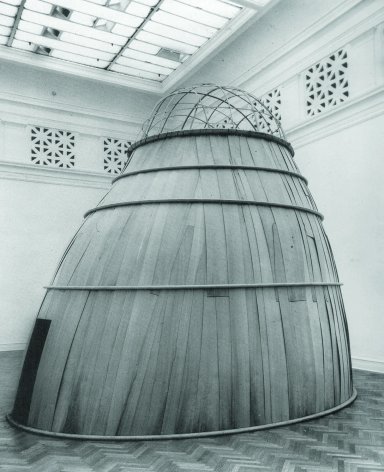
With Almora, we wanted to capture a duality: the feeling of being protected yet still engaged with the world around you. The deconstructed cones create layers of enclosure, but they also frame space beyond the sitter, keeping the chair engaged with its environment5. You can turn inward, to read or rest, or outward, to share a view or conversation. It is not simply a seat, but a spatial experience.
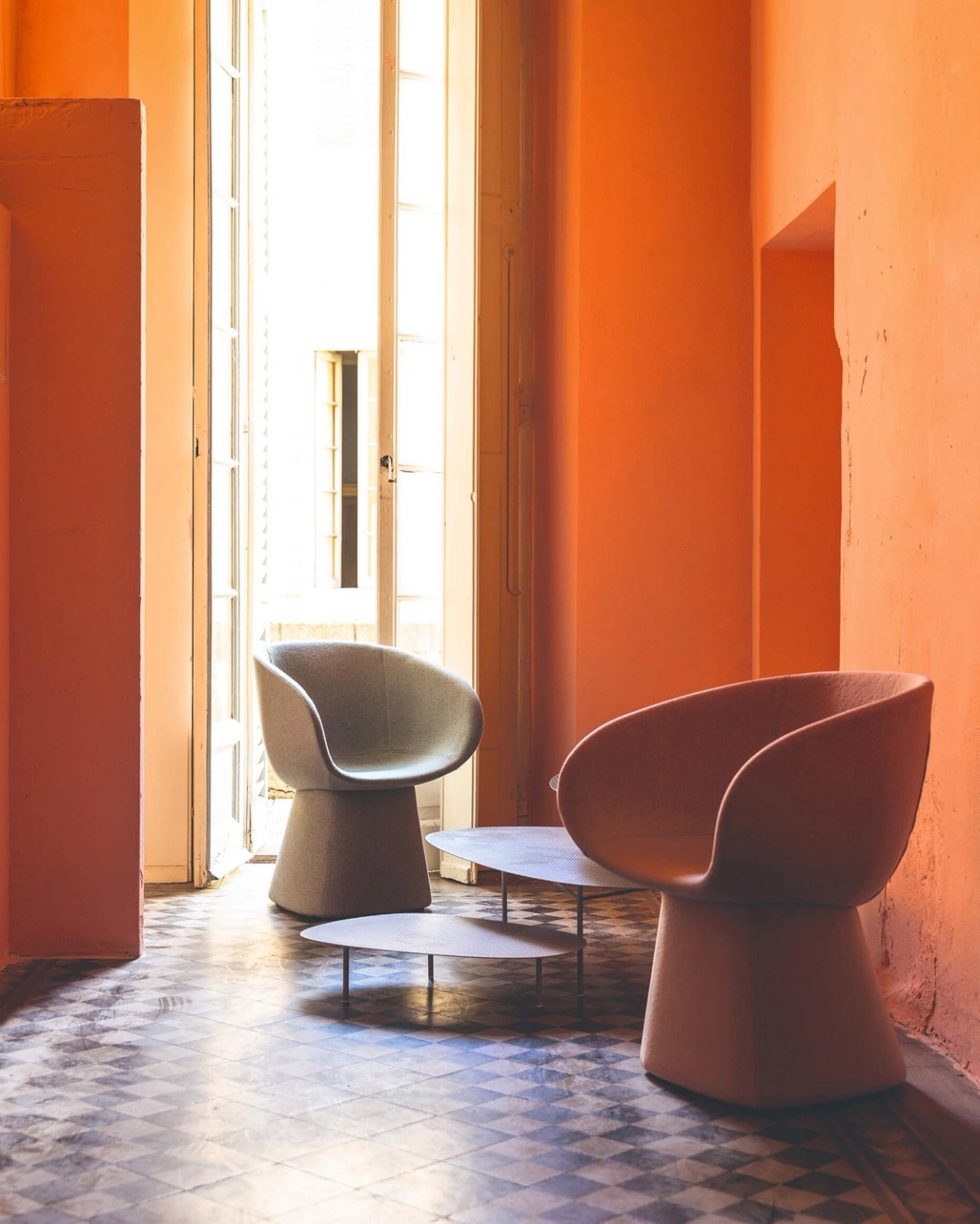
Armada Armchairs in an Italian Palazzo
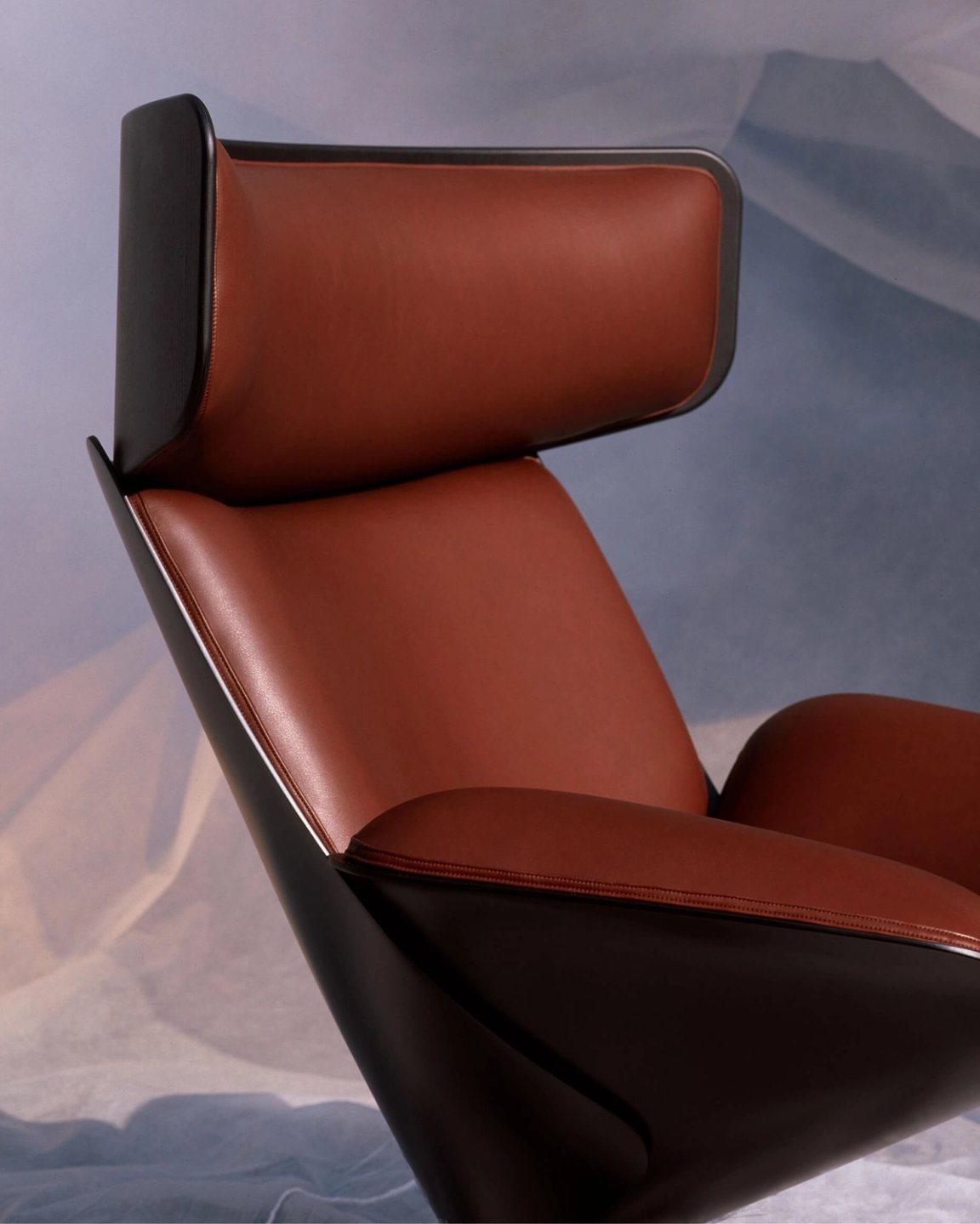
Almora Armchair
Breuer and Reich saw furniture as being modernist architecture in a reduced scale. Your work seems to extend that idea, giving objects the power not just to scale down architecture, but to create atmospheres and even worlds. How do you understand the theme Object as Space across these projects?
Each of these objects carries a story through its design, materials and use. Chandlo reflects the daily ritual of dressing and grooming, elevated into something architectural. Armada explores seclusion within openness, creating a place to pause within a larger space. Almora balances retreat and engagement, showing how we inhabit thresholds between private and social. For us, furniture is never separate from architecture – it has the power to define the spaces we live in.