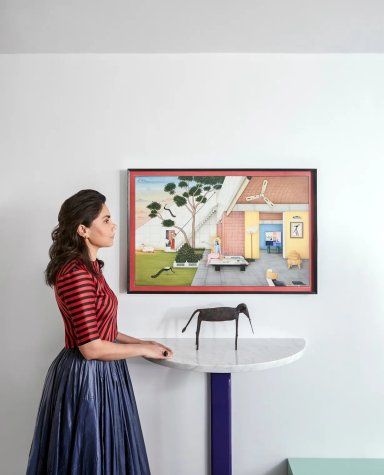
Perfect Marriage
.webp?w=1152&q=85&fit=max&auto=format)
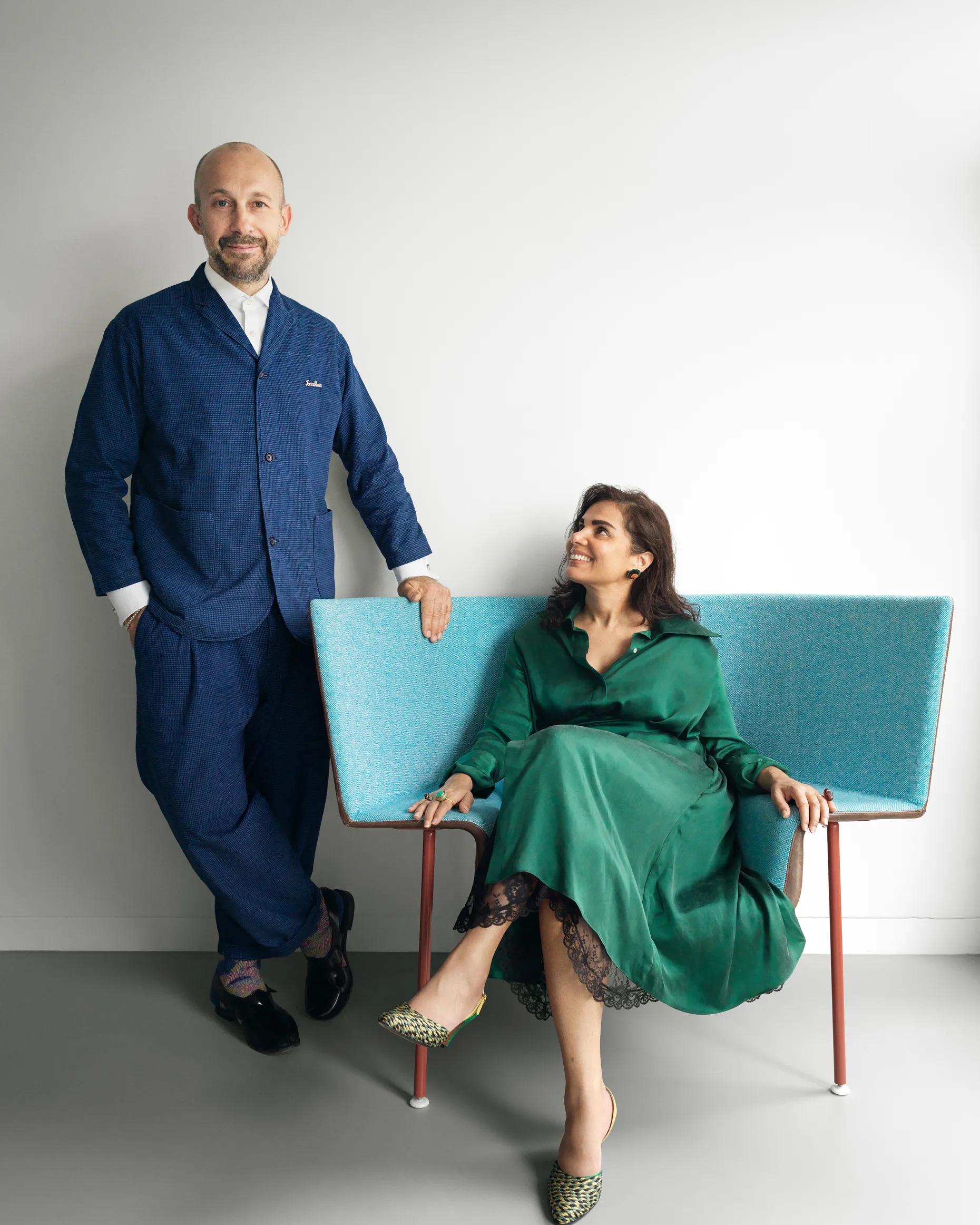
Nipa Doshi and Jonathan Levien
Nipa Doshi and Jonathan Levien bring myriad influences to bear in their work, combining sculptural forms, colour, tactility and warmth with geometry, precision and technology to produce “design that communicates”.
On a bracing blue-skied early January day, sun streams through the generous expanse of windows stretching the length of British designers Doshi Levien’s studio. It’s on the first floor of a converted 19th-century furniture factory above Brawn, a hip and delicious neighbourhood restaurant on Columbia Road (famous for its vibrant Sunday flower market) in London’s East End.
The soft northern light brings with it a sense of serenity and calm as it bounces off mock-ups of the couple’s sculptural Earth to Sky lights, fashioned from copper tube, perforated paper, aluminium wire and corrugated cardboard; cardboard models of the Impossible Wood chair slung high on the wall; and displays of miniature maquettes and archive production samples dotted along shelves and across benchtops. All serve as perfect reminders of the magical thinking that makes Nipa Doshi and Jonathan Levien, partners in both life and work, so sought after on today’s international design scene.
Marrying sculptural sensuality and fine craftsmanship with the clean, disciplined lines of industrial design and cutting edge technology, Doshi and Levien draw on myriad influences in their work: a spirited colour palette, rich materiality, a plurality of cultures (including Doshi’s Indian roots and Levien’s childhood spent in Scotland), along with a desire to team tactility and warmth with geometry and precision. There is a sense of the past, present and future in everything they do.
“We’ve always tried to instil a sense of the maker’s hand into the products we design,” explains Levien, who first trained as a fine cabinet maker before gaining a BA in design, then a master’s degree in furniture design at the Royal College of Art. There he met Mumbai-born Doshi, a graduate of the National Institute of Design in Ahmedabad. In 2000 they quit their jobs – Levien with the renowned British designer Ross Lovegrove and Doshi with David Chipperfield Architects – tied the knot and founded Doshi Levien out of the living room of their apartment in Golders Green.
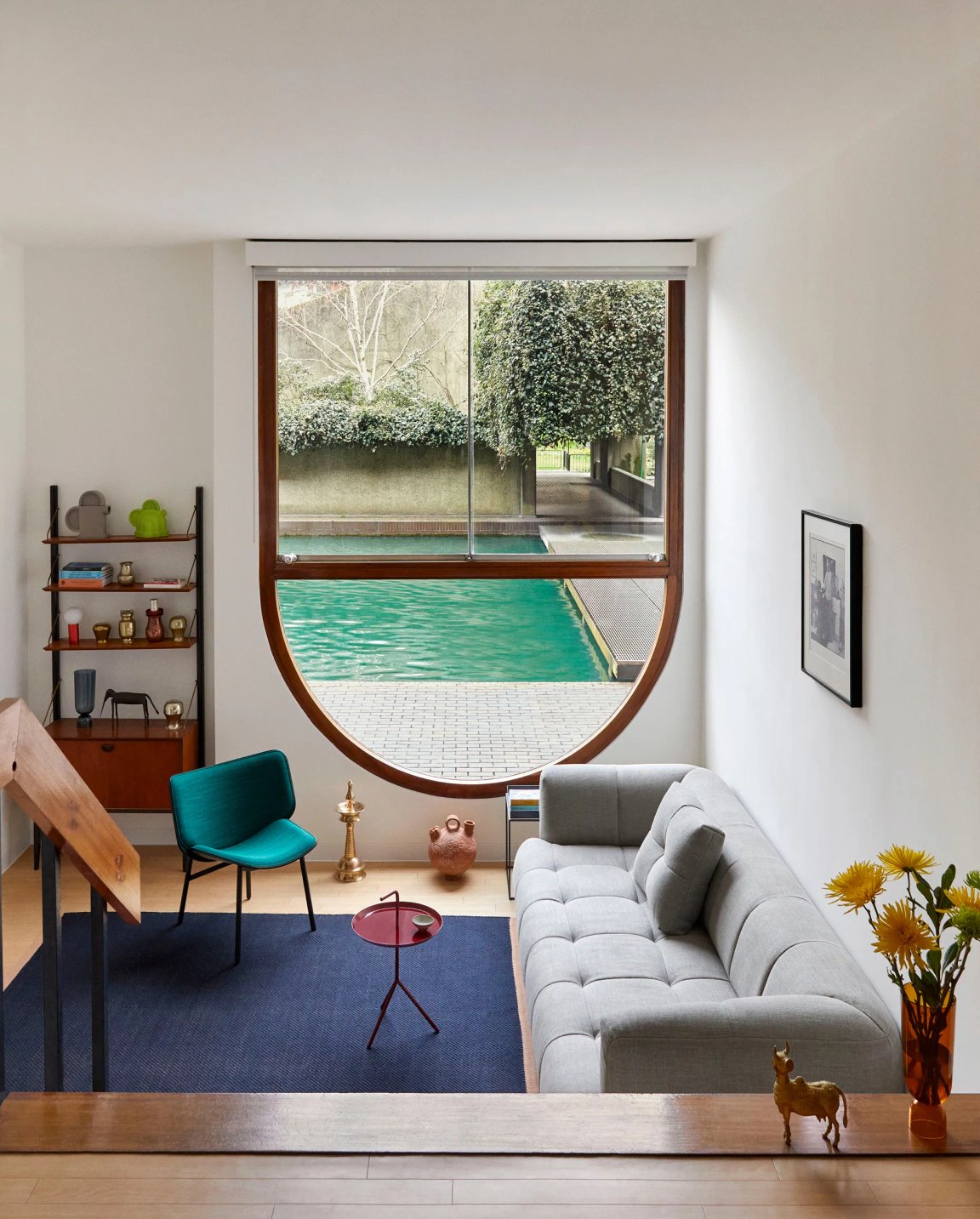
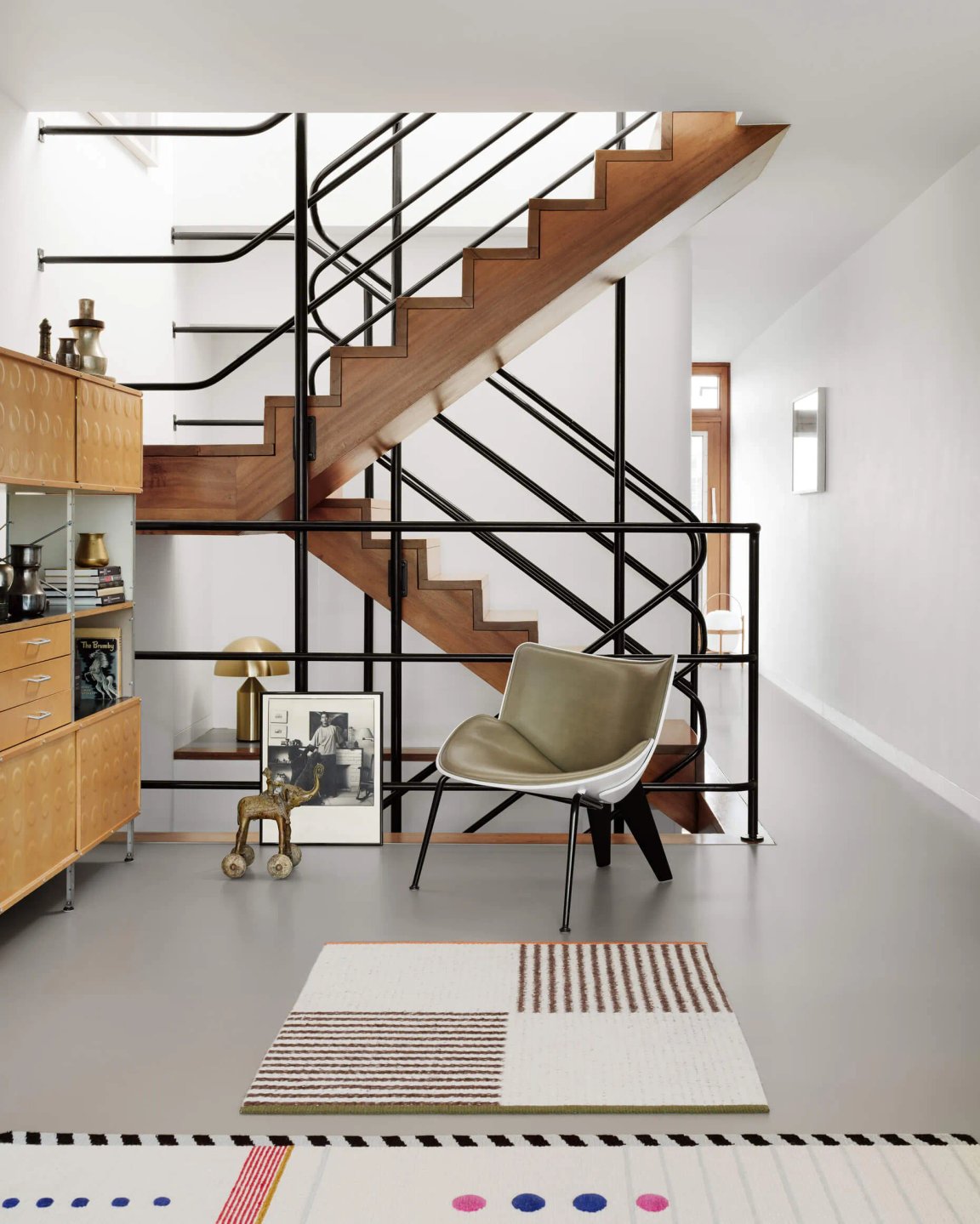
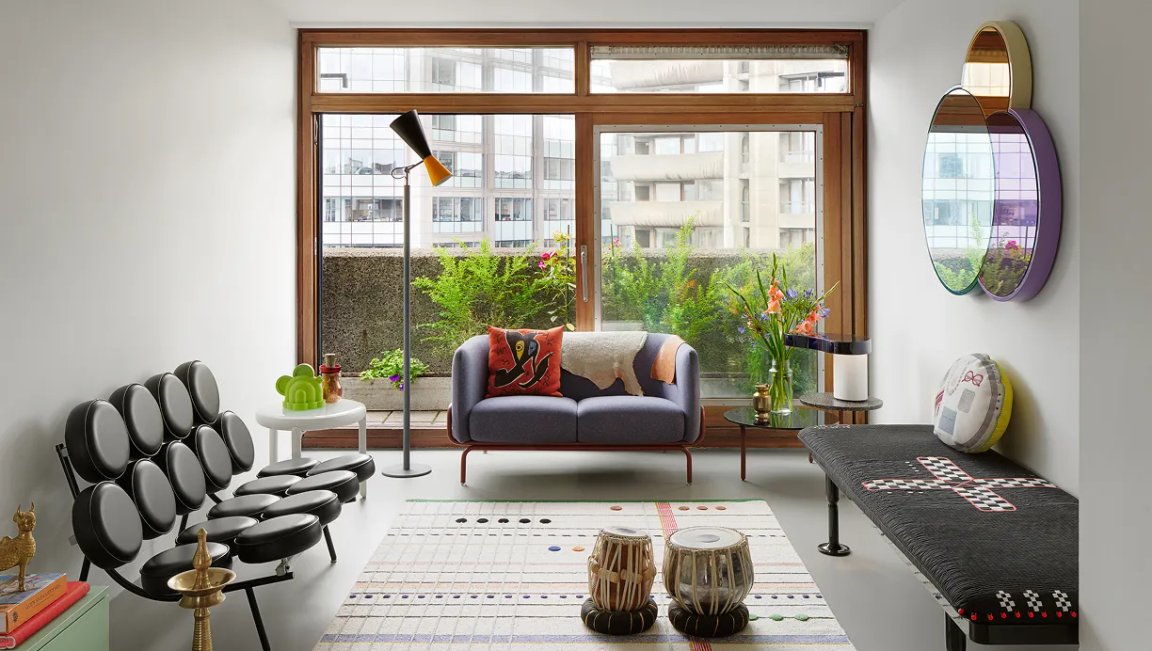
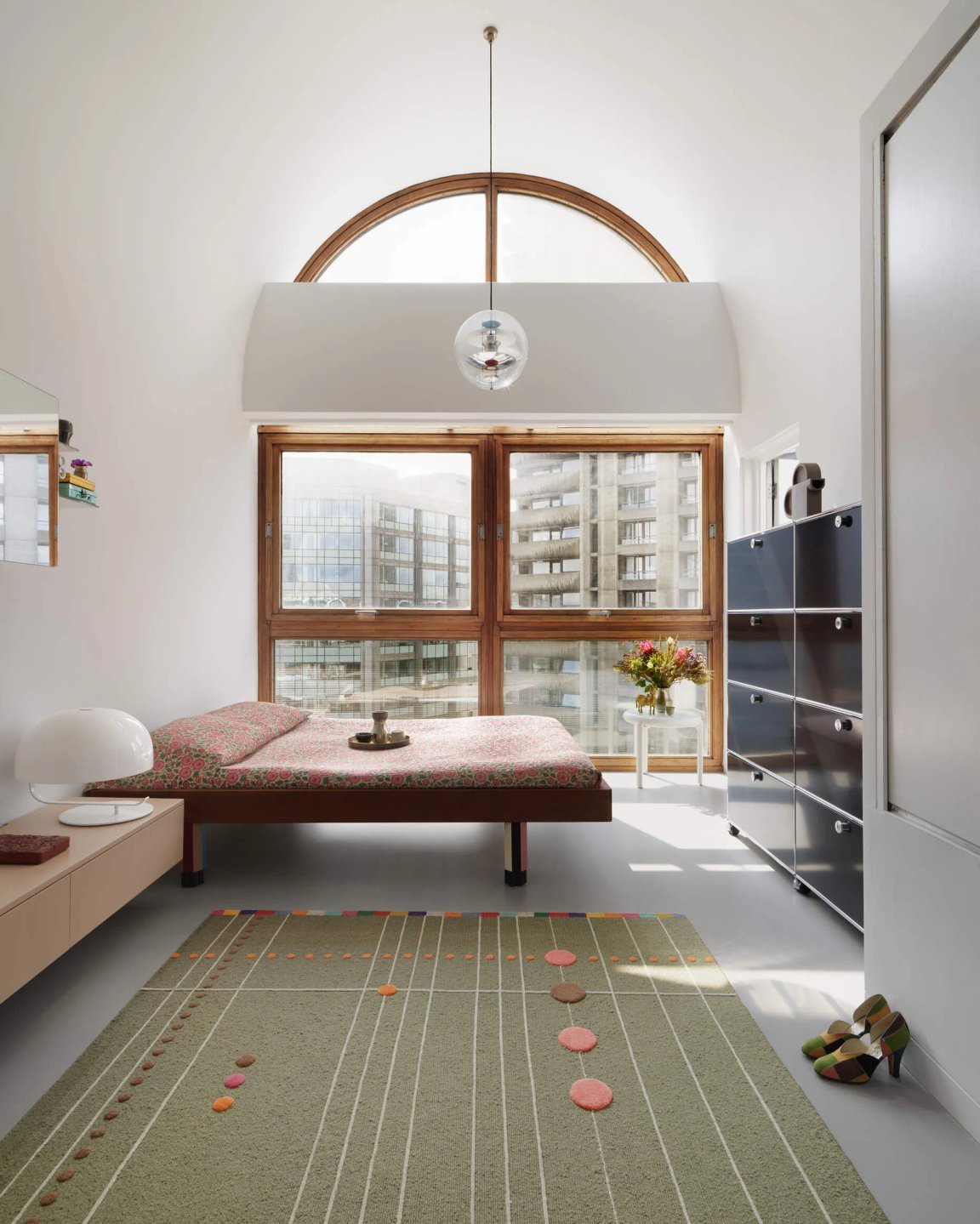
Nipa Doshi and Jonathan Levien's Barbican home
Their raison d’être crystallised when they realised “our different perspectives and points of view could create a really interesting mix in our work,” says Levien. His interest in design was fostered by his parents, who ran a business curing sheepskin rugs and selling mail-order toy kits using the offcuts, as well as insights from his uncle Robin Levien, the award-winning ceramics-trained product designer whose clients include Ideal Standard and Villeroy & Boch.
With Doshi’s particular eye for colour and texture and Levien’s love for making and materials, “the refinement with which we bring those elements together, juxtaposing geometry and fact with intuition and feeling, at a very high level defines our work,” Levien says. There is also Doshi’s constant pursuit of beauty. “I know beauty is a bad word in design, but for me it refers to the energy of an object and the quality that comes from something that has been made beautifully or shows human endeavour,” she says. With their design ethos led by “how beautifully we can make something so that in some ways it transcends function,” Doshi adds, “I believe we have a deep relationship to our material environment that is not about need. It’s something more visceral.”
It is this philosophical, detailed but also joyful approach to design – weaving its way through projects as diverse as chairs, tables and shoes to cosmetics, eyewear and cookware that has drawn major brands such as B&B Italia, Moroso, Kettal, Kvadrat and Hay into the pair’s orbit.
Their first commission in the early noughties came from Tom Dixon, then creative director of Habitat, to design a set of cutlery, followed by glassware, for the British retailer. “There was so much we wanted to give to that material in terms of design and form to make it palatable in the mouth and good to use,” Levien cites as an example of how they reimagined the everyday knife and fork. “It had to be sensual, it had to be soft, it had to feel nice to touch.”
Designing a chair is no different, looking not only at the actual physical form of it as a seat but also how “it frames you in a space”, explains Doshi. “What do you feel when you sit in a chair? Does it make you feel good about yourself? Do you feel big or feel small? The spatial aspect is of course very important and although furniture is not sculpture, it has those qualities, so to me furniture is like mini architecture,” she enthuses. Levien agrees. “Within an object, you’re capturing the spirit that was injected into it during the design process and making process, and that never leaves. I feel design communicates to us in that sense.”
The duo’s initial creative process is surprisingly analogue. While visiting their studio, Doshi pulls out piles of exercise books, impressively preserved in clear plastic sleeves, filled with immaculate, intricate drawings brought to life with a rainbow array of handpainted colour. “The reason I draw is because in my head it’s quicker than making the object, because projects take so long,” she laughs. “I just want to have it as it is in my book – sometimes design isn’t fast enough for me.”
By contrast, Levien “sketches through making”, he says. “I find it much easier to pick up a material and have an idea by making something, whether it’s a paper model or a wire frame. Surprising things happen when I engage with materials that I would never think about if I was just to sit with a sketchbook and draw. That’s how I differ from Nipa, because her exercise books are whole universes of visual cues and influences.”
For Doshi, plurality also plays a key role in her thought process, which was especially influenced by childhood visits to Le Corbusier’s 1950s Villa Sarabhai (designed for Manorama Sarabhai, the sister of Indian industrialist Chinubhai Chimanlal into whose family Doshi’s aunt had married). “Going to the house was lovely because you saw all kinds of traditional Indian objects and antiques alongside a painting by Lichtenstein and murals by Le Corbusier,” Doshi recalls. “It was a real mix of cultures, objects and time periods. It was my idea of heaven in the way that this is what I thought a city, architecture or design should be. Like a melting pot of ideas.”
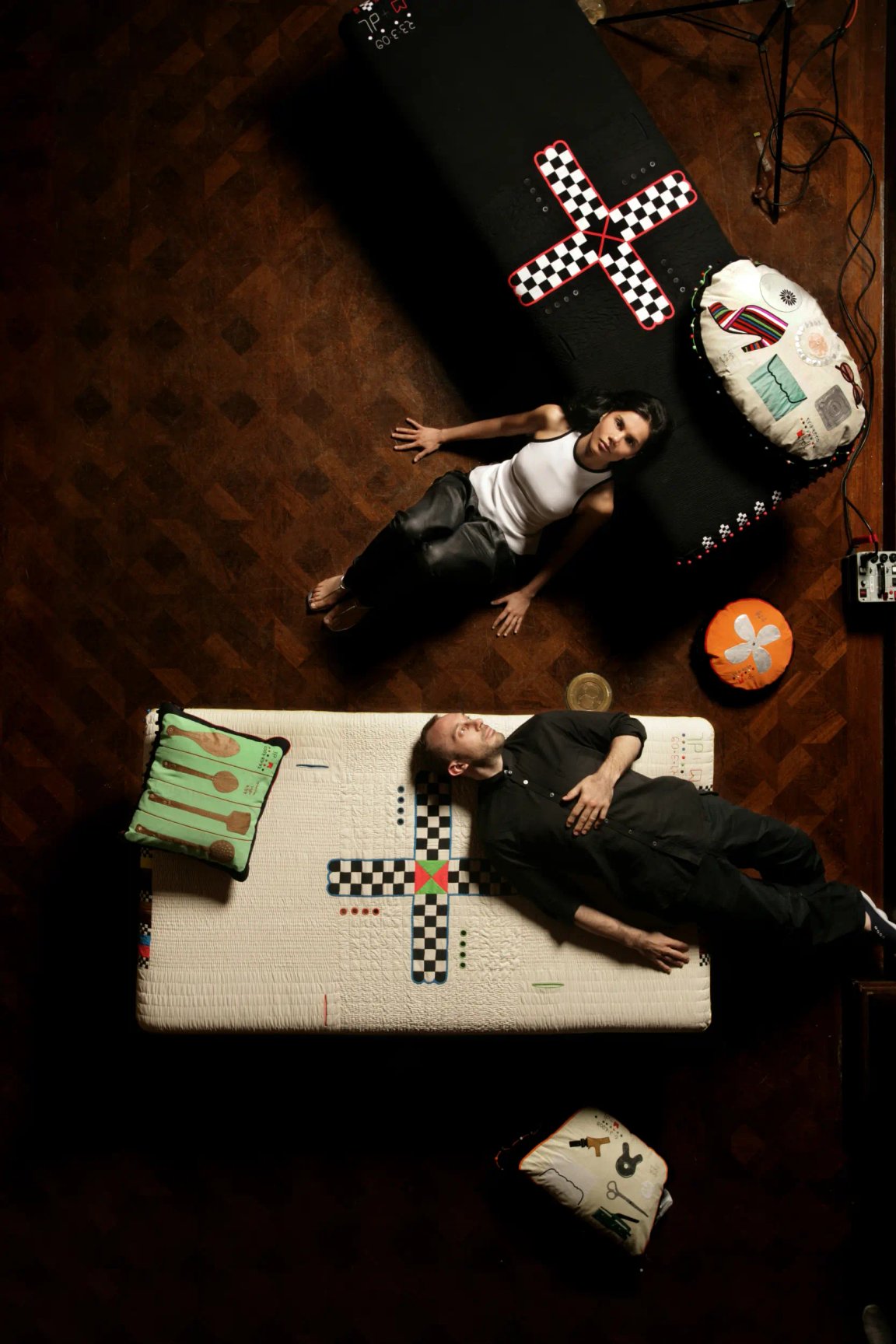
Charpoy for Moroso
This is much evidenced in the pair’s relationship with Moroso. For Charpoy, they evolved the mattress hand-embroidered with Chaupar board markings (an ancient Indian dice game) they’d first created for their My World installation, commissioned by the British Council in 2005, to develop a range of four decorative daybeds launched two years later. “Patrizia [Moroso, the company’s creative director] was the one person in Italy we felt would understand our approach, who would be open to it,” Doshi once told Dezeen about the beginnings of their collaboration. “She’s very interested in mixing things together, making connections where traditional manufacturers in Italy would not even dare go.”
Other intriguing pieces for Moroso have included My Beautiful Backside, where the backrest made up of differently sized cushions presented another way of considering the shape and style of a sofa; the curvaceous arms of the Impossible Wood stacking chair cleverly imitate the look and silhouette of steam-bent timber; and the outsized origami feel of Doshi Levien’s “Paper Planes1” settee and armchair was inspired by the idea of folding and modelling graph paper.
It is in fact a firm favourite of Salvatore Fazzari, founding director of Mobilia, the contemporary furniture retailer based in Perth, whom the designers first met in 2015 at Milan’s Salone del Mobile furniture fair. He invited the pair to visit Perth as part of Mobilia’s inaugural Design Circus initiative created to entice internationally renowned designers (such as Michael Anastassiades, Pepe Garcia and Jaime Hayón) to Perth to talk to the local design community while raising a considerable amount of money for charity.
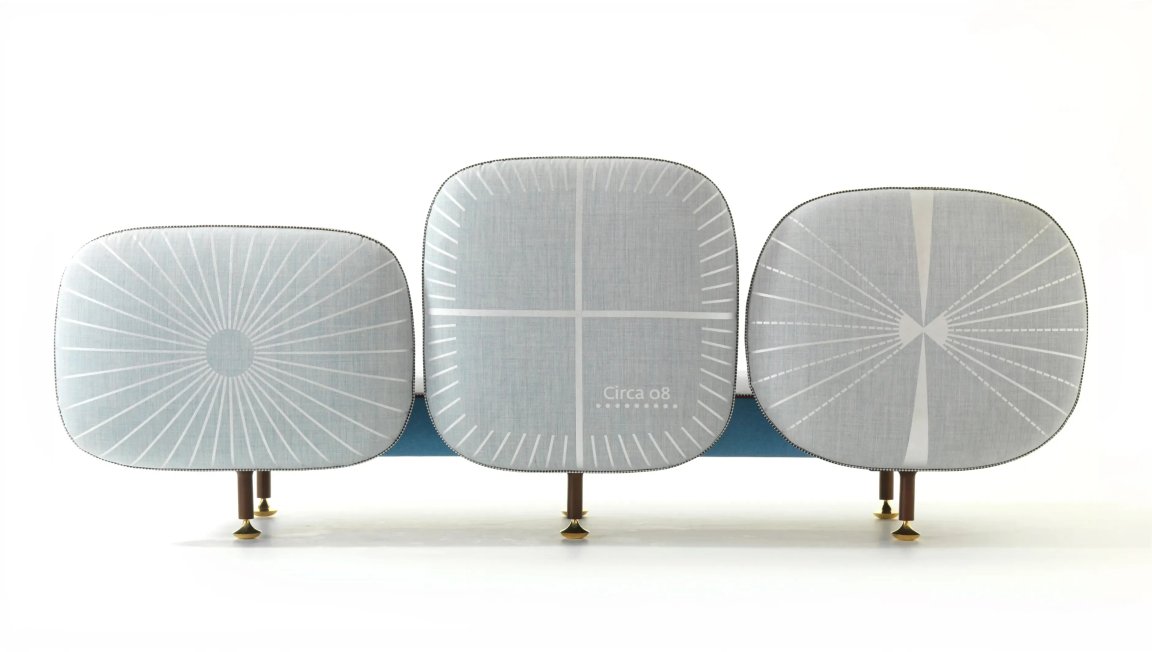
Beautiful Backside for Moroso
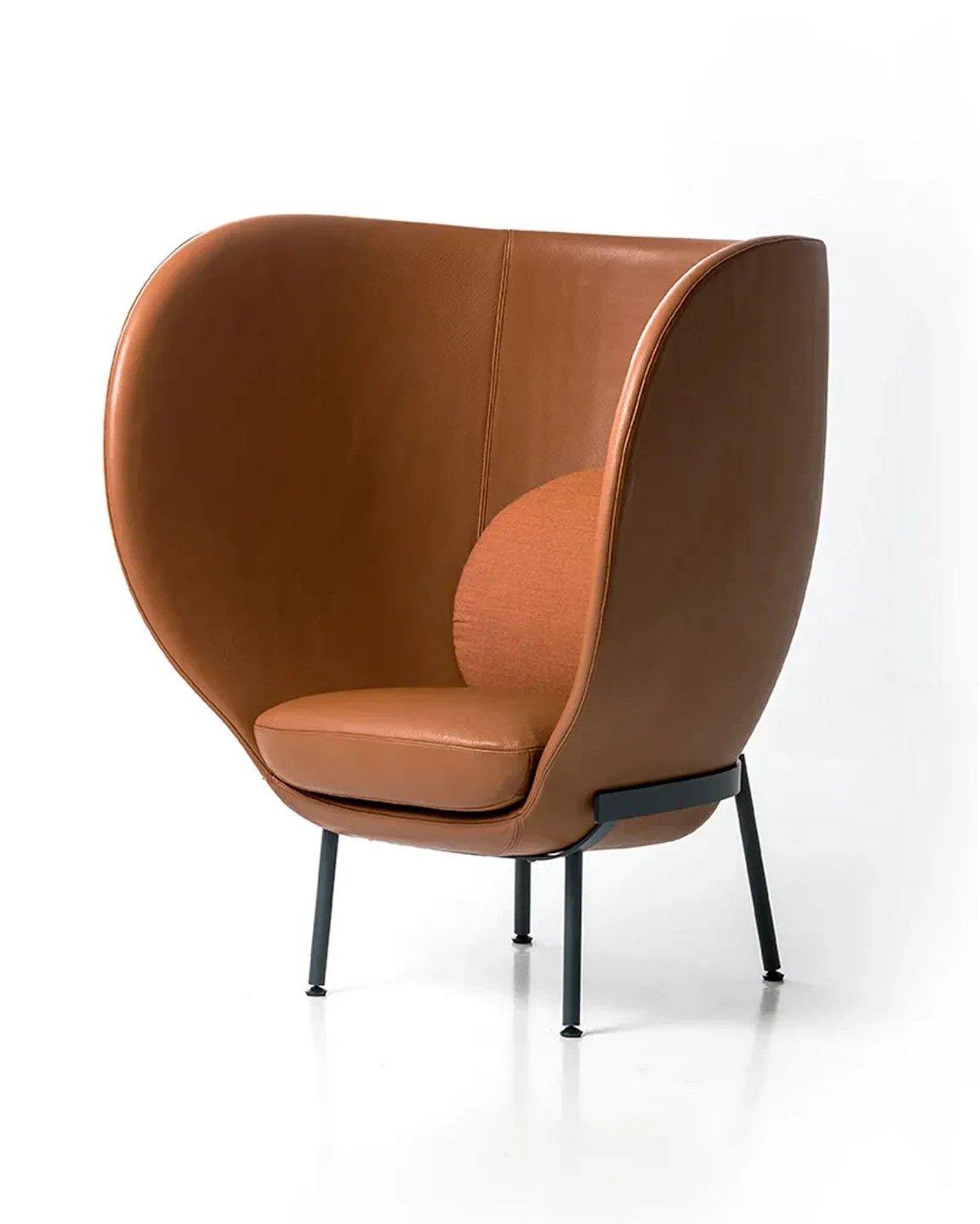
Armada for Moroso
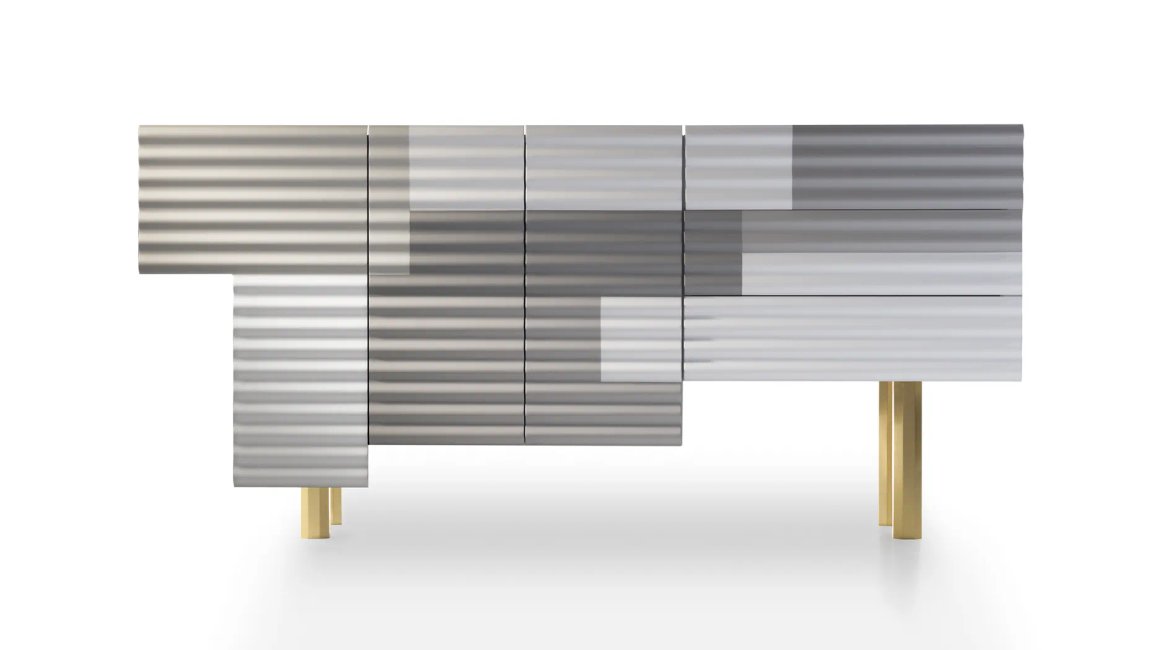
Shanty for BD Barcelona
Hundreds of people turned up to hear Doshi and Levien talk candidly about the stories behind their designs, including the cosseting Armada chair for Moroso, the Shanty sideboard, inspired by a patchwork of corrugated steel sheets, designed for BD Barcelona, and the lively folkloric Rabari rugs made by Nanimarquina, which Mobilia sells.
“Nipa and Jonathan’s work is super considered and extremely beautiful. Their pieces are going to become design classics of the future,” Fazzari asserts.
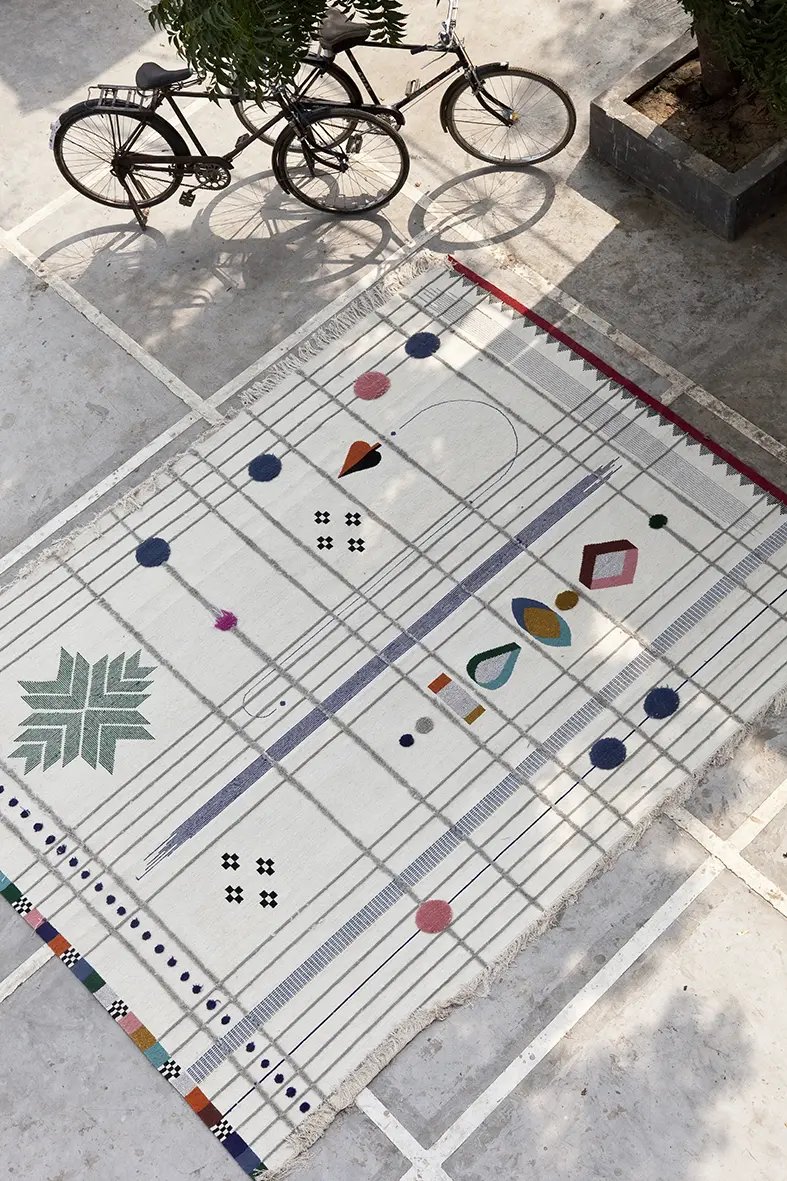
Rabari for Nani Marquina
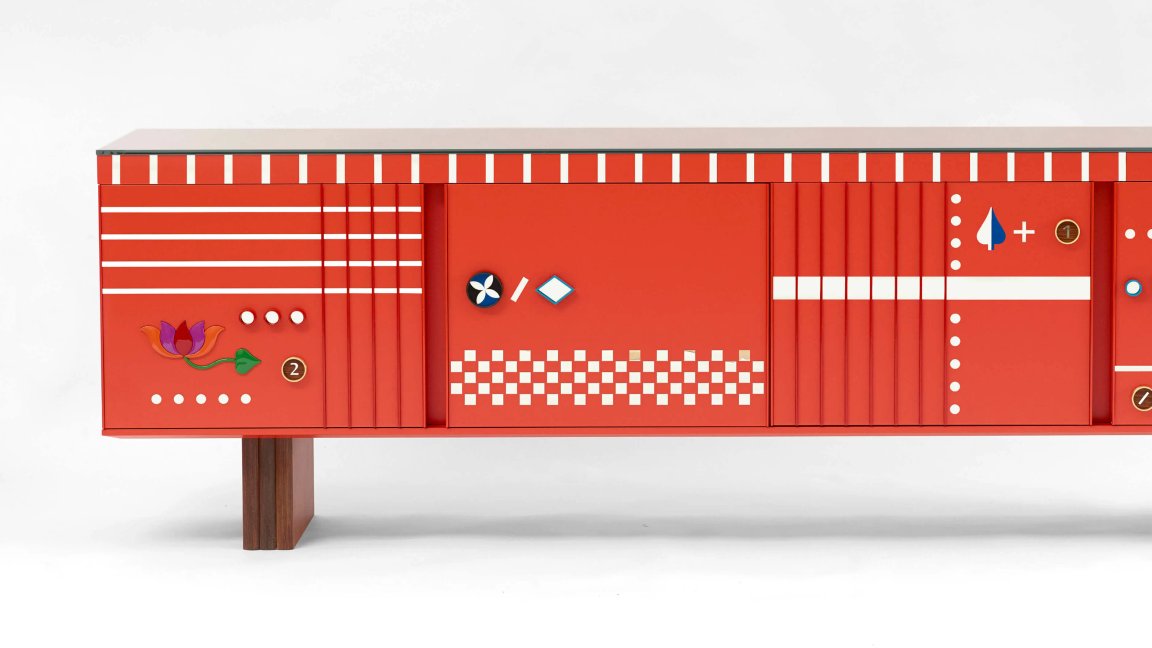
Later in the year, Fazzari will launch a limited edition mirror, sideboard and table – designed by Doshi Levien and made by his father Tony, a master craftsman, from hand-cut and crafted Australian hardwood veneers stained in vivid hues cabinet – that were dreamt up after the couple’s last trip to Perth in the summer of 2019. “We’re always trying to find opportunities that allow us to tap into a local culture and to create some kind of physical interpretation of that,” says Levien. “It’s just playing really, and having fun,” Doshi adds.
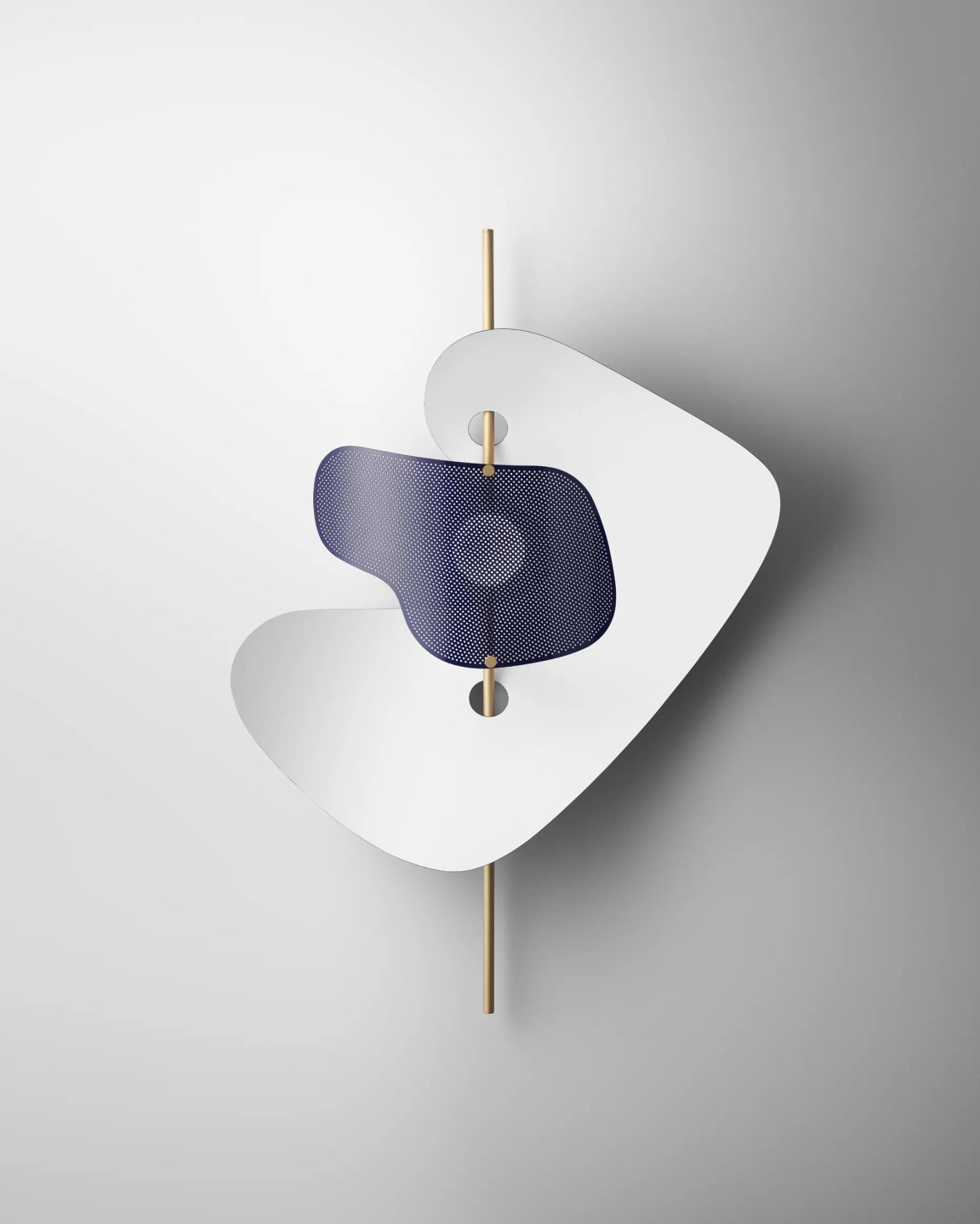
Doshi Levien's Earth to Sky Collection
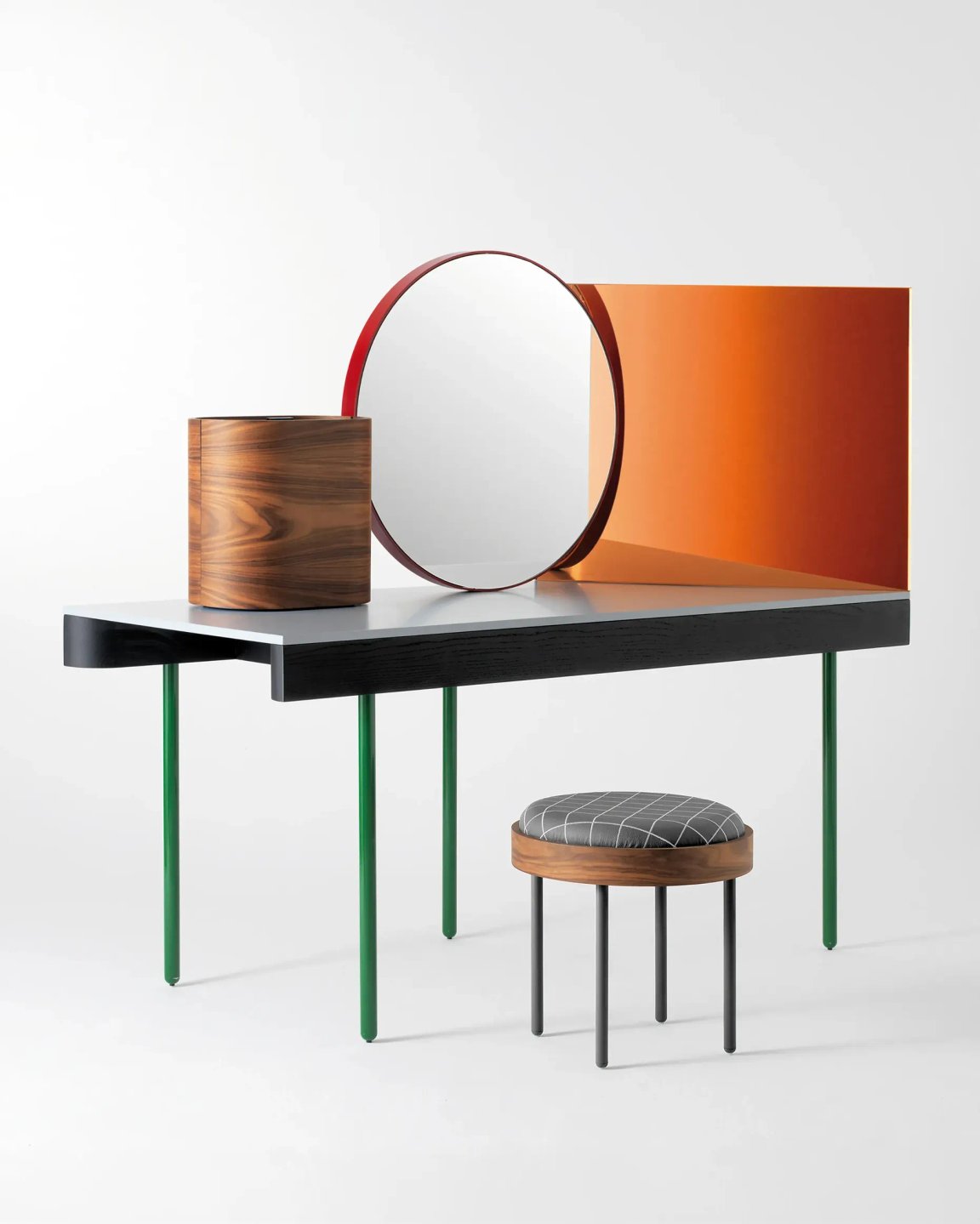
Chandlo for BD Barcelona
This idea of “bringing many worlds together”, says Doshi, is an integral signature of their work. Maya, an airy curtain fabric textile for Kvadrat, echoes “the transparency and lightness of the saris we wore in the summer in India”, she explains. For their self-produced Earth To Sky lighting collection, executed in an array of sinuous forms to feel like “precious creatures suspended in air”, they drew on materials such as punctured aluminium and brass and the techniques of seamless automotive engineering. At Barcelona-based outdoor furniture company Kettal, alongside Cala open-weave armchairs, stackable dining chairs and sofas, they play a pivotal role behind the scenes overseeing the colour and material palettes used across all the brand’s collections.
Sartorial influences resonate through last year’s hugely successful Quilton rounded and stitched modular sofa, Doshi Levien’s most recent design for Hay. “We wanted to create a sofa that felt soft, through the quilting, yet tailored and precise at the same time,” says Doshi. “I think of it like a beautiful coat that feels nice and comfortable to wear but looks smart too.”
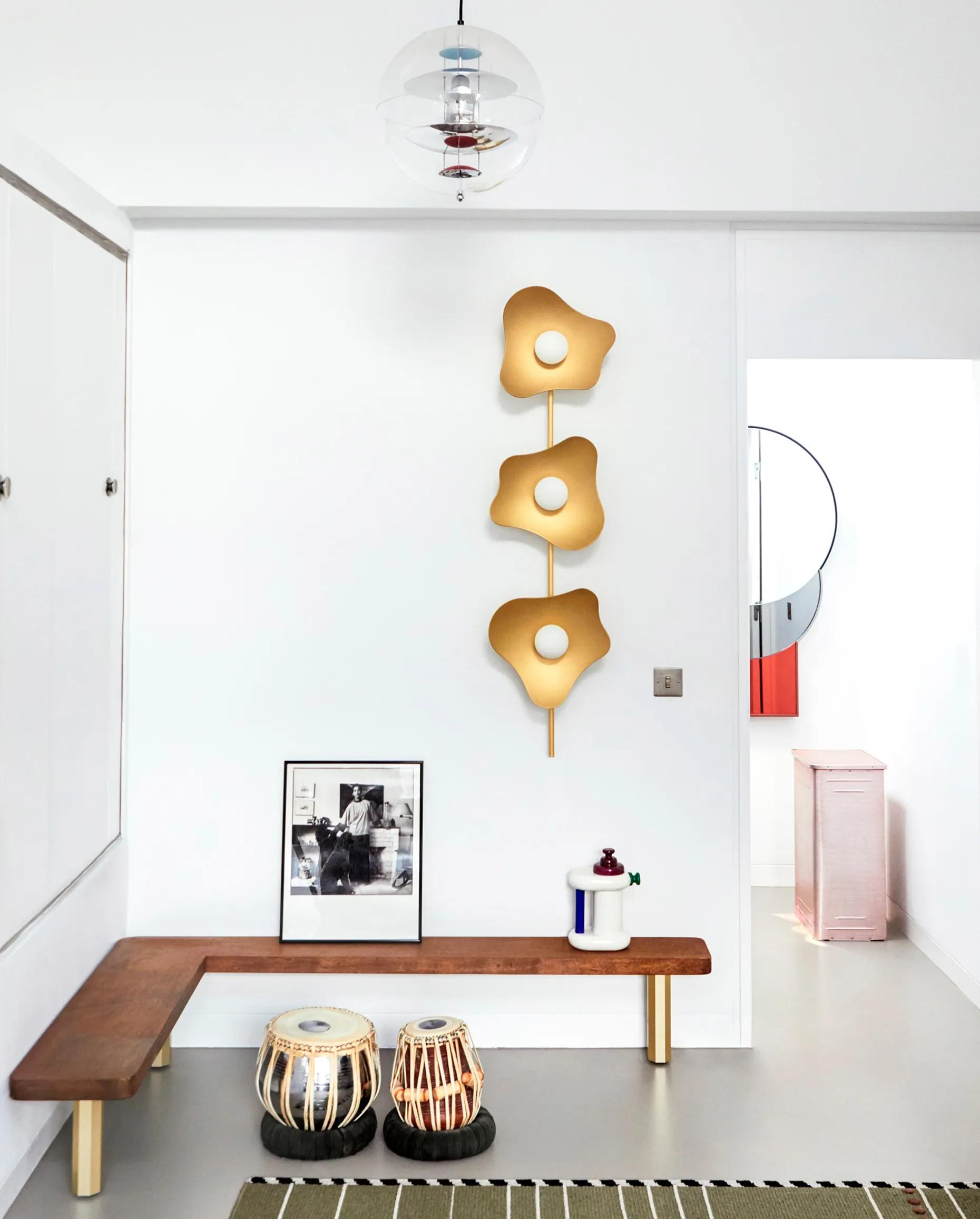
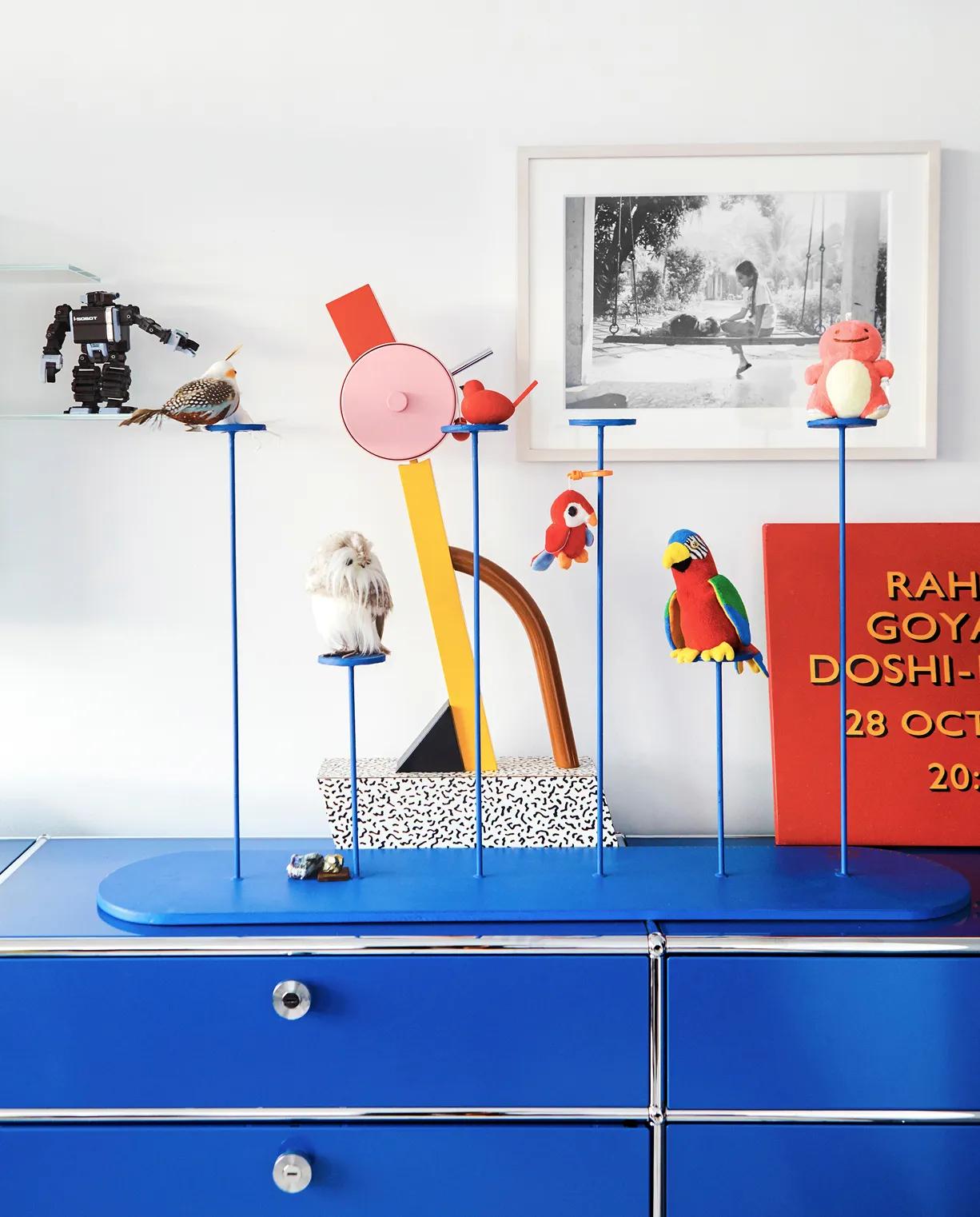
It was in fact the kind of sofa they would want – and in fact have – in their own home, a gloriously light-filled waterside apartment in London’s famed Brutalist-inspired Barbican Estate. Here they have mixed their own designs, including their moulded Do-Maru lounge chair for B&B Italia, Chandigarh sofa for Hay and limited edition Squarable Lune intersecting pastel-hued mirror, produced by Doshi Levien for Galerie Kreo, with classics such as Irving Harper’s Marshmallow sofa for Herman Miller and Marco Zanuso’s sixties Oluce 275 table lamp. “We always start with ‘am I going to love it?’ because if we don’t like it, chances are no one else will,” says Doshi.
Timeless but inventive, practical but playful, Doshi Levien’s pieces are “designed to last, they’re not things you’d throw away”, says Doshi. “And I hope that in the process of experiencing one of our pieces, they want to pass them on to their children, and their grandchildren after that.” Levien believes their designs “lift you up. Design can really affect the way you feel and behave, so on a spiritual level I would hope that there’s some of that happening when people try our things, and that they feel inspired.”
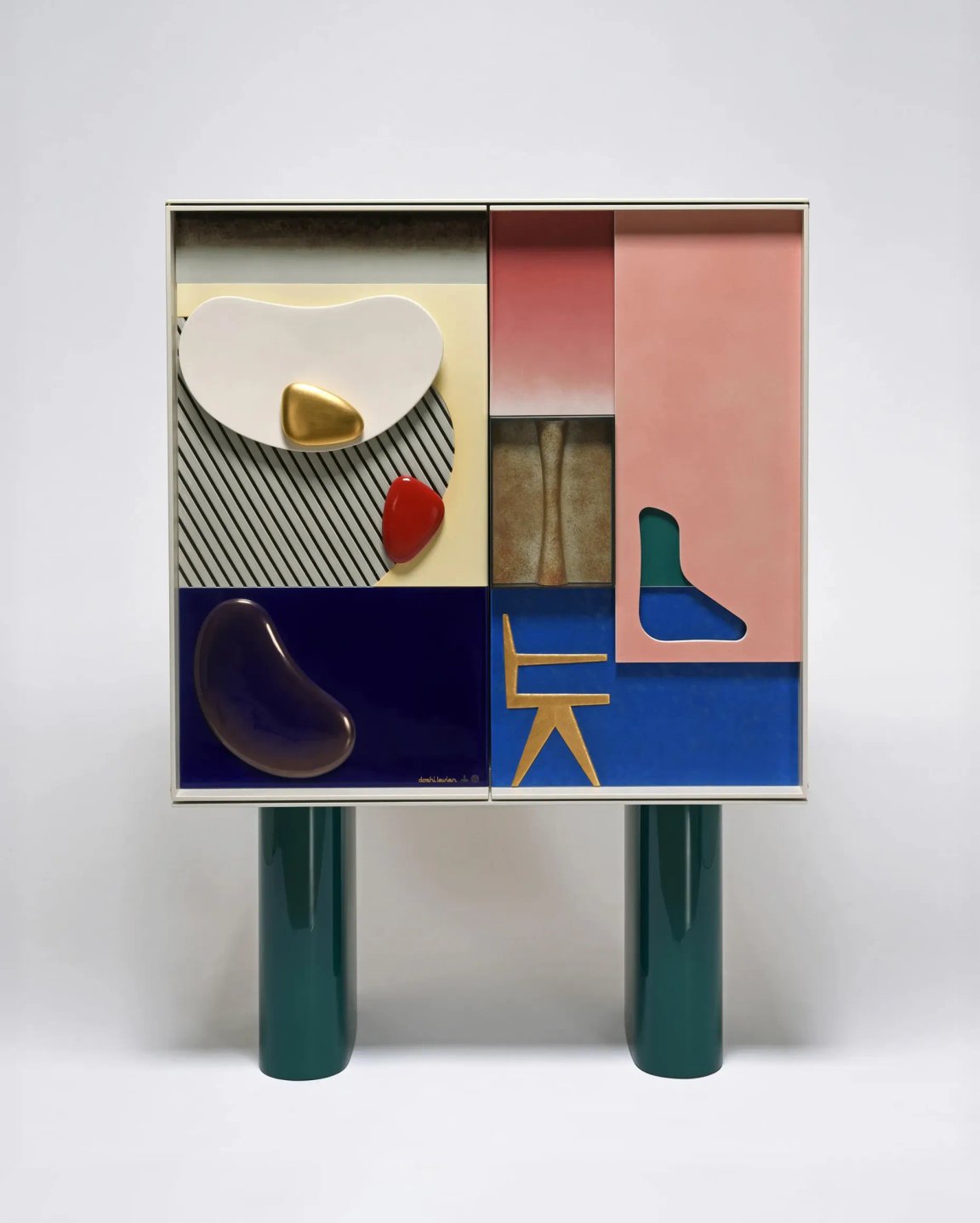
Le Cabinet for Mamufacture Nationale de Sèvres
.webp?w=384&q=85&fit=max&auto=format)
.webp?w=384&q=85&fit=max&auto=format)